Best natural ways to preserve garden herbs for winter?

Embrace the Flavors of Your Garden All Winter Long
As the gardening season winds down, the thought of losing your vibrant, aromatic herbs can be disheartening. Thankfully, nature offers several simple and effective ways to preserve these culinary treasures, allowing you to enjoy their fresh flavors and health benefits long after the first frost. From drying to freezing and infusing, these natural preservation methods are easy to implement and incredibly rewarding.
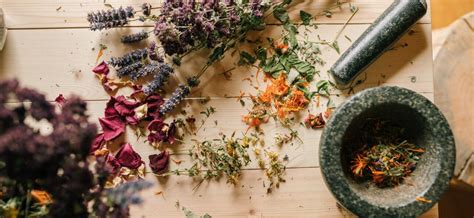
Drying: A Timeless Preservation Method
Drying is perhaps the oldest and most straightforward method for preserving herbs, concentrating their flavors and extending their shelf life. It works wonderfully for herbs with lower moisture content and robust flavors, such as rosemary, thyme, oregano, marjoram, and bay leaves.
Air Drying
For air drying, harvest herbs in the morning after the dew has evaporated but before the sun is too strong. Gently rinse them and pat dry. Tie small bunches (about 4-6 stems) with string and hang them upside down in a warm, dry, well-ventilated area away from direct sunlight. An attic, pantry, or even a kitchen corner can work. Ensure good air circulation to prevent mold. They are fully dry when the leaves are crumbly to the touch, usually within one to three weeks.
Dehydrator or Oven Drying
If you’re short on space or time, a food dehydrator offers a controlled environment for drying. Spread herbs in a single layer on trays and follow the manufacturer’s instructions, typically at a low temperature (95-115°F / 35-46°C). An oven can also be used on its lowest setting, leaving the door ajar to allow moisture to escape. Monitor closely to prevent burning.

Freezing: Capturing Freshness
Freezing is an excellent way to preserve the bright, fresh flavors of more delicate herbs like basil, parsley, cilantro, mint, and chives, which often lose their potency when dried. There are a couple of popular techniques:
Whole Leaves or Chopped
For larger-leafed herbs like basil or mint, you can blanch them briefly (10-15 seconds) in boiling water, then immediately plunge into ice water to stop cooking. Pat them thoroughly dry, then lay them in a single layer on a baking sheet and freeze until solid. Once frozen, transfer to freezer bags or airtight containers. For chives, parsley, and cilantro, simply chop and freeze directly in freezer bags.
Ice Cube Tray Method
This method is fantastic for portion control and convenience. Finely chop your herbs and pack them into ice cube trays. Cover with a small amount of water, olive oil, or broth. Freeze until solid, then pop out the herb cubes and store them in freezer bags. When cooking, simply drop a cube into soups, stews, or sauces for an instant burst of fresh flavor.
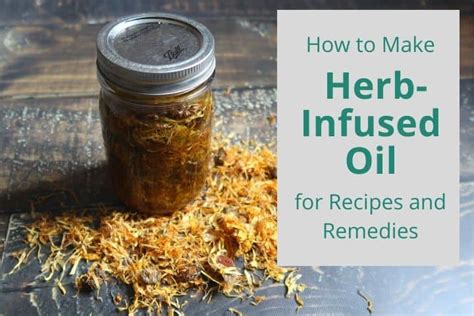
Infusing: Oils, Vinegars, and Pestos
Infusion offers another delicious way to preserve herbs, creating flavorful oils, vinegars, and ready-to-use sauces.
Herb-Infused Oils
To make herb-infused oil, gently bruise fresh, completely dry herbs (such as rosemary, thyme, or oregano) and place them in a clean, sterilized jar. Cover with a good quality olive oil, ensuring herbs are fully submerged. Seal and store in a cool, dark place for 1-2 weeks, shaking daily. Strain out the herbs before using. A critical caution: Fresh herbs in oil, especially garlic, can create an anaerobic environment conducive to botulism. For safety, either store infused oils in the refrigerator and use within a week, or dry herbs completely before infusing.
Herb Vinegars
Similar to oils, herb vinegars are simple to make. Fill a sterilized jar with fresh herbs (e.g., tarragon, basil, chives, dill) and cover with white wine vinegar, apple cider vinegar, or distilled white vinegar. Store in a cool, dark place for 2-4 weeks, then strain and bottle. These make wonderful salad dressings or marinades.
Beyond the Basics: Pestos and Butters
For a more gourmet approach, transform your herbs into delicious pestos or compound butters.
Pestos
Pesto isn’t just for basil! Experiment with parsley, cilantro, or even mint. Combine your chosen herb with garlic, pine nuts (or walnuts/almonds), Parmesan cheese, and olive oil in a food processor. Spoon into small containers, top with a thin layer of olive oil to prevent discoloration, and freeze. Thaw and enjoy with pasta, on sandwiches, or as a dip.
Herb Butters
Soften unsalted butter and mix in finely chopped fresh herbs like chives, parsley, dill, or thyme, along with a pinch of salt and pepper. Roll into a log using parchment paper or plastic wrap and freeze. Slice off medallions to melt over grilled meats, vegetables, or warm bread.

Proper Storage for Lasting Freshness
Once your herbs are preserved, proper storage is key to maintaining their quality. Store dried herbs in airtight containers (glass jars are ideal) in a cool, dark place away from light and heat, which can degrade their flavor and color. Label containers with the herb name and preservation date. Frozen herbs should be kept in airtight freezer bags or containers to prevent freezer burn. With these natural methods, your garden’s bounty can brighten your winter meals, bringing a taste of summer to your table all year long.