

Best natural ways to preserve your summer garden harvest?

Embracing the Abundance: Why Preserve Your Garden Harvest Naturally?
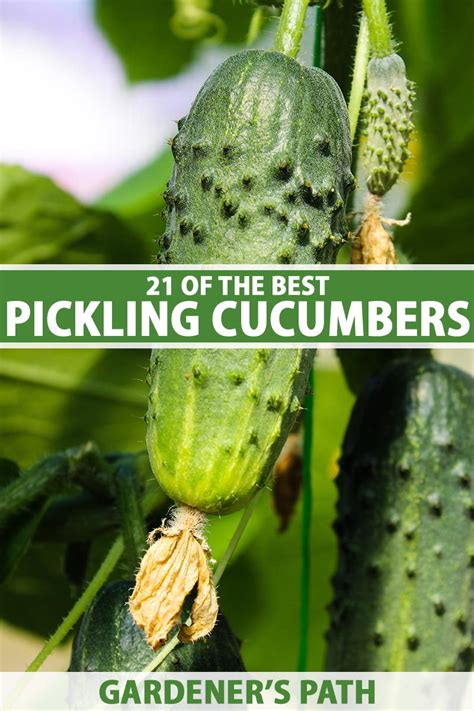
As summer peaks, so too does the bounty of our gardens. Juicy tomatoes, crisp cucumbers, fragrant herbs, and plump berries pour forth, often more than we can consume fresh. Rather than letting this hard-earned produce go to waste, preserving it naturally allows us to enjoy the vibrant flavors and nutritional benefits of summer long into the colder months. Beyond the economic savings, natural preservation methods connect us more deeply with our food, reduce food waste, and often eliminate the need for artificial additives found in store-bought alternatives. Let’s explore some of the most effective and rewarding ways to keep your garden’s goodness.

Drying and Dehydration: Concentrated Flavor and Long-Term Storage
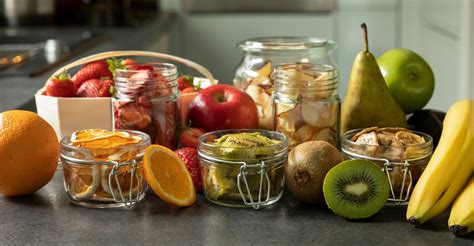
Drying is one of the oldest forms of food preservation, removing moisture to inhibit spoilage. This method concentrates flavors, making dried fruits, vegetables, and herbs intensely aromatic and delicious. Sun drying works wonderfully for herbs, tomatoes, and some fruits in hot, low-humidity climates. For more control and reliability, a food dehydrator is an excellent investment, allowing you to dry a wide variety of produce from apple slices and banana chips to kale and bell peppers. Ensure food is thinly sliced for even drying and stored in airtight containers once fully dehydrated.
Herbs are particularly well-suited to drying. Simply tie small bundles and hang them upside down in a cool, dark, well-ventilated area, or use a dehydrator on a low setting. Once brittle, crumble them and store them in sealed jars. Dried herbs retain their potency for months, adding garden-fresh flavor to your winter cooking.
Freezing: Capturing Freshness with Minimal Effort
Freezing is arguably the easiest and most effective way to preserve the fresh taste and nutritional value of many garden vegetables and fruits. For most vegetables, a quick blanching step before freezing is crucial. This involves briefly submerging vegetables in boiling water, then plunging them into ice water to stop the cooking process. Blanching inactivates enzymes that can cause deterioration in flavor, color, and texture during freezing. Peas, green beans, corn, and broccoli all benefit from blanching.
Fruits, such as berries, peaches, and cherries, can often be frozen raw. For berries, spread them in a single layer on a baking sheet, freeze until solid, then transfer to freezer bags to prevent clumping. Purees, sauces, and pestos made from your garden harvest also freeze beautifully in ice cube trays or freezer-safe containers, offering convenient portions for later use.

Canning and Jarring: Shelf-Stable Delights
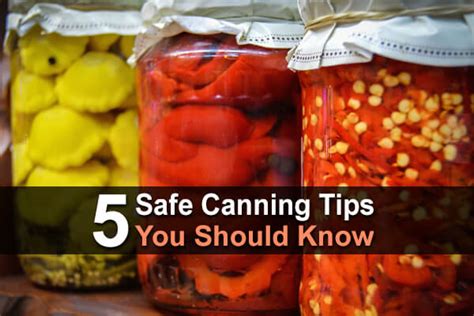
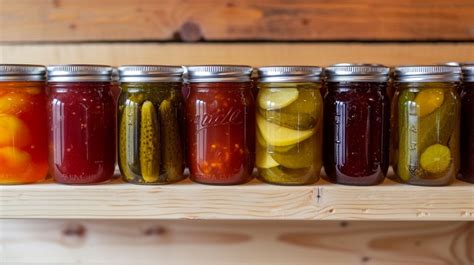
Canning involves sealing food in sterile jars and heating them to destroy spoilage microorganisms, creating shelf-stable products. This method requires careful adherence to safety guidelines but yields incredibly rewarding results like homemade jams, jellies, pickles, and sauces. There are two primary methods: water bath canning for high-acid foods (fruits, tomatoes with added acid, pickles, fruit spreads) and pressure canning for low-acid foods (most vegetables, meats, and mixtures). Water bath canning is simpler and ideal for beginners starting with their fruit and pickling vegetables.
Imagine enjoying your own dilly beans, bread-and-butter pickles, or vibrant tomato sauce months after the plants have withered. Canning is a fantastic way to capture the essence of your garden’s peak production, providing delicious staples and gifts throughout the year.
Fermentation and Root Cellaring: Ancient Wisdom for Modern Harvests
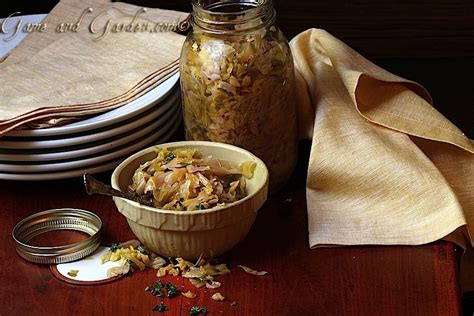
Fermentation is an ancient preservation technique that not only extends the life of food but also enhances its flavor and nutritional profile, often creating beneficial probiotics. Making sauerkraut from cabbage, kimchi from various vegetables, or lacto-fermented pickles involves using salt to draw out moisture and create an anaerobic environment where beneficial bacteria thrive. These fermented foods offer unique tangy flavors and are excellent for gut health.
For certain root crops and hardy vegetables, a simple root cellar or cool, dark storage space can provide months of fresh eating. Potatoes, carrots, onions, garlic, winter squash, and apples thrive in conditions that are cool (just above freezing), dark, and appropriately humid. This low-tech, energy-free method is perfect for large quantities of specific crops, bringing the harvest into your home without refrigeration or processing.
Conclusion: Savoring Your Garden’s Legacy
Preserving your summer garden harvest naturally is a rewarding endeavor that extends the joy of your gardening efforts. Whether you choose to dry fragrant herbs, freeze sweet berries, can tangy pickles, ferment crunchy cabbage, or store root vegetables in a cool cellar, each method allows you to connect more deeply with your food and enjoy the freshest, most wholesome flavors year-round. Experiment with different techniques to find what works best for your produce and lifestyle, ensuring that the bounty of summer nourishes you long after the last frost.