

Best natural weed control methods for a thriving homestead vegetable garden?

Homesteading embraces a self-sufficient lifestyle, and a thriving vegetable garden is often at its heart. However, even the most diligent gardener faces the constant battle against weeds, which compete for vital nutrients, water, and sunlight, hindering crop growth. While chemical herbicides offer a quick fix, they can harm the soil microbiome, contaminate produce, and pose risks to beneficial insects and wildlife. Fortunately, a host of natural, sustainable methods can keep your garden weed-free and flourishing, aligning perfectly with the homesteading ethos.
Understanding Weeds and Their Impact
Weeds are simply plants growing where they’re not wanted. They come in many forms – annuals, perennials, grasses, and broadleaves – each with its own strategy for survival and propagation. Left unchecked, weeds can significantly reduce crop yields, harbor pests, and make harvesting a chore. The first step in natural weed control is understanding their life cycles and preventing them from taking hold.
Building Healthy Soil
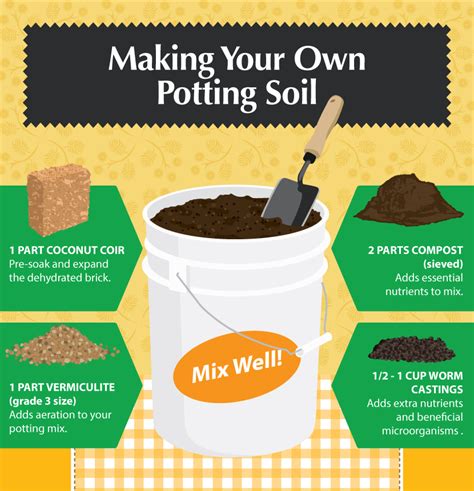
A vibrant, healthy soil ecosystem can surprisingly contribute to weed suppression. Rich organic matter promotes strong crop growth, allowing vegetables to outcompete weeds more effectively. Amend your soil regularly with compost, well-rotted manure, and other organic materials. This not only feeds your desired plants but also improves soil structure, making it easier to hand-weed when necessary.

Mulching: Your Garden’s Best Friend
Mulching is arguably the most effective natural weed control method. A thick layer of organic material smothers weed seeds, prevents new ones from germinating by blocking sunlight, and suppresses existing small weeds.
Types of Organic Mulches:
- Straw: Excellent for vegetable gardens, it’s lightweight, breaks down slowly, and improves soil. Ensure it’s weed-seed-free straw, not hay.
- Wood Chips: Best for pathways or around perennial plants, as they break down slower and can tie up nitrogen if mixed into annual beds.
- Leaves: Shredded leaves provide fantastic mulch, especially in autumn.
- Grass Clippings: Use in thin layers to avoid matting, and only if your lawn hasn’t been treated with herbicides.
Apply mulch 2-4 inches deep around plants, keeping it a few inches away from stems to prevent rot.

Strategic Hand-Weeding and Hoeing
Despite other efforts, some weeds will inevitably appear. Regular, shallow hand-weeding or hoeing is crucial.
- Timing is Key: Weeds are easiest to remove when they are small seedlings. A quick pass through the garden every few days is more effective than tackling a jungle once a month.
- Tools: Invest in a good hand weeder, a stirrup hoe, or a collinear hoe. These tools make quick work of cutting weeds off at the soil line without disturbing desirable plant roots.
- Don’t Let Them Go to Seed: If a weed flowers, it’s already preparing to spread its offspring. Remove it immediately to prevent future generations.
Companion Planting and Dense Planting
Companion Planting:
Certain plants naturally deter weeds or shade the soil, reducing weed germination. For instance, planting potatoes in close rows can shade the ground, suppressing weeds between them. Marigolds are known to repel some pests, allowing desired plants to thrive and outcompete weeds.
Dense Planting:
When appropriate for your crops, planting vegetables closer together (while still allowing for proper air circulation) can create a natural canopy that shades the soil, reducing the amount of sunlight available for weed seeds to germinate. This strategy works well for leafy greens, beans, and peas.
Cover Cropping and Crop Rotation
Cover Cropping:
When a garden bed is not in use, planting a cover crop (like clover, vetch, or rye) can effectively suppress weeds. Cover crops add organic matter to the soil, prevent erosion, and many also fix nitrogen. They act as a “living mulch,” outcompeting weeds for space and resources.
Crop Rotation:
Rotating crops annually helps break pest and disease cycles, and it can also disrupt weed populations. Different crops have different growth habits and nutrient needs, which can stress certain weed species over time, making them less dominant.

Solarization and Sheet Mulching
Solarization:
For deeply entrenched weed problems or to prepare a new garden bed, solarization can be highly effective. In warm, sunny climates, cover a prepared bed with clear plastic sheeting, sealing the edges. The sun’s heat builds up beneath the plastic, “cooking” weed seeds, pathogens, and pests in the top few inches of soil. This process usually takes 4-6 weeks during the hottest part of summer.
Sheet Mulching (Lasagna Gardening):
This method involves layering organic materials directly over an existing weedy area to create a new garden bed. Layers typically include cardboard (to smother weeds), compost, leaves, grass clippings, and other organic debris. Over time, these layers break down, creating rich, weed-free soil.
Cultivating a Resilient, Weed-Free Garden
Maintaining a weed-free homestead vegetable garden naturally is an ongoing process, not a one-time event. By integrating a combination of these methods – from preventative mulching and healthy soil building to diligent hand-weeding and strategic planting – you can significantly reduce weed pressure. Embrace these sustainable practices, and you’ll not only enjoy a bountiful harvest but also contribute to a healthier, more resilient garden ecosystem, perfectly aligned with the principles of homesteading.