
Best no-can method for preserving garden fresh basil?

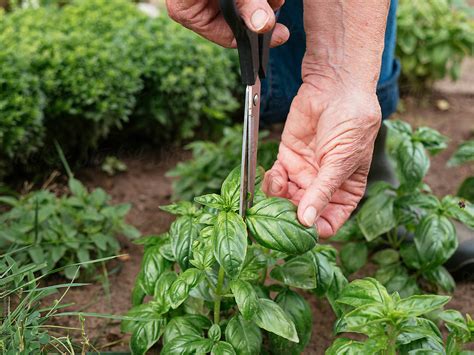
The intoxicating aroma and fresh flavor of garden-fresh basil are fleeting joys of summer. As your basil plants flourish, you might find yourself with an abundance, wondering how to capture that essence for colder months without the hassle of traditional canning. Luckily, several simple and effective no-can methods allow you to preserve basil’s vibrant taste and color, making it accessible for future culinary adventures.
Freezing Basil for Long-Lasting Flavor
Freezing is arguably one of the best ways to preserve basil’s fresh flavor and bright green color. There are a couple of excellent approaches, depending on how you plan to use it.
Method 1: Basil Pesto or Puree Cubes
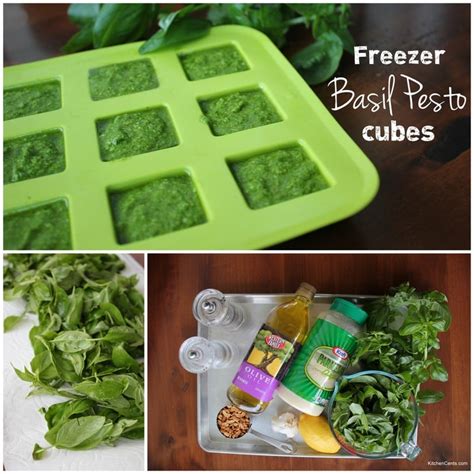
Making a basil pesto or a simple basil puree with olive oil is a fantastic way to freeze basil. For a puree, simply blend clean, dry basil leaves with a good quality olive oil until smooth. You can add a pinch of salt if desired, but omit cheese, nuts, or garlic if you want a versatile base. For pesto, follow your favorite recipe, leaving out cheese until thawing for best results.
Once pureed, spoon the mixture into ice cube trays. Freeze until solid, then pop the frozen cubes out and transfer them to freezer-safe bags or containers. These basil cubes are perfect for tossing into pasta sauces, soups, stews, or thawing for fresh pesto.
Method 2: Freezing Whole Leaves (Blanched or Unblanched)
You can also freeze whole basil leaves. For best color retention, blanching is recommended. Briefly dip clean basil leaves into boiling water for 5-10 seconds, then immediately transfer them to an ice bath to stop the cooking. Pat them thoroughly dry with paper towels.
Alternatively, you can freeze unblanched leaves, though they may darken slightly. Ensure the leaves are perfectly dry before freezing. Lay the individual leaves in a single layer on a baking sheet and freeze until solid. Once frozen, transfer them to airtight freezer bags or containers, removing as much air as possible to prevent freezer burn. These frozen leaves can be crumbled into dishes or used whole.

Drying Basil: A Classic Preservation Method
Drying basil is a time-honored method that transforms its fresh, peppery notes into a more concentrated, earthy flavor, ideal for seasoning cooked dishes.
Method 1: Air Drying
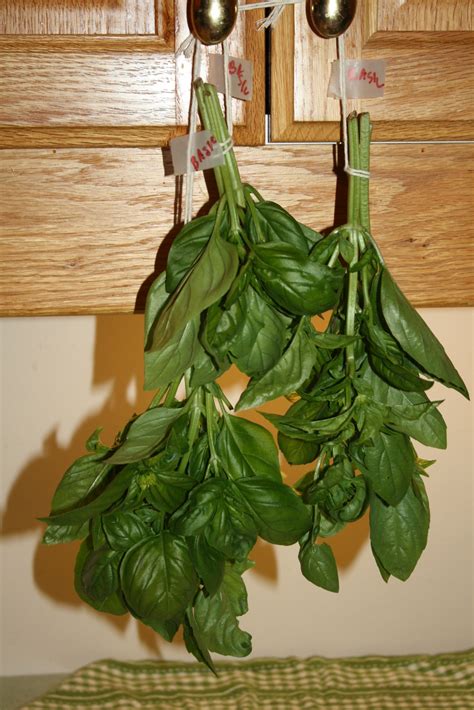
Air drying is simple and requires no special equipment. Gather small bunches of clean, dry basil stems, tie them with twine, and hang them upside down in a warm, dry, well-ventilated area away from direct sunlight. A pantry, attic, or even a closet can work. The basil will typically dry in 1-2 weeks, becoming brittle. Once fully dry, strip the leaves from the stems and store them whole or crumbled in airtight containers in a cool, dark place.
Method 2: Dehydrator or Oven Drying
For a faster and more controlled drying process, a food dehydrator is excellent. Spread clean basil leaves in a single layer on the dehydrator trays and set the temperature to a low setting (around 95-105°F or 35-40°C). Drying time can vary from a few hours to a full day. Alternatively, you can use an oven set to its lowest temperature (often around 170°F or 75°C) with the door slightly ajar to allow moisture to escape. Watch carefully to prevent burning.
Short-Term Freshness: Basil Infused Oil
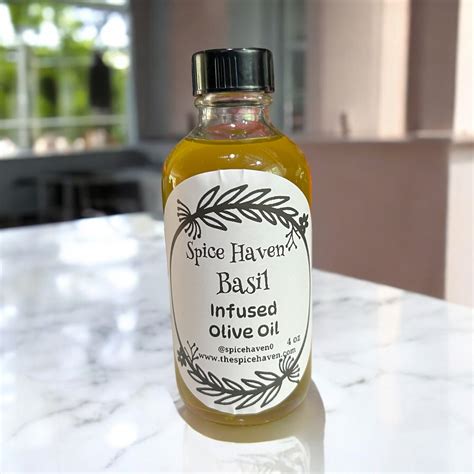
While not a long-term preservation method, making basil-infused oil is a delightful way to capture fresh basil’s essence for immediate use. Roughly chop or tear clean, dry basil leaves and steep them in a high-quality olive oil. Store this infused oil in the refrigerator and use it within 1-2 weeks. It’s crucial to understand that infused oils, particularly those with fresh herbs and garlic, pose a botulism risk if stored at room temperature, so always refrigerate and use quickly.
Tips for Success and Choosing Your Method
- Start with Freshness: Always begin with healthy, vibrant, clean basil leaves.
- Ensure Dryness: For freezing or drying, make sure leaves are thoroughly dry to prevent ice crystals or mold.
- Airtight Storage: Regardless of the method, proper airtight storage is key to maintaining flavor and preventing spoilage.
- Label Everything: Include the date on all preserved basil so you know its age.
Choosing the best method depends on how you plan to use your preserved basil. Freezing in pesto or puree form is excellent for retaining the vibrant, fresh flavor and color, perfect for sauces and pestos. Freezing whole leaves is versatile for various cooked dishes. Drying offers a more concentrated flavor ideal for long-term seasoning. Whichever method you choose, preserving your garden’s bounty ensures you can enjoy the taste of summer basil all year long, straight from your pantry or freezer.