Best no-canning methods for preserving garden harvest for winter meals?

Embrace the Bountiful Harvest: No-Canning Preservation
As summer fades and autumn leaves begin to fall, the garden often delivers its final, generous bounty. The thought of all those crisp green beans, juicy tomatoes, and fragrant herbs going to waste can be disheartening. While traditional canning has long been a staple for preserving, it’s not the only way to enjoy your harvest year-round. For those seeking simpler, less equipment-intensive, or simply different methods, a world of no-canning preservation awaits. These techniques allow you to capture the freshness of your garden and savor its flavors throughout the long winter months, bringing warmth and nutrition to your table.
Freezing: The Go-To for Garden Freshness
Freezing is arguably the easiest and most versatile no-canning method, especially for preserving the vibrant taste and texture of many vegetables and fruits. It requires minimal upfront effort beyond preparation and blanching for most vegetables. Blanching—a quick dip in boiling water followed by an ice bath—is crucial for vegetables like green beans, broccoli, peas, and corn. This process stops enzyme action, which would otherwise degrade flavor, color, and nutrients over time.
Once blanched and cooled, simply pat dry, spread on a baking sheet to freeze individually (this prevents clumping), then transfer to airtight freezer bags or containers. Berries, chopped peppers, and herbs (chopped and frozen in olive oil or water in ice cube trays) can often be frozen without blanching. Remember to label everything with the date and contents!

Drying and Dehydration: Ancient Techniques, Modern Convenience
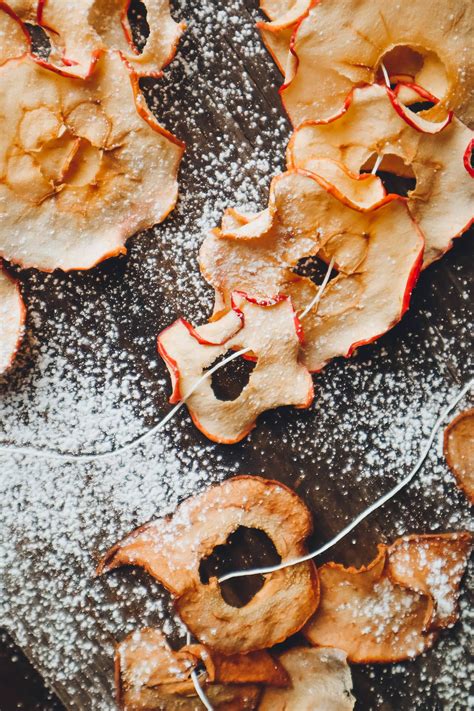
Drying is one of the oldest preservation methods, concentrating flavors and extending shelf life indefinitely when done correctly. While sun-drying is possible for some items in warm, dry climates, an electric food dehydrator offers reliable results regardless of weather. Herbs like basil, oregano, thyme, and rosemary dry beautifully, retaining their aromatic oils. Thinly sliced fruits (apples, pears, berries) make excellent snacks or additions to granola.
Tomatoes, especially paste varieties, can be dried into intensely flavorful ‘sun-dried’ tomatoes. Even sliced mushrooms, zucchini, or bell peppers can be dehydrated for use in soups and stews. Ensure all dried produce is fully brittle and stored in airtight containers away from light and moisture to prevent spoilage.
Fermentation: Flavorful and Gut-Friendly Preservation
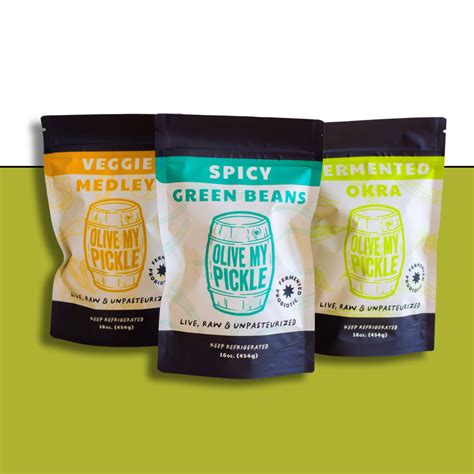
Fermentation is a transformative preservation method that not only extends the life of your produce but also enhances its nutritional value and creates unique, tangy flavors. Lacto-fermentation, in particular, uses beneficial bacteria to convert sugars into lactic acid, a natural preservative. The process is surprisingly simple, typically involving vegetables, salt, and water.
Classic examples include sauerkraut from cabbage, kimchi from various vegetables, and brined pickles from cucumbers. You can also ferment carrots, beets, green beans, and more. Fermented foods are rich in probiotics, great for gut health, and add a zesty punch to winter meals. All you need are clean jars, a suitable weight (or airlock lid), and a cool, dark place for the magic to happen.
Root Cellaring and Cool Storage: Nature’s Refrigerator
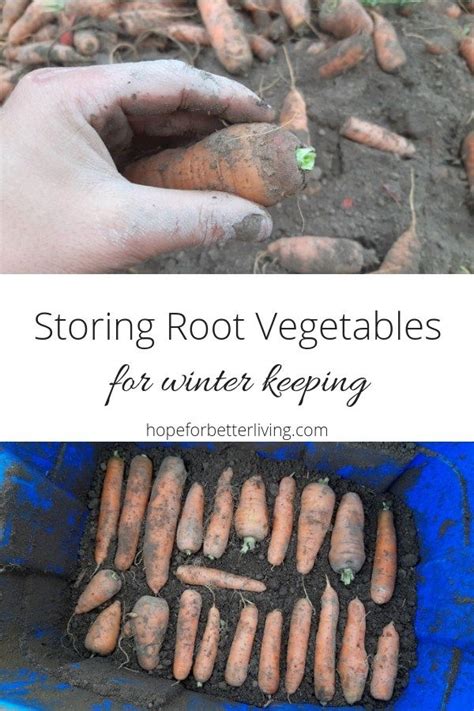
For certain hardy vegetables, the best preservation method is often the simplest: cool, dark storage. A true root cellar, with its consistent cool temperature and high humidity, is ideal, but even an unheated basement, garage, or even a sturdy outdoor container can work wonders. This method is perfect for crops like potatoes, carrots, beets, parsnips, onions, garlic, winter squash, and cabbage.
Different vegetables have different needs: potatoes and apples prefer cool, humid conditions; onions and garlic like cool and dry. Winter squash needs cool, relatively dry conditions. Proper airflow and monitoring are key to prevent spoilage. Store vegetables in bins, crates, or even layers of sand or sawdust to maintain humidity and prevent shriveling.

Preserving in Oil and Vinegar
While not for all vegetables, some can be deliciously preserved in oil or vinegar. Infused vinegars are a fantastic way to capture the essence of herbs, chilies, or garlic. Simply steep your chosen ingredients in a good quality vinegar for a few weeks, then strain and bottle. For herbs, making pesto and freezing it in small portions is a wonderful no-canning method that utilizes a generous amount of fresh basil, garlic, nuts, cheese, and olive oil.
Sun-dried tomatoes can be rehydrated and stored in olive oil (ensure proper acidification if not fully dried to avoid botulism risk, or store in the refrigerator and consume promptly). Always exercise caution when preserving low-acid foods in oil; if in doubt, refrigerate and use within a short timeframe.
Tips for Successful No-Canning Preservation
- Harvest at Peak: For the best flavor and nutritional value, preserve produce when it’s at its prime.
- Cleanliness is Key: Always start with clean produce, tools, and containers to minimize spoilage.
- Proper Packaging: Use airtight bags, containers, or jars to protect against freezer burn, moisture, or pests.
- Label and Date: This seemingly small step is crucial for knowing what you have and ensuring you use older items first.
- Portion Smart: Freeze or store in amounts you’ll typically use for a single meal to minimize waste once thawed or opened.
With these versatile no-canning methods, you can confidently transform your garden’s abundance into a pantry full of delicious ingredients, ready to create nourishing winter meals. From the crispness of frozen beans to the tang of fermented kraut and the earthy sweetness of stored root vegetables, your hard work in the garden will continue to reward you long after the snow falls.