


Best old-fashioned ways to preserve homemade holiday harvest flavors?

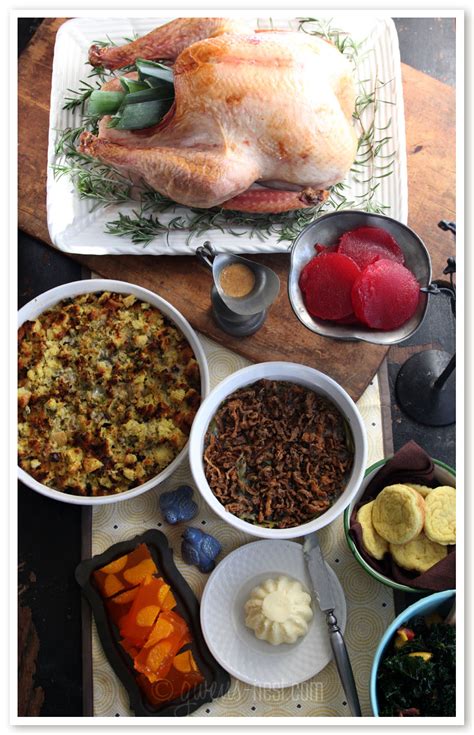
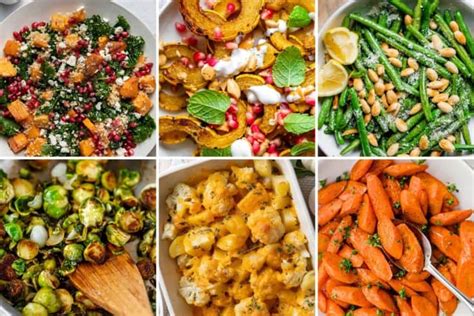
The magic of the holidays often revolves around seasonal flavors – the sweet tartness of cranberries, the warmth of spiced apples, or the earthy goodness of roasted squash. Preserving these tastes allows us to extend the joy long after the harvest has passed. Old-fashioned methods, tried and true across generations, offer delightful and often natural ways to bottle, dry, or freeze the essence of autumn and winter’s bounty, bringing a touch of homemade goodness to any season.
Embracing Time-Honored Techniques
There’s a unique appeal to returning to the basics of food preservation. Beyond the practical benefits of extending shelf life, these traditional techniques connect us to a culinary heritage, offering a sense of nostalgia and self-sufficiency. They typically rely on natural ingredients and processes, allowing the true flavors of your harvest to shine without artificial additives.
The Art of Canning: Jams, Jellies, and Pickles
Canning is perhaps the most iconic old-fashioned preservation method, involving sealing food in sterilized jars to create a vacuum that prevents spoilage. It’s a fantastic way to capture the peak freshness of fruits and vegetables.
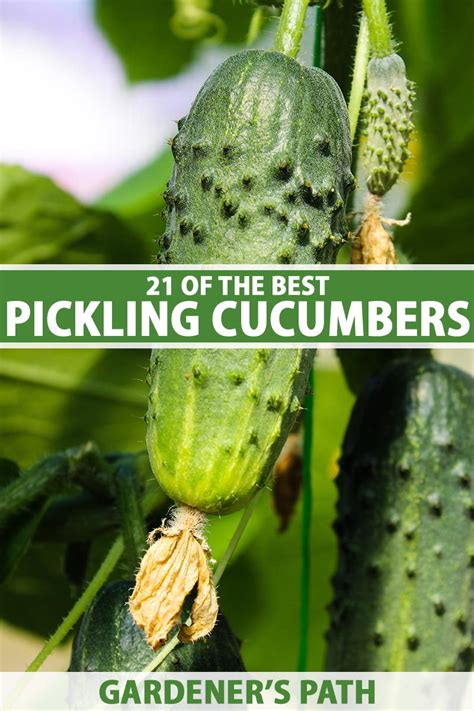
Popular holiday preserves include vibrant cranberry sauce, rich apple butter, spiced pear halves, or savory pickled green beans. For high-acid foods like most fruits and vinegary pickles, a simple water bath canner is sufficient. Low-acid foods, such as most vegetables and meats, require a pressure canner for safe preservation, reaching temperatures high enough to eliminate harmful bacteria.

Drying and Dehydrating: Capturing Concentrated Flavors
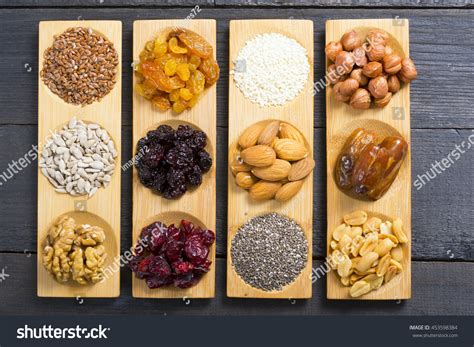
Drying is an ancient method that removes moisture from food, inhibiting microbial growth and concentrating its natural sugars and flavors. This results in intensely flavored ingredients that can be stored for extended periods and rehydrated for use or enjoyed as snacks.
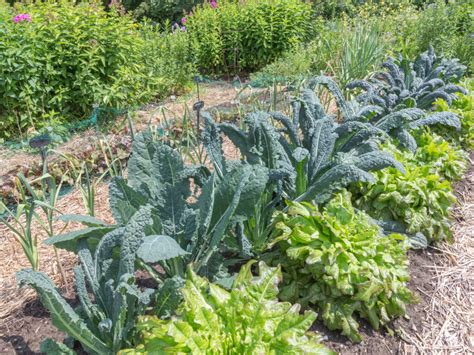
Imagine homemade dried apple rings for snacks or pies, chewy fruit leather, or perfectly dried cranberries to add to baked goods. Herbs from your garden can also be easily dried for year-round seasoning. While sun drying is traditional, modern ovens set to a low temperature or an electric dehydrator offer more controlled and efficient options, allowing you to dry a wide variety of produce with ease.
Freezing: The Modern Old-Fashioned Solution
Though modern freezers are a relatively recent invention, the concept of cold storage is as old as winter itself. Freezing is an incredibly versatile method for maintaining the fresh taste, texture, and nutritional value of your holiday harvest with minimal effort.
For best results, many vegetables benefit from blanching before freezing to preserve color and texture. Berries can be flash-frozen on a tray before bagging to prevent clumping. You can also freeze purees, sauces like pumpkin or apple sauce, and even prepared pie fillings or doughs for quick holiday treats later in the year. Proper packaging to prevent freezer burn is key to long-term success.

Fermentation: Cultivating Complex Tastes
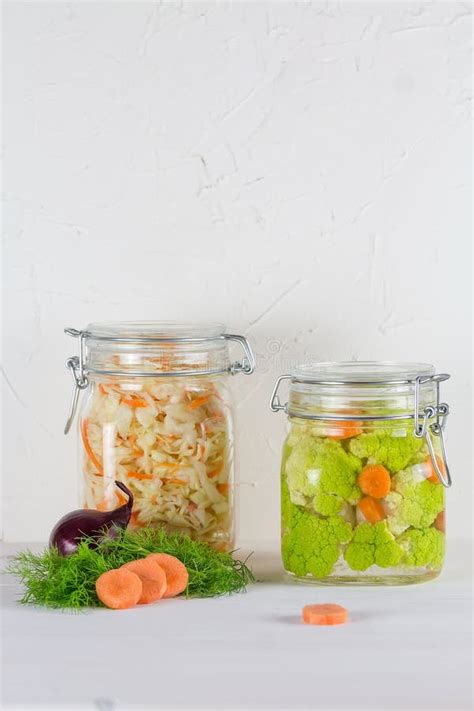
Fermentation is a transformative process that uses beneficial bacteria to break down carbohydrates, creating new, complex flavors and enhancing the nutritional profile of food while extending its shelf life. It’s a fantastic way to add a unique tang to your holiday table.
For holiday harvests, consider turning surplus cabbage into crisp sauerkraut or kimchi, making various pickled relishes with seasonal vegetables, or even experimenting with homemade vinegars infused with herbs or fruit scraps. Fermented foods add a delightful zest and depth to meals, and many recipes are surprisingly simple to execute at home.
Root Cellaring and Cool Storage: Nature’s Refrigerator
Before refrigeration, root cellars were essential for storing hardy produce through the winter. This method involves creating a cool, dark, and humid environment to keep certain fruits and vegetables fresh for months without any processing.
Even without a traditional root cellar, you can mimic these conditions. Store root vegetables like potatoes, carrots, parsnips, and onions in a cool, dark, well-ventilated pantry or basement. Winter squash and apples also keep well under these conditions. The key is consistent temperature, adequate humidity to prevent drying out, and good airflow to prevent spoilage.

These time-honored preservation techniques are more than just practical; they’re a celebration of seasonal abundance and a connection to culinary traditions. By embracing them, you can extend the magic of your homemade holiday harvest throughout the year, savoring those cherished flavors whenever the craving strikes and bringing a taste of your festive table to any moment.