Best organic methods to rejuvenate depleted garden soil for better yields?

Revitalizing Your Garden: The Organic Path to Abundant Yields
Is your garden producing less than it used to? Does the soil feel lifeless and compacted? Over time, continuous planting without proper replenishment can strip your garden soil of essential nutrients, organic matter, and beneficial microbial life. Fortunately, rejuvenating depleted soil is entirely achievable through sustainable, organic methods that not only restore fertility but also build long-term resilience and significantly improve your harvests.
Understanding Your Soil’s Needs
Before diving into remedies, it’s wise to understand what your soil is lacking. A simple soil test can provide invaluable information about its pH, nutrient levels (nitrogen, phosphorus, potassium), and organic matter content. This will help you tailor your organic strategies for maximum effectiveness, preventing guesswork and ensuring you address the specific deficiencies.
The Cornerstone of Soil Health: Composting
Compost is often called “gardener’s gold” for a reason. It’s a rich, dark, crumbly material made from decomposed organic matter that acts as a superfood for your soil. Integrating compost does wonders:
- Adds Nutrients: It slowly releases a balanced array of essential nutrients as it continues to break down.
- Improves Structure: It enhances soil aggregation, making heavy clay soils more workable and sandy soils better at retaining water and nutrients.
- Boosts Microbial Life: It introduces a vast diversity of beneficial microorganisms, which are crucial for nutrient cycling and disease suppression.
You can create your own compost from kitchen scraps, yard waste, and other organic materials, or purchase high-quality organic compost. Aim to amend your beds with at least 1-2 inches of compost annually, especially before planting season.

Nature’s Soil Builders: Cover Crops
When garden beds are left bare, they’re susceptible to erosion, nutrient leaching, and weed invasion. Cover crops, also known as “green manures,” are plants grown specifically to protect and enrich the soil rather than for harvest. They offer numerous benefits:
- Adds Organic Matter: When tilled into the soil (or “chopped and dropped”), they decompose, significantly increasing organic matter.
- Nitrogen Fixation: Leguminous cover crops like clover and vetch capture atmospheric nitrogen and release it into the soil.
- Prevents Erosion: Their root systems hold soil in place during heavy rains and winds.
- Weed Suppression: They outcompete undesirable weeds.
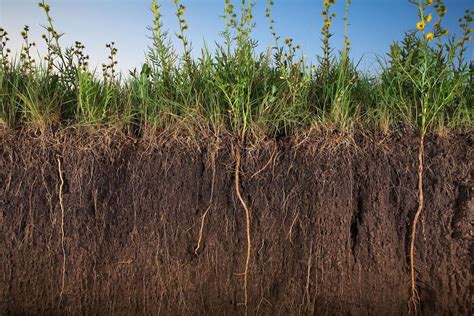
- Breaks Up Compaction: Deep-rooted cover crops can penetrate and break up compacted soil layers.
Popular choices include rye, oats, clover, vetch, and buckwheat. Plant them in off-season beds and incorporate them into the soil a few weeks before your main planting.

The Protective Blanket: Mulching
Mulching is a simple yet incredibly effective organic practice. Applying a layer of organic material over the soil surface brings a host of advantages:
- Moisture Retention: Mulch reduces evaporation, meaning you water less frequently.
- Weed Control: It smothers germinating weed seeds and makes weeding easier.
- Temperature Regulation: It keeps soil cooler in summer and warmer in winter, protecting plant roots.
- Nutrient Addition: As organic mulches like straw, shredded leaves, or wood chips decompose, they slowly add organic matter and nutrients back into the soil.
Apply 2-4 inches of mulch around your plants, keeping it a few inches away from stems to prevent rot.

Nurturing the Unseen Workforce: Beneficial Microbes and Mycorrhizae
Healthy soil is teeming with life: bacteria, fungi, protozoa, nematodes, and more. These microorganisms are essential for breaking down organic matter, making nutrients available to plants, and even protecting plants from disease. You can encourage a thriving soil food web by:
- Avoiding Chemical Fertilizers and Pesticides: These can harm beneficial soil organisms.
- Adding Organic Matter: Compost and mulches provide food and habitat for microbes.
- Using Microbial Inoculants: Some products contain beneficial bacteria and mycorrhizal fungi, which form symbiotic relationships with plant roots, extending their reach for water and nutrients.
Strategic Planting: Crop Rotation and Companion Planting
Beyond what you add to the soil, how you plant can also impact its health:
- Crop Rotation: Avoid planting the same crops in the same spot year after year. Rotating plant families helps prevent the build-up of specific pests and diseases, and it balances nutrient depletion. For instance, follow heavy feeders (like corn) with legumes (which add nitrogen).
- Companion Planting: Strategically placing different plants together can deter pests, attract beneficial insects, and even improve soil conditions (e.g., marigolds deter nematodes, beans fix nitrogen for nearby plants).
Bringing it All Together for Bountiful Yields
Rejuvenating depleted garden soil is a process, not a one-time fix. By consistently applying these organic methods—integrating compost, planting cover crops, mulching, fostering microbial life, and practicing smart crop rotation—you’ll gradually transform lifeless earth into vibrant, fertile soil. This not only leads to healthier, more resilient plants but also significantly boosts your yields, allowing you to enjoy the fruits (and vegetables!) of your labor for years to come.