Best organic pest control for a large homestead garden?
Managing pests in a large homestead garden organically can feel like a daunting task, but with a strategic approach, it’s entirely achievable. The key lies in understanding your garden’s ecosystem and implementing a multi-faceted defense system that works with nature, not against it. Organic methods protect your family, the environment, and the long-term health of your soil.

Building a Resilient Garden Ecosystem
The best defense against pests is a strong offense, meaning a healthy garden. Start with vibrant soil, rich in organic matter, which fosters robust plants more capable of resisting pest attacks. Good soil biology encourages beneficial microorganisms that can even deter root-feeding pests.
Choose pest-resistant varieties adapted to your local climate. Research which plants thrive in your region and are less susceptible to common local pests. Diversity is also crucial; monocultures are an open invitation for pests to decimate a single crop.
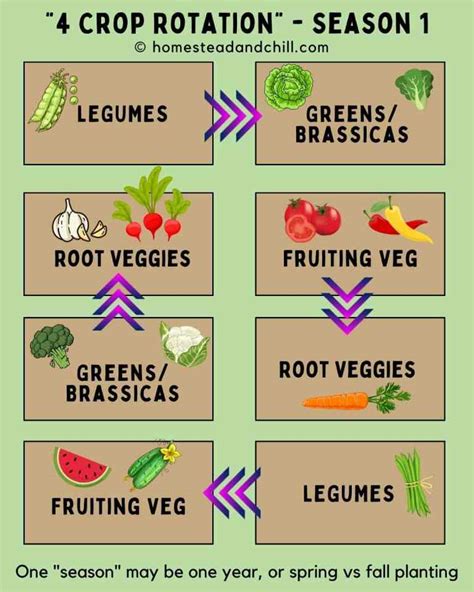
Implement crop rotation diligently. Moving plant families to different beds each season breaks pest lifecycles and prevents soil-borne diseases from building up. This simple practice can significantly reduce pest pressure over time in a large garden.
Physical Barriers and Manual Removal
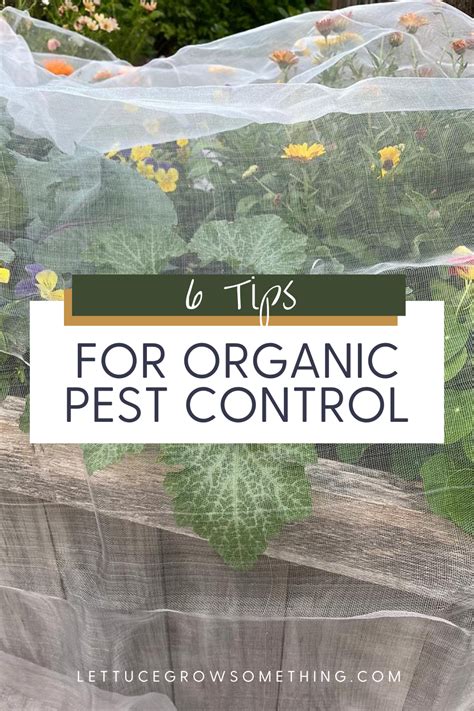
For vulnerable seedlings and specific crops, physical barriers are incredibly effective. Row covers, made of lightweight, breathable fabric, can protect plants from flying insects like cabbage moths, squash bugs, and cucumber beetles. Ensure they are properly anchored to prevent pests from sneaking underneath.
Netting can also be used to protect fruit trees and berry bushes from birds and larger animals. While these methods require initial setup, they offer immediate and non-toxic protection.
Don’t underestimate the power of manual removal. Regular patrols of your large garden allow you to spot pests early. Hand-picking larger insects like tomato hornworms or squash bug adults and their egg masses can prevent a full-blown infestation. A strong jet of water can dislodge aphids and spider mites.

Harnessing Nature’s Pest Controllers
Encourage beneficial insects that prey on garden pests. Ladybugs, lacewings, predatory wasps, and hoverflies are your allies. Attract them by planting a diversity of flowers, especially those with small blossoms like dill, fennel, calendula, and sweet alyssum. Providing water sources can also help.
Think beyond insects. Birds, frogs, toads, and even snakes can play a vital role in pest control. Create a habitat that welcomes these creatures by providing shelter, water, and food sources beyond your garden crops. Birdhouses, log piles, and small ponds can make a big difference.

Companion Planting and Botanical Sprays
Companion planting strategically places plants together that benefit each other, often by deterring pests or attracting beneficial insects. Marigolds are famous for repelling nematodes and other soil pests. Nasturtiums can act as a trap crop, drawing aphids away from more valuable plants.
Herbs like basil, mint, and rosemary can deter a range of insects when planted near susceptible crops. Research specific pairings that work best for the pests you commonly encounter.
When infestations occur despite preventative measures, organic sprays can be a last resort. Neem oil, derived from the neem tree, disrupts insect feeding and reproduction. Insecticidal soaps effectively control soft-bodied insects like aphids and whiteflies by suffocating them. Homemade garlic or chili sprays can also deter pests due to their strong odors and irritating properties. Always test any spray on a small area first.

An Integrated, Vigilant Approach
For a large homestead garden, success lies in an integrated pest management (IPM) approach, even within an organic framework. This means combining all the strategies – prevention, physical barriers, beneficial organisms, and targeted organic treatments – rather than relying on just one.
Regular observation is paramount. Walk through your garden daily, looking for early signs of pest damage or the pests themselves. Early detection allows for smaller, more manageable interventions before a problem escalates across a large area. Keep a garden journal to track successes and failures.
Conclusion
Organic pest control in a large homestead garden is an ongoing journey of learning and adaptation. By nurturing a healthy ecosystem, employing diverse prevention methods, and understanding the natural world, you can cultivate an abundant, chemical-free harvest that sustains your family and enhances the health of your land.