
Best organic pest control for backyard vegetable gardens?

Cultivating a Pest-Free Organic Oasis
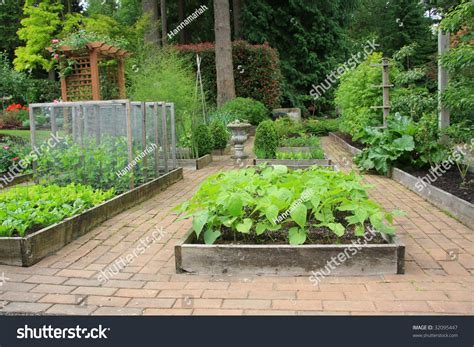
For many country living enthusiasts, a backyard vegetable garden is more than just a source of fresh produce; it’s a labor of love, a connection to nature, and a commitment to healthy living. The joy of harvesting your own organic tomatoes or crisp lettuce, however, can quickly be overshadowed by the relentless onslaught of garden pests. Fortunately, maintaining an organic garden doesn’t mean surrendering to aphids or squash bugs. With a strategic and holistic approach, you can effectively manage pests naturally, ensuring your bounty remains abundant and chemical-free.
The Organic Advantage: Why Go Chemical-Free?
Opting for organic pest control goes beyond just avoiding synthetic pesticides. It’s about fostering a healthy ecosystem that naturally deters unwanted visitors. Chemical pesticides can harm beneficial insects (like bees and ladybugs), contaminate soil and water, and pose risks to pets and human health. An organic approach, conversely, supports biodiversity, builds soil health, and ensures the food you grow is truly pure and safe for your family.
Building Resilience: Preventative Measures Are Key
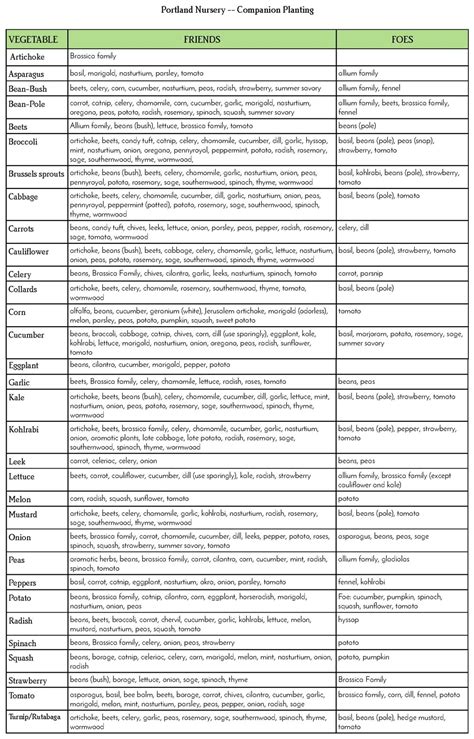
The best pest control is prevention. A healthy garden is inherently more resistant to pests. Start with nutrient-rich soil, teeming with microbial life. Practice crop rotation to confuse pests and break disease cycles; planting the same crop in the same spot year after year invites trouble. Companion planting is another powerful tool: strategically placing plants that repel pests (like marigolds or strong-scented herbs) next to susceptible vegetables can create a natural protective barrier. Regularly inspect your plants for early signs of pest activity, making it easier to address issues before they escalate.
Physical Barriers and Manual Patrols
Sometimes the simplest methods are the most effective. Physical barriers can be invaluable for protecting vulnerable plants. Use floating row covers made of lightweight fabric to shield seedlings and young plants from flying insects like cabbage worms and squash vine borers, just be sure to remove them for pollination if growing fruiting plants. Netting can protect berries and other fruits from birds. And don’t underestimate the power of your own two hands: regularly hand-picking larger pests like tomato hornworms or slugs, especially in the early morning or evening, can significantly reduce their populations. Drop them into a bucket of soapy water for humane disposal.
Welcome the Good Guys: Enlisting Beneficial Insects
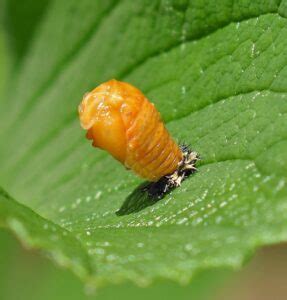
Not all insects are foes; many are your garden’s best allies. Ladybugs devour aphids, lacewing larvae feast on a variety of soft-bodied pests, and parasitic wasps target caterpillars and other insect larvae. To attract these beneficial predators, cultivate a diverse garden with a variety of flowering plants that provide nectar and pollen. Dill, fennel, cilantro, cosmos, and sunflowers are excellent choices. Avoid broad-spectrum pesticides that kill both good and bad insects. Creating habitats with insect hotels or undisturbed areas can also encourage beneficial insect populations.
Nature’s Arsenal: Organic Sprays and Repellents
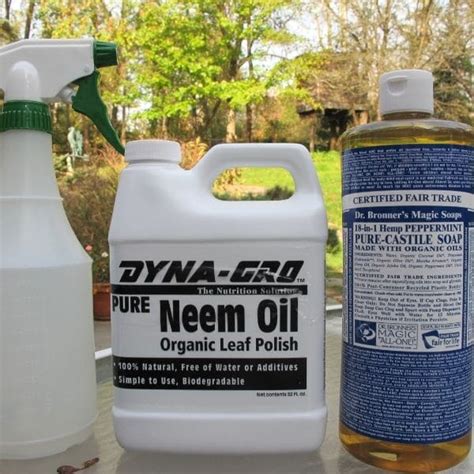
When prevention and manual removal aren’t enough, several organic sprays offer targeted relief. Neem oil, derived from the neem tree, is a powerful botanical insecticide that disrupts insect growth and feeding. It’s effective against a wide range of pests, including aphids, whiteflies, and spider mites, and is generally safe for beneficial insects once dry. Insecticidal soap sprays work by suffocating soft-bodied insects; they are contact killers and require direct application. For a homemade solution, a garlic and chili pepper spray can deter pests with its strong scent and irritating properties. Always test any spray on a small part of the plant first to ensure it doesn’t cause damage, and apply in the evening to avoid harming pollinators and prevent leaf burn.
Strategic Trapping for Pesky Invaders
Traps can be an effective way to monitor and reduce pest populations. Sticky traps, often yellow, attract and capture flying insects like whiteflies and fungus gnats. Pheromone traps can target specific pests by luring them with synthetic insect hormones. For slugs and snails, shallow dishes of beer sunk into the soil can create effective “beer traps” where the pests are attracted to the yeast and drown. Remember to empty and refresh traps regularly for maximum effectiveness.

The Path to a Thriving Organic Garden
Successfully managing pests organically in your backyard vegetable garden is an ongoing process that requires observation, patience, and a willingness to adapt. It’s about understanding the intricate web of life in your garden and working with nature, rather than against it. By implementing these organic strategies—from building healthy soil and welcoming beneficial insects to employing physical barriers and natural sprays—you can protect your precious harvest, cultivate a vibrant ecosystem, and enjoy the true rewards of country living: fresh, healthy, homegrown food, free from synthetic chemicals.