


Best organic pest control for common garden invaders like squash bugs?

Embracing Nature: Organic Solutions for Garden Pests
For those of us who cherish our country gardens, the sight of a thriving ecosystem is a joy – until unwelcome guests like squash bugs or aphids threaten to decimate our hard-earned harvests. The good news is that you don’t need harsh chemicals to keep your plants safe. Organic pest control is a holistic approach, working with nature to maintain balance and protect your produce.
Tackling common garden invaders requires a combination of vigilance, understanding, and timely intervention. From the sneaky squash bug to the voracious tomato hornworm, each pest presents a unique challenge, but organic gardening offers a diverse arsenal of gentle yet effective solutions.
Understanding Your Adversaries: Common Garden Pests
Before you can effectively manage pests, it helps to know who you’re dealing with. Identifying the culprit allows for targeted, efficient organic treatments.
- Squash Bugs: These notorious destroyers of squash and pumpkin plants suck sap, causing wilting and eventual plant death. Adults are flat, grayish-brown, and often hide on the undersides of leaves.
- Aphids: Small, soft-bodied insects that cluster on new growth, sucking sap and transmitting diseases. They come in various colors and reproduce rapidly.
- Tomato Hornworms: Large, green caterpillars with a distinctive ‘horn’ on their rear, capable of defoliating tomato and pepper plants overnight.
- Slugs and Snails: Nighttime feeders that leave ragged holes in leaves, especially noticeable in damp conditions.
- Cucumber Beetles: Yellow and black striped or spotted beetles that feed on cucurbits and can transmit bacterial wilt.

Prevention is Your First Line of Defense
The most effective organic pest control starts before pests even become an issue. A healthy, resilient garden is less susceptible to infestations.
Build Healthy Soil
Plants grown in rich, biologically active soil with ample organic matter are stronger and better able to resist pest attacks. Amend your soil regularly with compost.
Choose Resistant Varieties
Whenever possible, select plant varieties known for their resistance to common local pests and diseases.
Practice Crop Rotation
Moving plant families to different beds each season helps break pest life cycles and prevents soil-borne diseases from building up.
Companion Planting
Strategically planting certain crops together can deter pests. Marigolds, for instance, are known to repel nematodes, while nasturtiums can act as a trap crop for aphids.
Mechanical & Physical Organic Controls
Sometimes, the simplest solutions are the best. These hands-on methods are highly effective for many pests.
Hand-Picking
For larger pests like squash bugs (adults and nymphs), tomato hornworms, and even cucumber beetles, hand-picking is incredibly effective. Regularly inspect your plants, especially the undersides of leaves, and drop pests into a bucket of soapy water. Don’t forget to crush squash bug egg clusters!
Row Covers
Lightweight floating row covers can physically exclude many flying insects, including squash bugs and cucumber beetles, from your vulnerable crops. Ensure they are secured tightly to prevent pests from crawling underneath.
Traps
Beer traps can be very effective for slugs and snails. Simply bury a shallow dish of beer up to its rim near affected plants. Yellow sticky traps can help monitor and reduce populations of flying insects like whiteflies and fungus gnats.

Botanical & Biological Solutions
When physical methods aren’t enough, turn to nature’s own remedies and allies.
Neem Oil
Derived from the neem tree, neem oil is a powerful broad-spectrum organic insecticide, fungicide, and miticide. It works by disrupting insect growth and feeding. Apply as a foliar spray according to package directions, ideally in the evening to avoid harming beneficial insects.
Insecticidal Soap
Effective against soft-bodied insects like aphids, spider mites, and whiteflies. It works by breaking down their protective outer coating. Ensure thorough coverage for best results.
Diatomaceous Earth (DE)
Food-grade DE is a natural powder made from fossilized diatoms. When dry, its microscopic sharp edges cut through the exoskeletons of crawling insects, causing them to dehydrate. Dust it lightly around the base of plants or on leaves when dry.
Beneficial Insects
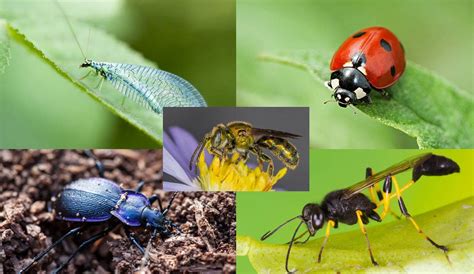
Invite natural predators and parasites into your garden! Ladybugs feast on aphids, lacewings target a variety of soft-bodied pests, and parasitic wasps lay their eggs inside hornworms, eventually killing them. Plant diverse flowering plants to provide nectar and pollen for these helpful allies.
Specific Strategies for Squash Bugs
Squash bugs are persistent, but with a multi-pronged organic approach, you can keep them in check:
- Scouting & Hand-Picking: Begin early in the season. Regularly check the undersides of squash, pumpkin, and zucchini leaves for adults and their distinct reddish-brown, oval egg clusters. Scrape off egg clusters or crush them.
- Row Covers: Use row covers early in the season to prevent adults from laying eggs. Remove covers when plants start to flower to allow for pollination.
- Trap Cropping: Plant ‘Blue Hubbard’ squash nearby as a trap crop. Squash bugs are often more attracted to it than other cucurbits. They will congregate there, making hand-picking easier.
- Mulching: Avoid heavy mulch directly around the base of plants, as it provides hiding spots for squash bugs.
- Neem Oil/Insecticidal Soap: Apply these to young nymphs and adults, focusing on the undersides of leaves, if populations are high.
- Garden Clean-up: In the fall, remove all squash plant debris to eliminate overwintering sites for adult squash bugs.

Building a Resilient Organic Garden
Organic pest control is an ongoing commitment to nurturing your garden’s health. It’s not about eradication, but about maintaining a balance where pests are present but don’t cause significant damage. By combining preventive measures, physical controls, and natural solutions, you create an environment where your plants can thrive and your harvest is safe from chemical contamination.
Embrace the journey of learning and observing. Your garden will thank you with abundant, healthy produce that truly reflects the beauty and bounty of country living.