Best organic pest control for tomato blight in a small country garden?

Battling Tomato Blight Organically in Your Country Garden
Tomato blight can be a heartbreaking sight for any gardener, especially when it strikes your carefully nurtured plants in a small country garden. This destructive fungal disease can quickly decimate a tomato crop, turning lush green foliage into wilting, browned ruins. The good news is that with a proactive approach and a range of organic pest control methods, you can effectively manage and prevent blight without resorting to harsh chemicals.

Understanding Tomato Blight: Early vs. Late
Before you can fight blight, you need to understand your enemy. The two most common types affecting tomatoes are Early Blight (Alternaria solani) and Late Blight (Phytophthora infestans). Early blight typically appears as dark, concentric spots with yellow halos on lower leaves, often during warm, humid weather. Late blight, far more aggressive, causes large, irregular, water-soaked spots on leaves and stems, rapidly spreading in cool, wet conditions, often leading to fruit rot. Identifying which type you’re dealing with can inform your prevention and treatment strategies.
Prevention: The First Line of Organic Defense
The best organic pest control for tomato blight starts with prevention. Creating an environment that discourages fungal growth is crucial:
- Proper Spacing and Air Circulation: Plant tomatoes with adequate space between them (at least 2-3 feet apart) to allow for good air movement. This helps leaves dry quickly after rain or watering, reducing the moist conditions fungi love.
- Watering Wisely: Water plants at the base in the morning, avoiding overhead irrigation that wets foliage. This gives leaves time to dry before evening.
- Mulch Application: Apply a thick layer of organic mulch (straw, shredded leaves, wood chips) around the base of plants. This prevents soil-borne fungal spores from splashing up onto lower leaves during rain or watering.
- Staking and Pruning: Stake or cage your tomatoes to keep foliage off the ground. Regularly prune lower leaves, especially those touching the soil or showing signs of yellowing, to improve air circulation and remove potential entry points for disease.
- Crop Rotation: Never plant tomatoes (or other solanaceous crops like potatoes, peppers, or eggplants) in the same spot year after year. A 3-4 year rotation cycle helps break the disease cycle.
- Sanitation: Remove and destroy any infected plant material immediately. Do not compost blighted plants, as spores can survive.

Organic Treatment Options for Existing Blight
If blight does appear, don’t despair. Several organic treatments can help:
Copper and Sulfur-Based Fungicides
Organic-approved copper or sulfur-based fungicides can be effective, especially if applied early. These act as protectants, creating an unfavorable environment for fungal spores. Always follow label instructions carefully.
Neem Oil
Neem oil, derived from the neem tree, is a broad-spectrum organic pesticide and fungicide. It can help suppress fungal diseases and deter pests. Apply it as a foliar spray, ensuring full coverage of both upper and lower leaf surfaces.
Baking Soda Spray
A simple homemade spray can offer some protection. Mix 1 tablespoon of baking soda with 1 teaspoon of horticultural oil (or dish soap) in a gallon of water. Spray every 5-7 days, especially after rain, but be cautious not to overuse, as it can affect soil pH.

Pruning and Removal of Infected Parts
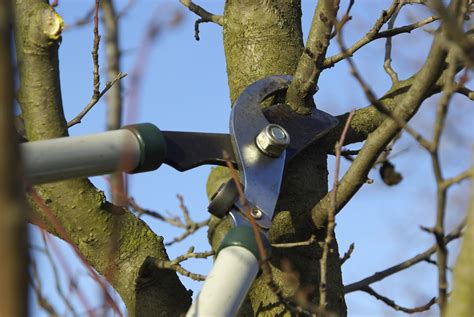
As soon as you spot blighted leaves or stems, prune them off immediately using sterilized shears (disinfect between cuts with rubbing alcohol). Dispose of infected material away from the garden.
Boosting Plant Resilience with Soil Health
A strong, healthy tomato plant is better equipped to resist disease. Focus on building rich, vibrant soil:
- Compost Power: Incorporate plenty of well-rotted compost into your garden beds. Compost improves soil structure, drainage, and nutrient availability, fostering a strong root system.
- Mycorrhizal Fungi: Consider inoculating your soil with beneficial mycorrhizal fungi, which form symbiotic relationships with plant roots, enhancing nutrient uptake and disease resistance.
- Balanced Nutrition: Avoid excessive nitrogen, which can lead to lush, tender growth more susceptible to disease. Aim for a balanced organic fertilizer, especially one with adequate phosphorus and potassium.

Conclusion: A Thriving Organic Tomato Patch
While tomato blight can be a formidable challenge, especially in the unique conditions of a small country garden, a holistic organic approach offers the best defense. By prioritizing prevention through good cultural practices, being vigilant for early signs of disease, and utilizing natural treatments, you can protect your tomato plants. Embrace healthy soil, good air circulation, and timely interventions, and you’ll be well on your way to enjoying a bountiful harvest of delicious, homegrown tomatoes.