
Best organic pest control for tomato hornworms?
Understanding the Tomato Hornworm Threat
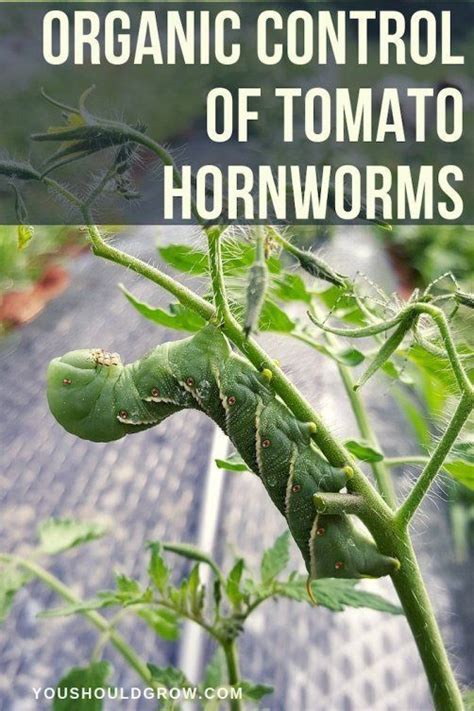
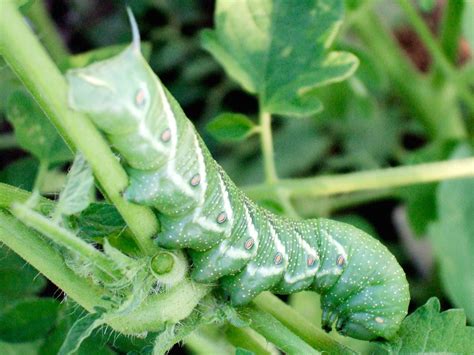
Tomato hornworms (Manduca quinquemaculata) are notorious pests for any gardener cultivating tomatoes, peppers, potatoes, or eggplant. These large, green caterpillars, easily identified by their prominent ‘horn’ at the rear, can decimate a plant overnight. Their voracious appetite makes early detection and effective control crucial for a bountiful harvest. Fortunately, several organic strategies can help you manage these garden invaders without resorting to synthetic pesticides.
Manual Removal: Your First Line of Defense
Given their size, manual removal is one of the most effective and immediate organic solutions. Regularly inspect your tomato plants, paying close attention to defoliated stems and hornworm droppings (dark green pellets) on leaves below. Hornworms blend remarkably well with foliage, so look for chewed leaves and stems. Once spotted, simply pick them off by hand. You can drop them into a bucket of soapy water to dispatch them, or relocate them far away from your garden. Many gardeners even feed them to chickens!
Harnessing Beneficial Insects: Nature’s Pest Controllers
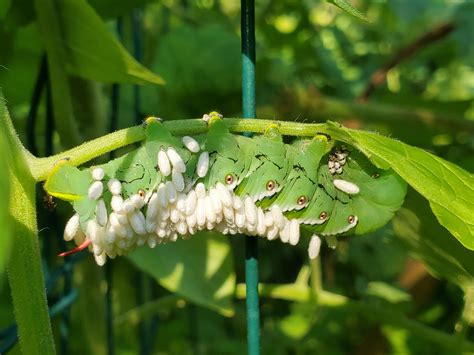
Mother Nature provides powerful allies in the fight against hornworms, primarily in the form of parasitic wasps, particularly the Braconid wasp (Cotesia congregata). These tiny wasps lay their eggs on the hornworm’s back. The wasp larvae then feed internally, eventually emerging to pupate in small, white cocoons visible on the hornworm’s exterior. If you find a hornworm covered in these cocoons, leave it be! It’s a sign that the wasps are at work, and the hornworm will soon die, allowing the wasps to emerge and continue their beneficial cycle.
Attracting Beneficials
To encourage parasitic wasps and other beneficial insects (like lacewings and ladybugs) to your garden, plant a variety of flowering plants that provide nectar and pollen. Dill, fennel, cilantro, cosmos, and marigolds are excellent choices to create a welcoming habitat for these natural predators.
Bacillus Thuringiensis (Bt): A Targeted Microbial Solution
Bacillus thuringiensis (Bt) is a naturally occurring soil bacterium that is highly effective against a range of caterpillar pests, including tomato hornworms, while being harmless to humans, pets, and beneficial insects. When hornworms ingest leaves treated with Bt, the bacteria produce toxins that disrupt their digestive system, causing them to stop feeding and eventually die.
Application Tips
Bt is available as a dust or a liquid concentrate. Apply it thoroughly to both sides of the leaves where hornworms are feeding. For best results, apply Bt in the late afternoon or evening, as UV light can degrade its effectiveness. Reapply after rain or every 7-10 days if hornworms persist.
Companion Planting and Row Covers for Prevention
Companion Planting
Strategic companion planting can deter hornworms and attract their natural enemies. Borage is a classic companion for tomatoes, believed to deter hornworms and improve fruit flavor. Marigolds and dill can also help repel pests, while dill and cosmos attract beneficial wasps.

Physical Barriers: Row Covers
For young tomato plants or during peak hornworm season, lightweight floating row covers can provide an excellent physical barrier. These covers allow light and water to pass through but prevent moths (which lay hornworm eggs) from accessing your plants. Ensure the covers are securely anchored to the ground to prevent pests from crawling underneath. Remove them when plants begin to flower to allow for pollination.
Maintaining a Healthy Garden Ecosystem
Beyond specific treatments, fostering a balanced garden ecosystem is paramount for long-term organic pest control. Healthy, well-fed plants are more resilient to pest attacks. Encourage biodiversity, avoid broad-spectrum pesticides that harm beneficial insects, and practice good garden hygiene, such as rotating crops and removing plant debris. With vigilance and a multi-pronged organic approach, you can effectively protect your tomato harvest from the hungry hornworm.