Best practical ways to preserve garden tomatoes without canning for winter?

Embracing the Harvest: Non-Canning Tomato Preservation
As summer draws to a close, your garden might be overflowing with ripe, juicy tomatoes. While canning is a traditional and effective method, it’s not the only way to safeguard your harvest for the colder months. For many home gardeners, the thought of extensive boiling water baths or pressure canning can be daunting. Thankfully, there are numerous practical and less labor-intensive ways to preserve your tomatoes, ensuring you can enjoy their fresh flavor throughout winter without ever needing a canner.
These alternative methods range from simple freezing techniques to ancient preservation practices like fermentation. Each offers unique benefits and produces different forms of preserved tomatoes, suitable for a variety of culinary uses. Let’s explore the best practical ways to keep your garden’s bounty from going to waste.
1. Freezing Tomatoes: The Easiest Method
Freezing is arguably the simplest and most straightforward way to preserve tomatoes, requiring minimal effort and no special equipment beyond freezer-safe bags or containers. You can freeze tomatoes whole, diced, or as a puree.
How to Freeze Whole or Diced Tomatoes:
- Whole Tomatoes: Wash and remove the core. Place them on a baking sheet lined with parchment paper, ensuring they don’t touch, and flash-freeze until solid (2-4 hours). Transfer to freezer bags, removing as much air as possible. The skins will easily slip off once thawed.
- Diced Tomatoes: Wash, core, and dice your tomatoes. Spread them on a baking sheet to flash-freeze, then transfer to freezer bags. This is excellent for soups, stews, and chilis.
Freezing Tomato Puree/Sauce:
For a more versatile product, cook down your tomatoes into a simple sauce or puree first. Simmer quartered tomatoes until soft, then pass them through a food mill or blend and strain to remove skins and seeds. Reduce the liquid to your desired consistency. Once cooled, pour into freezer bags, ice cube trays, or freezer-safe containers. Tomato ice cubes are perfect for adding a burst of flavor to single servings.
2. Roasting and Freezing Tomato Sauce/Pulp
Roasting tomatoes before freezing deepens their flavor, creating a rich, intensely sweet base for sauces, soups, and stews. This method caramelizes the sugars in the tomatoes, providing a complex taste profile that’s hard to achieve with raw tomatoes.
Steps for Roasting Tomatoes:
- Preheat your oven to 400°F (200°C).
- Halve or quarter your tomatoes (any variety works well). Toss them with a drizzle of olive oil, salt, pepper, and optional herbs like oregano or basil.
- Spread the tomatoes in a single layer on a baking sheet.
- Roast for 30-60 minutes, or until softened and slightly caramelized.
- Allow to cool, then blend into a sauce or leave chunky.
- Portion into freezer bags or containers and freeze.
This roasted tomato pulp can be used as a base for pasta sauces, pizza toppings, or even enjoyed simply as a flavorful side dish once thawed.
3. Drying Tomatoes: Sun or Oven Methods
Drying tomatoes concentrates their flavor and results in a chewy, intensely sweet treat. Sun-dried tomatoes are iconic, but an oven or food dehydrator can achieve similar results more reliably, especially in humid climates.
Oven-Drying Tomatoes:
- Slice tomatoes (Roma or paste varieties work best) about 1/4 inch thick.
- Arrange slices on parchment-lined baking sheets.
- Bake at the lowest possible temperature (usually 175-200°F or 80-95°C) for 6-10 hours, propping the oven door open slightly to allow moisture to escape.
- Flip occasionally until they are leathery and pliable, not brittle.
Food Dehydrator:
Follow the manufacturer’s instructions, typically drying at 125°F (52°C) until leathery. Dried tomatoes can be stored in airtight containers for several months or packed in olive oil (refrigerated) for longer preservation.

4. Fermenting Tomatoes: A Probiotic Powerhouse
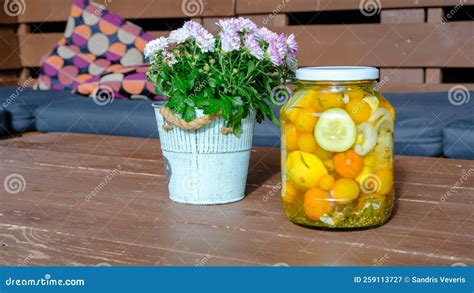
Fermentation is an ancient preservation method that not only extends shelf life but also adds beneficial probiotics and complex flavors to your tomatoes. This method works particularly well for cherry tomatoes or larger varieties cut into wedges.
Simple Fermented Tomatoes:
- Wash tomatoes and prick them a few times with a skewer.
- Pack them tightly into a clean glass jar. Add optional flavorings like garlic cloves, dill sprigs, or bay leaves.
- Prepare a brine: 2 tablespoons of sea salt per 1 quart (about 1 liter) of non-chlorinated water. Stir until salt dissolves.
- Pour the brine over the tomatoes, ensuring they are fully submerged. Use a fermentation weight or a small plate to keep them under the brine.
- Cover the jar with an airlock lid or a regular lid loosely (to allow gases to escape).
- Let ferment at room temperature (65-75°F or 18-24°C) for 5-14 days, tasting periodically.
- Once desired sourness is achieved, move to the refrigerator, where they will keep for several months.
5. Cold Storage for Ripe, Unblemished Tomatoes
While most ripe tomatoes don’t store well at cool temperatures, certain late-season, thick-skinned varieties (like some heirlooms or paste tomatoes) can be successfully stored in a cool, dark place for a few weeks or even months. This isn’t a long-term solution like freezing or drying, but it can extend your fresh tomato supply without any processing.
Tips for Cold Storage:
- Select firm, unblemished, fully ripe tomatoes.
- Do not wash them before storage.
- Wrap each tomato individually in newspaper or store them in a single layer in shallow boxes, ensuring they don’t touch.
- Store in a cool, dark, well-ventilated area (e.g., a root cellar, cool pantry, or unheated basement) with temperatures ideally between 50-60°F (10-15°C).
- Check regularly for spoilage and remove any soft or moldy tomatoes immediately.
Bonus Tip: Proper Labeling is Key!
No matter which method you choose, always label your preserved tomatoes with the date and contents. This seemingly small step will save you from freezer mystery meals and ensure you use your oldest preserved goods first. A permanent marker and freezer tape are your best friends here!

Enjoy Your Winter Tomato Bounty!
Preserving garden tomatoes doesn’t have to be a daunting task involving complicated canning equipment. With these practical, non-canning methods, you can easily extend the life of your abundant harvest and enjoy the taste of summer sunshine in the depths of winter. Experiment with a few different techniques to see which works best for your lifestyle and culinary preferences, and get ready to savor your hard work all year long.