Best practices for seasoning & maintaining cast iron skillets for life?

Cast iron skillets are renowned for their incredible durability, even heat distribution, and ability to last for generations. However, unlocking their full potential and ensuring their longevity hinges on two critical practices: proper seasoning and consistent maintenance. Master these, and your cast iron will not only become virtually non-stick but also an indispensable tool in your kitchen arsenal.
Understanding the Magic of Seasoning
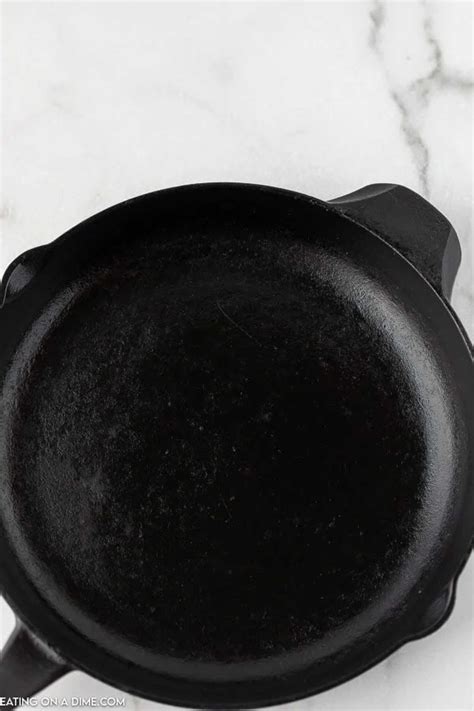
Seasoning isn’t just a fancy term; it’s the process of baking thin layers of oil onto your cast iron, transforming them into a polymerized, hardened layer that bonds to the metal. This layer creates a natural, non-stick surface, protects the pan from rust, and imparts unique flavors to your food. A well-seasoned pan has a dark, satiny finish and offers effortless food release.
Initial Seasoning: Starting Your Skillet’s Journey
Whether you’ve just bought a new, bare cast iron skillet or resurrected an old, rusty one, the initial seasoning is crucial. Most new skillets come ‘pre-seasoned,’ but an extra round or two at home can significantly enhance their performance.
- Clean Thoroughly: For a new pan, wash with hot water and a small amount of soap (yes, for a new pan, a little soap is fine to remove factory residues). For a stripped pan, scrub vigorously with steel wool or a wire brush to remove all rust and old seasoning. Rinse and dry immediately on the stovetop over low heat until all moisture is evaporated.
- Apply Thin Oil Layer: While the pan is still slightly warm, apply a very thin, even layer of high smoke point oil (like grapeseed, flaxseed, canola, or vegetable oil) to every surface of the skillet – inside, outside, and handle. Use a paper towel to wipe off any excess, leaving only a microscopic film. Over-oiling leads to sticky spots.
- Bake It In: Place the skillet upside down on the middle rack of your oven. Place aluminum foil or a baking sheet on the bottom rack to catch any drips. Bake at 450-500°F (230-260°C) for one hour. Turn off the oven and let the skillet cool completely inside. Repeat this process 3-5 times for optimal initial seasoning.
Daily Care: The Secret to Long-Term Maintenance
Consistent care after each use is what truly builds and maintains your skillet’s seasoning over time.
- Clean While Warm: The best time to clean your cast iron is immediately after cooking, while it’s still warm. Use hot water and a stiff brush, non-scratch scrubber, or a cast iron scraper to remove food residue. Avoid harsh soaps or abrasive sponges, as they can strip the seasoning. For stubborn bits, you can add a tablespoon of coarse salt and scrub it with a paper towel.
- Rinse and Dry Immediately: Thoroughly rinse all food particles and salt. Immediately dry the skillet completely. You can place it back on the stovetop over low heat for a few minutes to ensure all moisture evaporates, preventing rust.
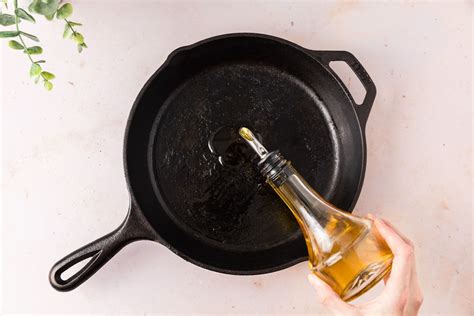
- Apply a Light Oil Coat: Once completely dry and slightly warm, apply another very thin layer of cooking oil (similar to your seasoning oil) using a paper towel. Wipe off any excess. This protects the seasoning and helps build it up with each use.
- Store Properly: Store your cast iron in a dry place. If stacking, place a paper towel between skillets to prevent moisture buildup and scratches.
Re-Seasoning & Troubleshooting Common Issues
Even with the best care, sometimes your cast iron might need a little extra love.
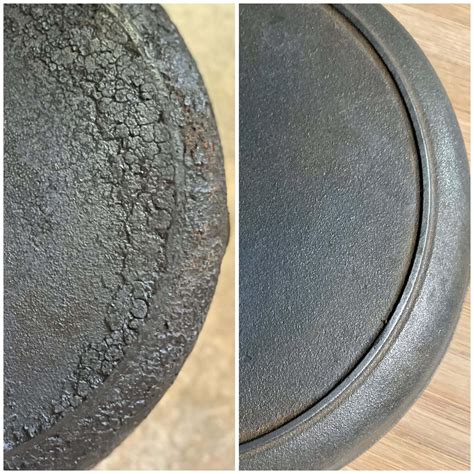
- When to Re-Season: If your pan starts sticking consistently, shows dull spots, or develops minor rust, it’s time for a touch-up. Follow the same seasoning process as the initial steps for a few rounds until the surface is restored.
- Dealing with Rust: Rust is cast iron’s biggest enemy. If you find rust spots, scrub them vigorously with steel wool or a wire brush until the rust is completely gone. Wash, dry, and then immediately proceed with several rounds of seasoning.
- Sticky or Gummy Spots: This usually means too much oil was applied during seasoning, or the pan didn’t get hot enough. To fix, scrub the sticky area with hot water and a stiff brush, then re-season that spot (or the whole pan) with a much thinner coat of oil, ensuring the oven is at a high enough temperature.
Cooking Tips for Your Cast Iron
Using your cast iron correctly also contributes to its seasoning and longevity.
- Preheat Thoroughly: Always preheat your cast iron slowly over medium heat for 5-10 minutes. This ensures even cooking and helps prevent food from sticking.
- Use Enough Fat: Especially when the seasoning is still developing, don’t be shy with butter, oil, or bacon fat. This aids in food release and contributes to the seasoning layer.
- Avoid Acidic Foods (Initially): Highly acidic foods like tomatoes or wine can strip seasoning, especially on newer pans. As your seasoning builds up, the pan will become more resistant, but it’s best to avoid them initially.
- Scrape While Cooking: Use a metal spatula with a flat edge to scrape up any fond (browned bits) while cooking. This helps keep the surface smooth and contributes to non-stick properties.

By diligently following these best practices for seasoning and maintenance, your cast iron skillet won’t just be a piece of cookware; it will become a trusted heirloom, improving with every meal and serving you faithfully for a lifetime, and perhaps even beyond.