




Best practices for storing homegrown root vegetables through winter without a root cellar?

For many home gardeners, the joy of harvest extends beyond the growing season. Keeping a steady supply of homegrown root vegetables through the cold winter months is a rewarding endeavor, even if you don’t have the luxury of a traditional root cellar. With a few clever strategies and a bit of preparation, you can enjoy your carrots, potatoes, beets, parsnips, and more, fresh from your own garden, long after the first frost.
Essential Pre-Storage Steps
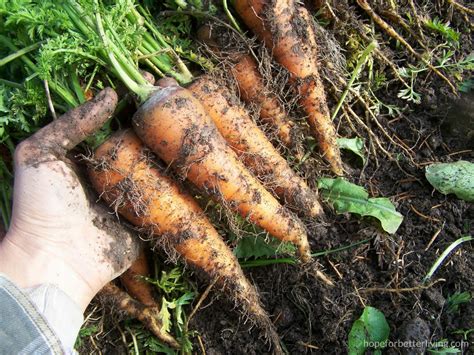
Before any long-term storage method, proper preparation is key to preventing spoilage. First, gently harvest your root vegetables on a dry day, taking care not to bruise them. Bruised vegetables rot quickly. For most root crops like carrots, beets, and parsnips, trim off the green tops immediately, leaving about an inch of stem to prevent moisture loss. Potatoes and sweet potatoes, however, benefit from a “curing” period of 1-2 weeks in a cool, dark, humid place (around 50-60°F / 10-15°C) to toughen their skins and heal any minor nicks, which significantly extends their shelf life.
Crucially, do not wash your root vegetables before storage. The dirt clinging to them offers a layer of protection. Instead, gently brush off any large clumps of soil. Washing can introduce moisture and encourage mold growth. Inspect each vegetable thoroughly, removing any that show signs of damage, disease, or pests, as one bad apple (or carrot!) can spoil the whole batch.
Refrigeration: Short-Term & Small Batches
Your refrigerator’s crisper drawer is an excellent option for storing smaller quantities of root vegetables for several weeks to a couple of months. For optimal results, place vegetables like carrots, beets, and parsnips in perforated plastic bags or containers lined with a damp paper towel. The perforation allows for minimal air circulation while the damp towel maintains a high humidity, preventing them from drying out and becoming rubbery. Keep them separate from fruits that emit ethylene gas (like apples), as ethylene can accelerate spoilage in root vegetables.
Cold, Dark, & Humid: Unheated Spaces
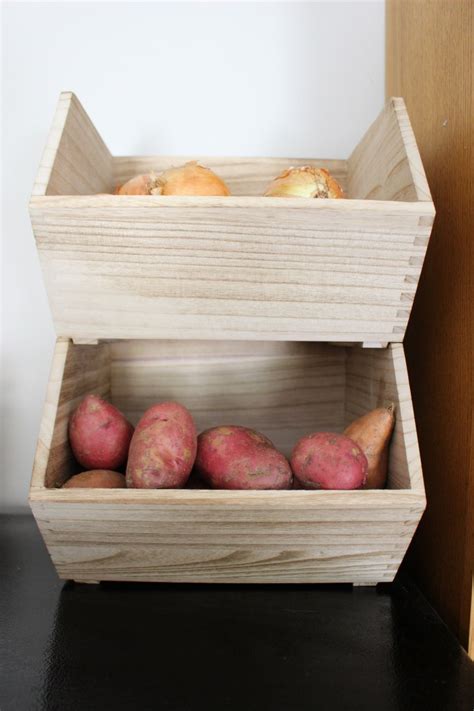
If you have an unheated garage, shed, or a cool corner of your basement, these spaces can mimic root cellar conditions remarkably well. The ideal temperature range for most root vegetables is just above freezing, around 35-50°F (2-10°C), with high humidity. Potatoes, turnips, and rutabagas thrive in these conditions. Store them in sturdy bins, baskets, or burlap sacks that allow for good air circulation. Ensure they are protected from direct sunlight, freezing temperatures, and potential pests. Regularly check for signs of spoilage and remove any affected vegetables promptly.
Sand or Sawdust Packing: The Classic Method
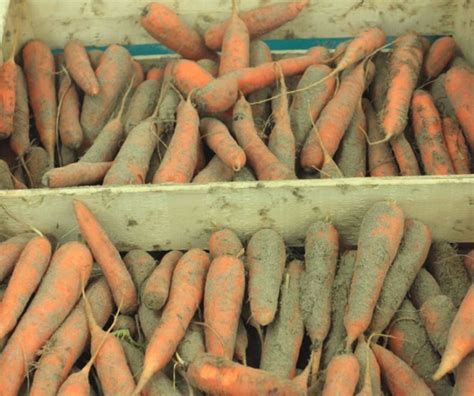
This traditional method is highly effective for keeping root vegetables firm and fresh for months. Find a sturdy plastic bin, wooden crate, or galvanized steel container. Layer about 2-3 inches of slightly damp sand, peat moss, or sawdust at the bottom. Place your trimmed, unwashed root vegetables (carrots, beets, parsnips, radishes) in a single layer, ensuring they don’t touch each other. Cover them with another layer of damp material, then add more vegetables, continuing until the container is full. The damp medium provides essential humidity and prevents cross-contamination. Store the container in a cool, dark place (like an unheated garage or basement).
Freezing or Canning: Long-Term Preservation
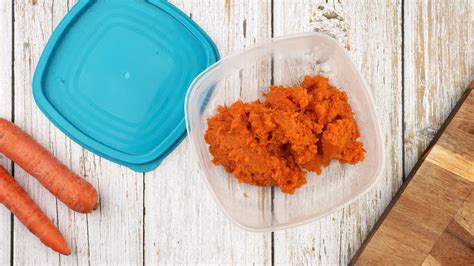
When fresh storage isn’t feasible or you have an abundance, processing your root vegetables for freezing or canning offers excellent long-term solutions. Most root vegetables like carrots, beets, and parsnips can be blanched, diced or sliced, and then frozen for up to a year. Blanching—briefly boiling and then rapidly cooling—stops enzyme action that causes spoilage and helps retain color and nutrients. For beets, cooking and pickling or canning them in jars are popular options. Always follow tested recipes and proper canning procedures to ensure food safety.
Dehydrating: Light & Space-Saving
While not for all root vegetables, dehydrating is a fantastic way to preserve certain crops and save space. Carrots, parsnips, and even beets can be sliced thinly and dried using a food dehydrator or a low oven. Once completely dry and crisp, store them in airtight containers in a cool, dark pantry. Rehydrated vegetables can be added to soups, stews, or casseroles throughout the winter.
Tips for Success
- Monitor Regularly: Check your stored vegetables every few weeks for any signs of spoilage, mold, or pests. Remove any compromised items immediately.
- Good Airflow: Avoid tightly packing vegetables, especially when using bins or sacks without packing material. Good circulation helps prevent rot.
- Consistent Temperature: Fluctuations in temperature can cause condensation and accelerate spoilage. Strive for a stable, cool environment.
- Rodent Protection: If storing in a garage or shed, ensure containers are rodent-proof. Metal bins or sturdy plastic with tight lids are best.
Even without a dedicated root cellar, with a bit of planning and these practical methods, you can successfully store a significant portion of your homegrown root vegetable harvest. Enjoy the satisfaction of reaching for your own garden produce, fresh and delicious, all winter long!