




Best ‘real food’ BTS strategy to turn kitchen mishaps into authentic reader connection?

In the polished world of food content, where every dish looks magazine-ready and every recipe perfectly executed, it’s easy for creators to feel the pressure of perfection. However, the most successful and beloved food bloggers and chefs often employ a counter-intuitive strategy: they reveal their kitchen mishaps. This ‘behind the scenes’ (BTS) approach, celebrating the real, imperfect journey of cooking, is a goldmine for forging authentic connections with your audience.
The Power of Imperfection and Relatability
No one’s kitchen journey is seamless. From burnt edges and collapsed soufflés to forgotten ingredients and accidental substitutions, culinary blunders are a universal experience. When you peel back the curtain and share these less-than-perfect moments, you show your audience that you’re human, just like them. This vulnerability instantly breaks down barriers, making you more approachable and your content more trustworthy. Instead of an aspirational, unattainable ideal, you become a relatable guide, navigating the same culinary challenges your readers face.
Embracing the ‘real food’ aspect isn’t just about showing an unfinished dish; it’s about showcasing the entire, often messy, process. It’s in these moments of struggle and recovery that your authentic voice shines through, creating a deep bond that glossy photos alone can’t achieve.

Strategies for Turning Fails into Wins
1. Embrace the ‘Ugly Delicious’
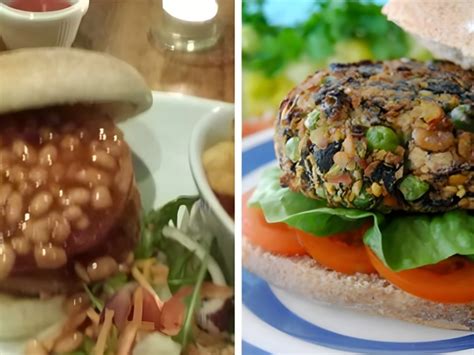
Not every dish will be a visual masterpiece, but it can still taste incredible. Share photos or videos of dishes that didn’t quite make it to the beauty shot but were still delicious. Explain what went wrong visually and why it didn’t impact the flavor, or how you salvaged it. This teaches readers that perfection isn’t the only goal and encourages them to experiment fearlessly.
2. Tell the Story Behind the Struggle
Did a recipe take five tries to get right? Did you accidentally use salt instead of sugar? Share the full narrative. Detail the problem, your frustration, and how you troubleshooted or laughed it off. Humor is a powerful tool for connection; self-deprecating humor about kitchen fails can make your audience chuckle and feel closer to you.
3. Invite Interaction and Solutions
Turn your mishaps into a community discussion. Ask your readers if they’ve experienced similar fails and how they resolved them. This not only generates engagement but also provides valuable insights and makes your audience feel like active participants in your culinary journey. You can even create dedicated ‘Fail Friday’ posts or ‘Kitchen Confession’ segments.
4. Show the Learning Curve
Every mistake is an opportunity to learn. Explain what you learned from a particular mishap and how it made you a better cook. This demonstrates growth and resilience, inspiring your audience to view their own cooking errors as stepping stones rather than setbacks. It reinforces the idea that cooking is a skill developed over time, not an innate talent.
Building a Community of Trust
By consistently showcasing the reality of cooking – the good, the bad, and the slightly burnt – you build a foundation of trust with your audience. They see you as an authentic voice, someone who understands their struggles and celebrates their small victories. This authenticity transcends mere recipes; it fosters a community where shared experiences and mutual learning are valued. Readers are more likely to return, recommend your content, and engage deeply when they feel a genuine connection.
Ultimately, the best ‘real food’ BTS strategy is to stop chasing an unrealistic ideal and start embracing the beautiful, messy truth of the kitchen. Your mishaps aren’t failures; they’re opportunities for connection, humor, and shared humanity. So, next time your souffle collapses or your sauce curdles, don’t hide it – share it. Your audience will thank you for it, and your community will grow stronger for it.