Best real food pantry swaps for traditional country recipes?

Traditional country recipes often evoke warmth, comfort, and a sense of home. Think hearty stews, rich gravies, flaky biscuits, and sweet pies – dishes passed down through generations. While these recipes are delicious and deeply nostalgic, many were developed in times when highly processed ingredients were either staples or considered convenient. Today, with a greater understanding of nutrition and a desire for healthier eating, many home cooks are looking for ways to adapt these beloved classics using real, whole food ingredients.
Making real food swaps in your country cooking doesn’t mean reinventing the wheel or sacrificing the soulful flavors you cherish. Instead, it’s about choosing less processed, more nutrient-dense alternatives that can often enhance the dish’s complexity and nutritional profile. Let’s explore some of the best pantry swaps to bring your favorite country recipes into a healthier, real food focus.
Fats & Oils: The Foundation of Flavor
Many traditional country recipes rely heavily on fats like shortening, margarine, or conventional vegetable oils. While they contribute to texture and flavor, there are superior, real food alternatives that offer better nutrition and often more robust taste.
- Swap Shortening/Margarine for: Unsalted butter (grass-fed for extra nutrients), lard (from pasture-raised pigs), or coconut oil. These options provide healthy fats and can impart a richer, more authentic flavor to baked goods, fried foods, and gravies.
- Swap Vegetable Oils (Canola, Soybean) for: Avocado oil, olive oil, or ghee. Avocado oil has a high smoke point, making it excellent for frying, while olive oil is fantastic for sautéing and dressings. Ghee, clarified butter, offers a nutty flavor and is lactose-free.
Flour Power: Whole Grains for Wholesome Baking
White all-purpose flour is a staple in most country baking, from biscuits to pie crusts. Swapping to whole grain options can significantly boost fiber and nutrient content.
- Swap All-Purpose Flour for: Whole wheat pastry flour (for a lighter texture in baked goods), spelt flour, or a 50/50 blend of whole wheat and all-purpose flour as you transition. For specific recipes like gravies or thickening, a blend can work well. Gluten-free alternatives like almond flour or cassava flour can also be used, though they often require recipe adjustments.
Sweeteners: A Naturally Sweeter Approach
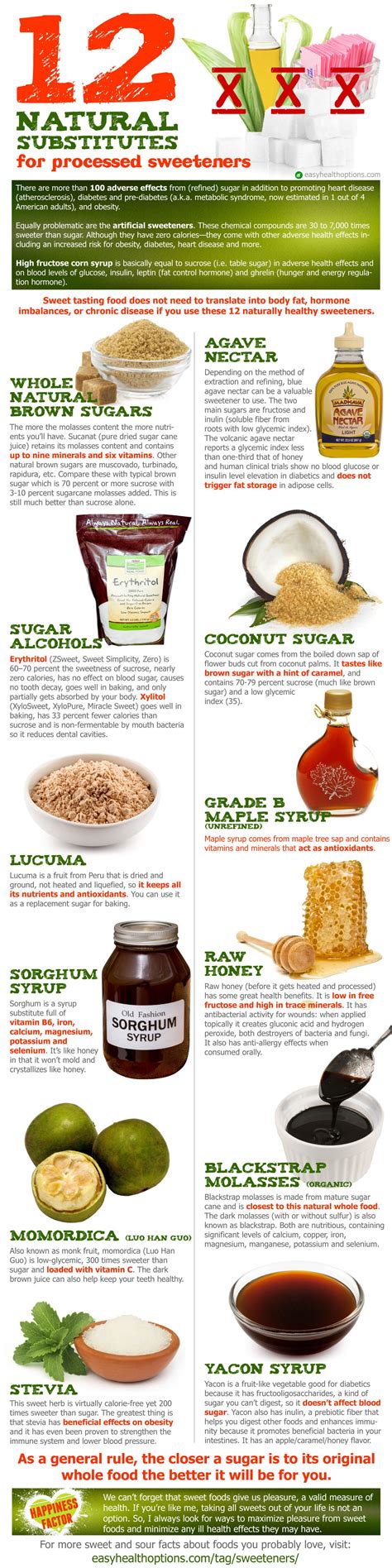
Refined white sugar is ubiquitous in traditional desserts. Healthier, natural sweeteners can add depth of flavor and provide some additional nutrients.
- Swap White Sugar for: Maple syrup, honey, coconut sugar, or date sugar. These natural sweeteners can often be substituted cup-for-cup or with slight adjustments. Maple syrup and honey are excellent in pecan pies or sweet potato casseroles, while coconut sugar provides a caramel-like note perfect for brown sugars.
Canned Goods & Processed Mixes: Scratch is Best
Many country recipes utilize convenience items like canned cream soups, bouillon cubes, or packaged spice mixes. Making these from scratch is easier than you think and drastically improves quality.
- Swap Canned Cream of X Soup for: Homemade béchamel sauce (roux with whole milk), or a cashew cream blended with broth. For a healthier version, combine homemade broth with a little whole milk or cream, thickened with a small amount of whole wheat flour or cornstarch slurry.
- Swap Bouillon Cubes/Powder for: High-quality bone broth or homemade vegetable broth. These provide richer flavor and are free from artificial flavors and excessive sodium.
- Swap Packaged Spice Mixes for: Your own blend of individual herbs and spices. This allows you to control the sodium and avoid anti-caking agents and other additives.

Meats & Dairy: Quality Over Quantity
The quality of your meat and dairy products can profoundly impact both the taste and nutritional value of your country dishes.
- Swap Conventional Meats for: Pasture-raised, grass-fed, or organic meats. This applies to ground beef for chili, pork for pulled pork, and chicken for fried chicken. These choices often have a better fat profile and more robust flavor. Look for uncured bacon and sausage made with simple ingredients.
- Swap Conventional Dairy for: Full-fat, organic, or grass-fed dairy products. For milk, cheese, and cream, choosing higher quality options means fewer hormones, antibiotics, and often a richer taste.
Making the Transition: Tips for Success
Integrating real food swaps into your traditional country recipes can be a gradual and rewarding process. Here are a few tips to ensure success:
- Start Small: Don’t feel pressured to overhaul every recipe at once. Choose one or two swaps that feel manageable, like replacing white sugar with maple syrup in your apple pie or using real butter instead of shortening in biscuits.
- Taste and Adjust: Real food ingredients often have more complex flavors, so you might need to adjust seasonings. For example, natural sweeteners are often sweeter than refined sugar, so you might use slightly less.
- Embrace Experimentation: Cooking is an art, not a science. Don’t be afraid to try new combinations or adjust ratios. Keep notes on what works and what doesn’t.
- Focus on Flavor: The goal isn’t just health; it’s also about enhancing the natural deliciousness of your food. Real ingredients often bring a depth of flavor that processed alternatives simply can’t match.
By thoughtfully choosing real food pantry swaps, you can continue to enjoy the comforting traditions of country cooking while nourishing your body with wholesome, delicious ingredients. It’s a journey of discovery that celebrates both heritage and health, proving that you don’t have to compromise on either.