

Best real food recipe to preserve garden bounty from scratch?

Embrace the Harvest: Real Food Preservation from Your Garden
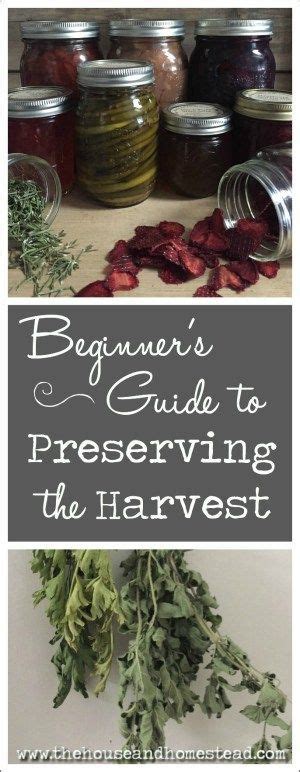
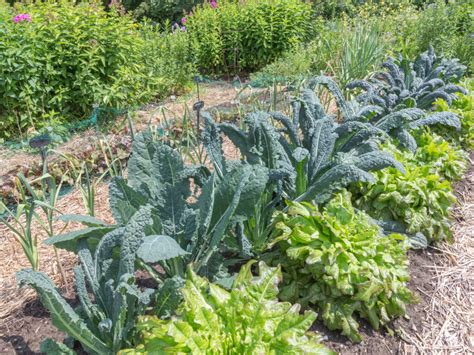
The joy of a flourishing garden is unparalleled, but what do you do when your bounty overflows? The answer lies in time-honored real food preservation techniques that transform your fresh produce into delicious, wholesome staples for the months ahead. Moving beyond store-bought preservatives and additives, preserving from scratch means locking in peak flavor and nutrients, ensuring you enjoy the true taste of summer long after the growing season ends. It’s an act of self-sufficiency, a culinary adventure, and a commitment to healthy eating.
From tangy ferments to vibrant canned sauces and nutrient-packed frozen produce, there’s a real food method for almost every type of garden yield. We’ll explore some of the most accessible and rewarding ways to keep your pantry stocked with homemade goodness.
Canning Perfection: Homemade Crushed Tomatoes & Salsa Base
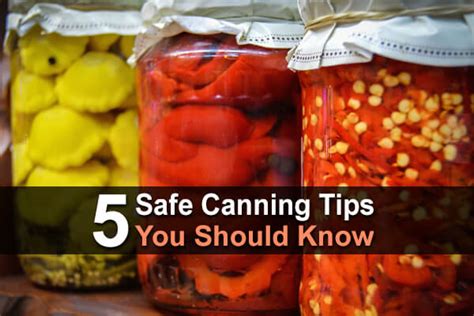
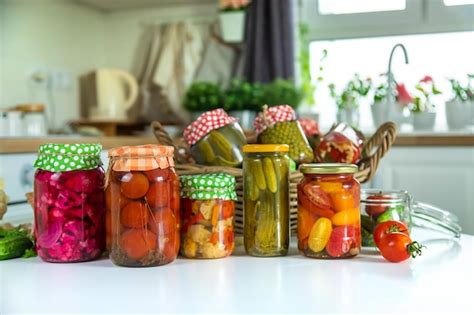
Few things encapsulate the taste of summer like vine-ripened tomatoes. Canning them is a fantastic way to capture that essence. A versatile crushed tomato recipe can serve as the base for sauces, soups, and even a quick salsa. For canning, always use high-acid tomatoes or add an acid like lemon juice or citric acid to ensure safety.
Ingredients:
- 5 lbs ripe tomatoes (Roma or paste tomatoes work best)
- 1/4 cup fresh basil, chopped
- 2 cloves garlic, minced (optional)
- 1 tbsp sea salt
- 2 tbsp lemon juice or 1/2 tsp citric acid per quart jar (for safety)
Instructions:
- Wash tomatoes thoroughly. Blanch them briefly in boiling water (30-60 seconds) then transfer to an ice bath to easily remove skins. Core and roughly chop.
- In a large, non-reactive pot, combine chopped tomatoes, basil, garlic (if using), and salt. Bring to a simmer over medium heat, crushing tomatoes gently with a potato masher or spoon as they soften. Continue to simmer for 20-30 minutes, or until desired consistency is reached.
- Sterilize canning jars and lids. Add lemon juice or citric acid to each jar.
- Ladle hot tomato mixture into hot jars, leaving 1/2 inch headspace. Remove air bubbles, wipe rims, and center lids. Screw bands fingertip tight.
- Process jars in a boiling water canner according to your altitude and jar size (typically 35-45 minutes for quarts). Allow jars to cool undisturbed for 12-24 hours. Check seals before storing.
Quick Pickling: Zesty Refrigerator Delights
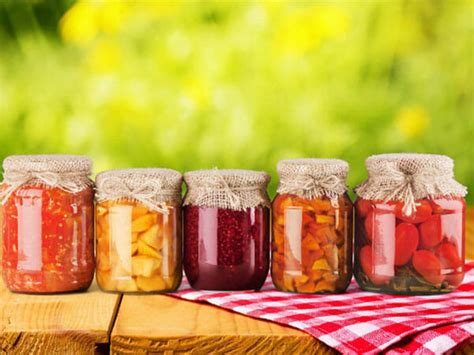
For a quicker, less intensive preservation method, refrigerator pickles are a revelation. They don’t require canning equipment and are ready to eat in just a few days, perfect for cucumbers, carrots, green beans, or even radishes.
Ingredients:
- 2 cups mixed vegetables, sliced (cucumbers, carrots, green beans)
- 1 cup white vinegar
- 1 cup water
- 1 tbsp pickling salt
- 1 tsp sugar (optional)
- Spices: 1 tsp dill seeds, 1/2 tsp mustard seeds, 2-3 garlic cloves, peeled
Instructions:
- Wash and prepare vegetables. Pack tightly into clean pint jars.
- In a saucepan, combine vinegar, water, pickling salt, and sugar (if using). Bring to a boil, stirring until salt and sugar dissolve.
- Add spices to each jar. Pour hot brine over the vegetables, ensuring they are fully submerged.
- Tap jars gently to release air bubbles. Seal with lids and let cool to room temperature before refrigerating. Pickles are best after 2-3 days and will last several weeks in the fridge.
Freezing Freshness: Herb Cubes & Pesto
Freezing is perhaps the simplest way to preserve the vibrancy of herbs and vegetables. You can freeze whole berries, blanched vegetables, or even create convenient herb cubes for future cooking.
Herb Cubes:
Finely chop herbs like basil, parsley, or cilantro. Pack them into ice cube trays, top with a little olive oil or water, and freeze. Once solid, transfer the cubes to freezer bags. Pop one out whenever you need fresh herbs for soups, stews, or sautéed dishes.
Pesto:
Blend fresh basil, pine nuts, garlic, Parmesan cheese, and olive oil into a classic pesto. Spoon into small containers or ice cube trays, leaving about 1/2 inch headspace, and freeze. Thaw for pasta, sandwiches, or as a flavorful spread.

General Tips for Successful Real Food Preservation
- Harvest at Peak: For the best flavor and nutritional value, preserve produce at its peak ripeness.
- Cleanliness is Key: Always use thoroughly cleaned and sterilized equipment to prevent spoilage and ensure safety.
- Follow Recipes: Especially for canning, adhere to tested recipes and guidelines to avoid health risks.
- Label Everything: Include the date and contents on your preserved goods.
- Store Properly: Keep canned goods in a cool, dark place. Frozen items should maintain a consistent temperature below 0°F (-18°C).
Embracing real food preservation from your garden bounty is more than just a chore; it’s a rewarding journey that connects you deeper to your food, your health, and the changing seasons. With a little effort, you can enjoy the fruits (and vegetables!) of your labor all year long, savoring the taste of your own hard work and the wholesome goodness of nature.