




Best real food recipes for preserving a bountiful garden harvest?

A thriving garden offers an unparalleled bounty, but with great harvests comes the pleasant challenge of preservation. Moving beyond processed options, embracing real food recipes not only ensures healthier meals but also allows the pure, vibrant flavors of your produce to shine through all year. Here’s a guide to transforming your garden’s abundance into pantry staples with delicious, wholesome methods.
Canning Classics for Year-Round Enjoyment
Canning is a time-honored tradition that seals the freshness of your harvest into jars. It’s perfect for high-acid foods or pressure canning low-acid vegetables, creating shelf-stable goodness without refrigeration. Focusing on real food means skipping artificial thickeners and preservatives.
Homemade Tomato Sauce and Paste
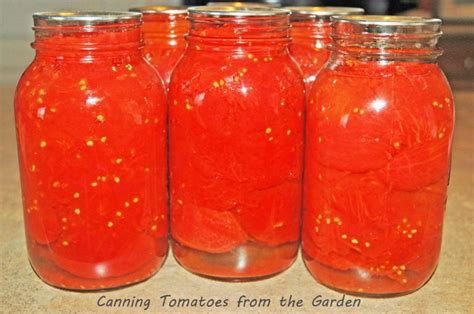
Nothing beats the taste of homemade tomato sauce made from sun-ripened garden tomatoes. Simply blanch, peel, and crush your tomatoes, then simmer with fresh basil, oregano, and a touch of sea salt until thickened. For paste, continue to reduce the sauce until it reaches a thick, concentrated consistency. Both can be water-bath canned for long-term storage, providing a foundation for countless meals.
Dill Pickles and Relishes
Crisp dill pickles are a garden staple. Use small, firm cucumbers, fresh dill heads, garlic, and pickling spice. A simple brine of vinegar, water, and salt works wonders. Similarly, garden-fresh relishes made from chopped cucumbers, peppers, and onions in a sweet-and-sour brine add zest to any dish. These are perfect candidates for water-bath canning.
Freezing for Freshness and Convenience
Freezing is perhaps the simplest preservation method, locking in nutrients and flavor with minimal effort. It’s excellent for maintaining the texture and vibrant color of many vegetables and fruits.
Blanched Vegetables
Most garden vegetables, from green beans and broccoli to corn and peas, benefit from blanching before freezing. This quick dip in boiling water followed by an ice bath stops enzyme action, preserving color, flavor, and nutrients. Once blanched and cooled, spread them on baking sheets to flash freeze before transferring to freezer bags to prevent clumping.
Fruit Purees and Whole Berries
For fruits like berries, peaches, or plums, freezing is incredibly straightforward. Whole berries can be frozen on a tray and then bagged. For purees, simply blend your chosen fruit (with a touch of lemon juice if desired to prevent browning) and freeze in ice cube trays or freezer-safe containers. These are perfect for smoothies, sauces, or baking.

Dehydrating Delights for Concentrated Flavor
Dehydrating removes water content, concentrating flavors and making food lightweight and shelf-stable without refrigeration. It’s an ancient technique perfect for herbs, fruits, and even some vegetables.
Dried Herbs and Herb Blends
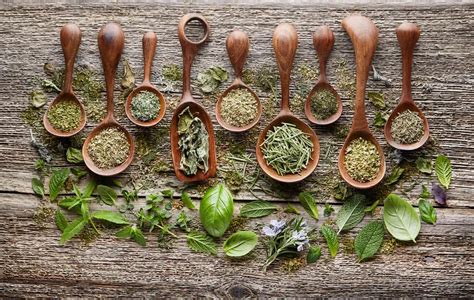
Bundle fresh herbs like oregano, thyme, and rosemary and hang them in a dry, dark place, or use a dehydrator on a low setting. Once crisp, crumble them and store in airtight containers. You can also create your own custom herb blends for seasoning.
Fruit Leathers and Sun-Dried Tomatoes
Transform overripe fruits into healthy fruit leathers by pureeing them and spreading thinly on dehydrator sheets. Garden tomatoes, sliced and slowly dried, become intensely flavorful sun-dried tomatoes, perfect for salads, pasta, or snacking. These can be stored in airtight containers or packed in olive oil.
Fermenting for Flavor, Probiotics, and Longevity
Fermentation is a fantastic way to preserve food while enhancing its nutritional value through beneficial probiotics. It’s a low-energy method that yields incredibly flavorful results.
Classic Sauerkraut and Kimchi
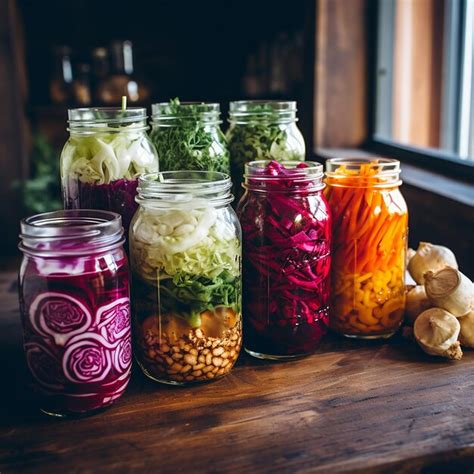
Cabbage is the star of fermentation. For sauerkraut, finely shred cabbage, massage with salt, and pack tightly into a jar, allowing the natural brining process to occur. For kimchi, combine cabbage with a spicy paste of gochugaru, garlic, ginger, and other vegetables. Both ferment at room temperature and offer a tangy, probiotic-rich addition to any meal.
Lacto-Fermented Pickles and Vegetables
Beyond traditional dill pickles, lacto-fermentation uses a salt brine to preserve cucumbers, carrots, green beans, or even bell peppers. The process is simple: pack vegetables into a jar with spices, cover with a salt brine, and let nature do its work. The result is a tangy, crunchy, and gut-healthy snack.
Essential Tips for Successful Real Food Preservation
- Start with Quality: Always use the freshest, highest-quality produce for preservation.
- Cleanliness is Key: Sanitize all equipment, jars, and utensils to prevent spoilage.
- Follow Recipes: Especially with canning and fermentation, precise recipes and methods ensure safety and desired results.
- Label and Date: Keep track of what you’ve preserved and when to ensure optimal freshness.
- Storage Matters: Store preserved foods in a cool, dark place (for canned goods) or freezer (for frozen items).
Embracing real food preservation methods for your garden harvest is a rewarding endeavor. It connects you more deeply to your food source, reduces waste, and fills your pantry with wholesome, delicious ingredients. Experiment with these recipes and techniques, and savor the taste of your garden’s bounty throughout the year.