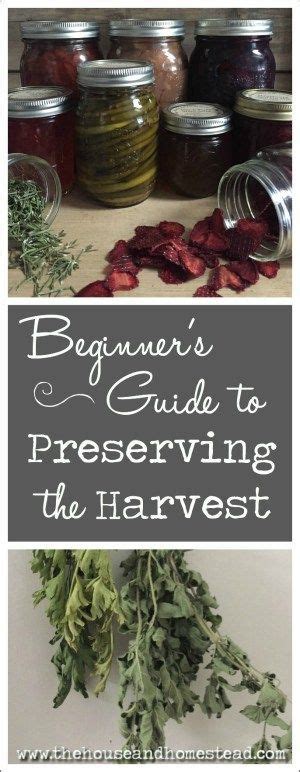
Best real food recipes for preserving a summer garden’s abundant produce?

Embracing the Abundance: Real Food Ways to Preserve Your Summer Garden’s Harvest
As summer peaks, our gardens often explode with a vibrant bounty of fruits and vegetables. From sun-ripened tomatoes and crisp cucumbers to sweet berries and earthy greens, the challenge quickly shifts from growing to gracefully preserving this abundance. The good news? You don’t need artificial additives or complicated processes to keep your harvest tasting fresh all year long. This guide explores the best real food recipes and methods to preserve your summer garden’s produce, ensuring delicious, wholesome meals even in the depths of winter.

Traditional Canning: Jams, Jellies, and Pickles
Canning is a time-honored method for sealing in freshness. While it might seem daunting, water bath canning for high-acid foods is straightforward and incredibly rewarding. For your sweet garden treasures:
- Homemade Berry Jams & Jellies: Strawberries, raspberries, blueberries, and blackberries transform into delightful spreads with just sugar, pectin (optional), and lemon juice. These are perfect for toast, yogurt, or as fillings for pastries.
- Tomato Sauce & Salsa: Overrun with tomatoes? Cook them down into rich, flavorful sauce or zesty salsa. These can be safely water-bath canned with added acid (lemon juice or vinegar) and stored for months.
And for the savory:
- Crisp Dill Pickles: Cucumbers are a pickler’s dream. A simple brine of vinegar, water, salt, garlic, and dill turns them into crunchy, tangy treats.
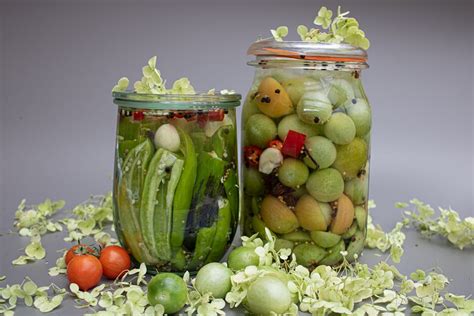
- Pickled Green Beans or Okra: Don’t stop at cucumbers! Green beans, okra, and even bell peppers can be pickled for a unique, savory snack or side dish.
Freezing for Freshness: A Quick and Easy Method
Freezing is perhaps the simplest way to preserve most vegetables and many fruits, locking in their nutritional value and flavor with minimal effort. The key for many vegetables is blanching first.
- Blanched Vegetables: Corn, green beans, broccoli, peas, and spinach benefit from a quick dip in boiling water followed by an ice bath before freezing. This stops enzyme action, preserving color, texture, and nutrients. Flash freeze them on a baking sheet before transferring to freezer bags to prevent clumping.
- Berries & Fruit Pieces: Wash and dry berries thoroughly, then spread them in a single layer on a baking sheet to freeze solid. Once frozen, transfer to freezer-safe bags. This prevents them from sticking together, making them easy to use in smoothies, baking, or desserts.
- Herb Purees & Pesto Cubes: Blend excess basil, parsley, or other herbs with olive oil and freeze in ice cube trays. These “flavor bombs” are perfect for adding to soups, stews, or pasta dishes all winter long.

Dehydrating: Concentrating Flavor and Nutrients
Dehydration removes water content, inhibiting spoilage and concentrating flavors. A food dehydrator is ideal, but a low oven setting can also work.
- Dried Herbs: Basil, oregano, thyme, and rosemary dry beautifully, retaining their aromatic qualities for cooking.
- Sun-Dried Tomatoes: Slice ripe tomatoes and dry them until leathery. Store in airtight containers or packed in olive oil (refrigerated).
- Fruit Leathers: Puree overripe fruit (peaches, apples, berries) and spread thinly on dehydrator sheets. These make healthy, portable snacks.
Fermentation: Live Food for Gut Health
Fermentation is an ancient art that not only preserves food but also enhances its nutritional value by creating beneficial probiotics. It’s surprisingly simple to do at home.
- Lacto-Fermented Pickles: Instead of vinegar, cucumbers are submerged in a salt brine, allowing beneficial bacteria to convert sugars into lactic acid. This results in incredibly flavorful, gut-healthy pickles.
- Sauerkraut & Kimchi: Shredded cabbage (and other vegetables for kimchi) massaged with salt and allowed to ferment creates a probiotic powerhouse.

Tips for Successful Real Food Preservation
- Start with Fresh Produce: The quality of your preserved food directly reflects the quality of your fresh ingredients.
- Cleanliness is Key: Especially for canning and fermenting, ensure all equipment is meticulously clean to prevent spoilage.
- Follow Tested Recipes: When canning, always use tested recipes from reputable sources (like USDA guidelines) to ensure food safety, especially for low-acid foods.
- Label and Date: Clearly label all your jars and bags with contents and date of preservation.

Enjoying Your Hard Work All Year Long
Preserving your summer garden’s bounty with real food recipes is a deeply satisfying endeavor. Not only does it reduce waste and provide healthy, delicious food for your family, but it also extends the joy of your garden throughout the year. Experiment with these methods, find your favorites, and savor the taste of summer long after the growing season has ended.