Best real food recipes for preserving garden abundance simply?

Harnessing Your Harvest: Simple Real Food Preservation
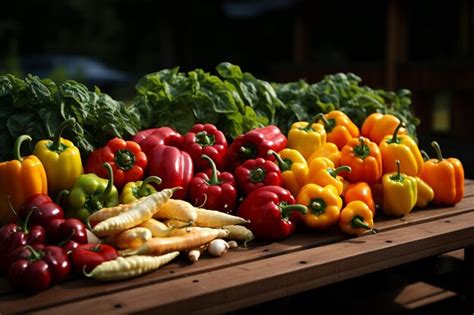
The joy of a bountiful garden harvest is unparalleled, yet the sheer volume of produce can sometimes feel overwhelming. The challenge then becomes how to preserve this fresh abundance without resorting to complex processes or artificial ingredients. The good news is that simple, real food preservation methods allow you to capture the peak flavor and nutrition of your garden for months to come, with minimal fuss and maximum reward.
Embracing real food preservation means focusing on techniques that maintain the integrity of your ingredients, using methods proven over generations. Forget complicated additives; think natural flavors and wholesome goodness that your family will appreciate long after the growing season ends.
Why Simple Real Food Preservation Matters
Opting for real food preservation methods aligns perfectly with a healthy lifestyle. It puts you in control of what goes into your food, eliminating unwanted sugars, salts, and preservatives often found in store-bought options. Furthermore, these simpler techniques often require less specialized equipment, making them accessible to any home gardener keen on extending their harvest.
From the vibrant burst of summer berries to the earthy richness of autumn tomatoes, preserving your garden’s yield allows you to enjoy seasonal flavors year-round. It’s a sustainable practice that reduces food waste, saves money, and connects you more deeply with the food you eat.
Easy Preservation Techniques and Recipes
Freezing: The Ultimate Convenience
Freezing is arguably the easiest and most versatile method for preserving garden produce. Most vegetables benefit from a quick blanching before freezing to maintain color, texture, and nutrients. Fruits, on the other hand, can often be frozen raw, either whole or sliced.
- Blanched Green Beans/Broccoli: Blanch for 2-3 minutes, cool quickly in ice water, drain thoroughly, and freeze in a single layer on a baking sheet before transferring to freezer bags.
- Whole Berries: Wash, dry completely, spread on a baking sheet to freeze solid, then transfer to containers or bags. Perfect for smoothies, pies, or sauces.
- Pesto Cubes: Make your favorite basil pesto, then freeze it in ice cube trays. Once solid, transfer the cubes to a freezer bag for easy portioning throughout the year.

Water Bath Canning: Sweet & Tangy Preserves
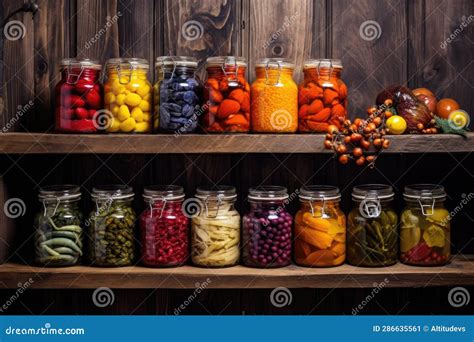
Water bath canning is ideal for high-acid foods like fruits, jams, jellies, pickles, and tomato products (with added acid). It’s a satisfying method that yields shelf-stable jars of deliciousness.
- Simple Tomato Sauce: Cook down ripe tomatoes with a bit of onion, garlic, and herbs. Add a tablespoon of lemon juice or vinegar per pint for safety, then process in a water bath canner.
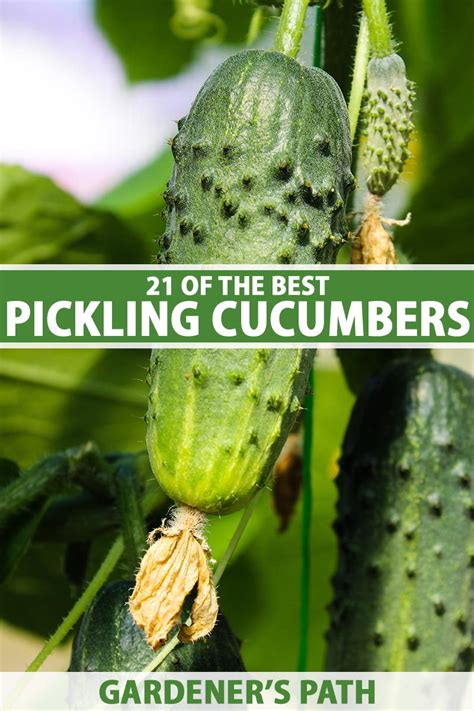
- Quick Dill Pickles: Pack cucumbers into jars with fresh dill, garlic, and pickling spices. Cover with a hot brine of vinegar, water, and salt, then process for crisp, tangy pickles.
- Berry Jam (Low Sugar Option): Combine berries with a small amount of sugar (or fruit pectin for no-sugar versions) and a splash of lemon juice. Cook until thickened, then can in a water bath.

Dehydrating: Concentrated Flavor
Dehydrating removes water from food, concentrating its flavors and making it lightweight and shelf-stable. A food dehydrator or even a low oven can be used.
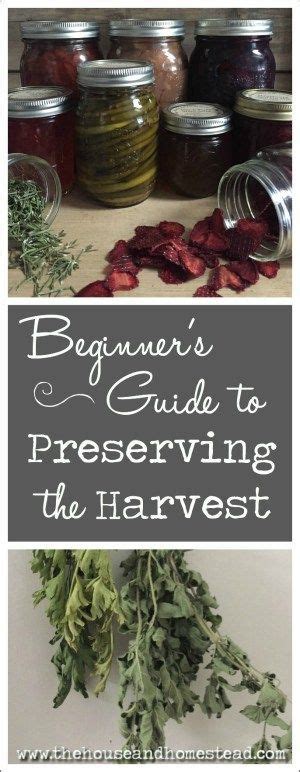
- Dried Herbs: Hang bundles of herbs or lay leaves on dehydrator trays until brittle. Crumble and store in airtight containers.
- Sun-Dried Tomatoes (Oven Method): Slice tomatoes, toss with a little salt and olive oil, and bake at the lowest oven temperature until chewy and leathery. Store in olive oil in the fridge.
- Fruit Leather: Puree ripe fruit, spread thinly on dehydrator sheets, and dry until pliable. A healthy snack for all ages!

Fermentation: Probiotic Powerhouses
Fermentation is an ancient preservation method that not only extends shelf life but also creates beneficial probiotics. It’s surprisingly simple to start with basic ingredients.
- Sauerkraut: Shred cabbage, massage with salt, pack tightly into a jar, and submerge under its own brine. Ferment at room temperature for a few weeks.
- Fermented Dill Pickles: Similar to sauerkraut, whole cucumbers can be fermented in a saltwater brine with dill and garlic for tangy, probiotic-rich pickles.
Embrace the Season, Enjoy Year-Round
Preserving your garden’s bounty doesn’t have to be a daunting task. By choosing simple, real food methods like freezing, water bath canning, dehydrating, and fermentation, you can easily transform your harvest into a pantry full of wholesome, delicious food. These techniques allow you to savor the flavors of your garden long after the last frost, bringing freshness and nutrition to your table all year round.
Start small, experiment with a few methods that appeal to you, and soon you’ll find immense satisfaction in providing healthy, home-preserved food for yourself and your loved ones. The true taste of your garden is just a simple recipe away.