

Best real food recipes for preserving garden harvest simply?

Embrace the Bountiful Harvest with Simple Real Food Preservation
As summer peaks and autumn approaches, gardens overflow with ripe produce, presenting the delightful challenge of how to savor the abundance beyond the growing season. The good news is that preserving your garden’s harvest doesn’t have to be a daunting task involving complex equipment or obscure ingredients. With a focus on real food principles and simple techniques, you can stock your pantry and freezer with wholesome, homegrown goodness.
This article explores practical, easy-to-follow real food recipes and methods to preserve your garden’s bounty, ensuring you enjoy the fruits (and vegetables!) of your labor year-round.
The Foundations of Simple Real Food Preservation
Real food preservation prioritizes minimal processing, natural ingredients, and methods that maintain nutritional value. We’ll explore four primary approaches: freezing, dehydrating, canning, and fermenting. Each offers unique benefits and is suited to different types of produce.
1. Freezing: The Easiest Way to Preserve Freshness
Freezing is perhaps the simplest and least intimidating method for beginners. It requires minimal equipment and preserves the color, flavor, and nutrients of many vegetables and fruits remarkably well.
Simple Freezing Recipes:
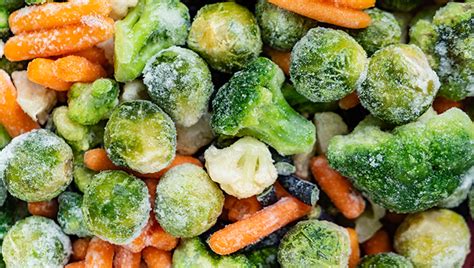
- Blanched Vegetables: Most vegetables (like green beans, corn, broccoli, and peas) benefit from blanching before freezing. Briefly immerse them in boiling water, then immediately plunge into ice water to stop cooking. Drain thoroughly, pat dry, and freeze in a single layer on a baking sheet before transferring to freezer bags or containers. This helps retain color and texture.
- Fruit Purees & Slices: Berries, peaches, and plums can be frozen whole or sliced. For smoothies, consider pureeing fruits and freezing them in ice cube trays.
- Herbs in Oil: Chop fresh herbs (basil, parsley, cilantro) and pack them into ice cube trays. Cover with olive oil or melted butter, then freeze. Once solid, transfer the cubes to a freezer bag for easy use in cooking.
2. Dehydrating: Concentrated Flavor and Shelf Stability
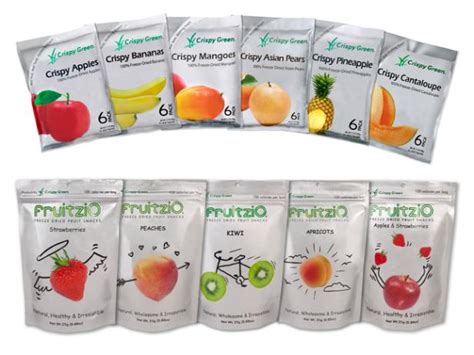
Dehydrating removes moisture from food, inhibiting spoilage and concentrating flavors. While it can take some time, the hands-on effort is minimal, and the result is lightweight, shelf-stable food perfect for snacking or rehydrating in recipes.
Simple Dehydrating Recipes:
- Fruit Leathers: Puree ripe fruit (berries, apples, peaches), spread thinly on dehydrator sheets (or parchment-lined baking sheets for an oven), and dry until pliable.
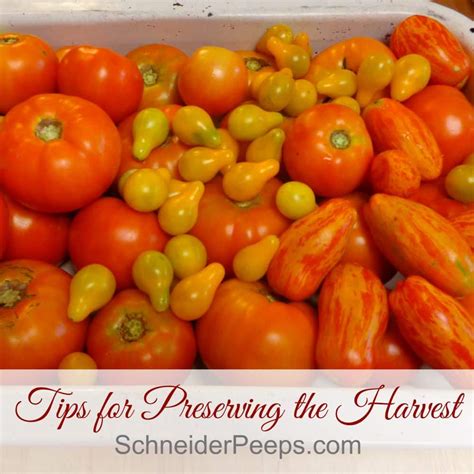
- Sun-Dried Tomatoes (Oven Method): Slice ripe tomatoes thinly, toss with a little salt and herbs if desired, and dry in a low oven (around 175°F/80°C) with the door ajar, or in a dehydrator, until leathery but still pliable. Store in olive oil in the fridge for extended freshness.
- Dried Herbs: Tie small bundles of herbs and hang them in a warm, dry, well-ventilated area, or use a dehydrator on a low setting. Once crisp, crumble and store in airtight jars.
3. Canning: The Classic Way (Simplified for High-Acid Foods)
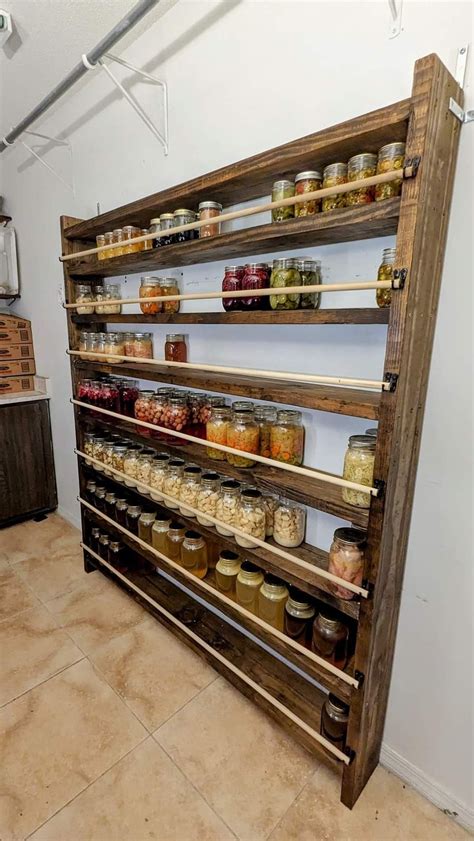
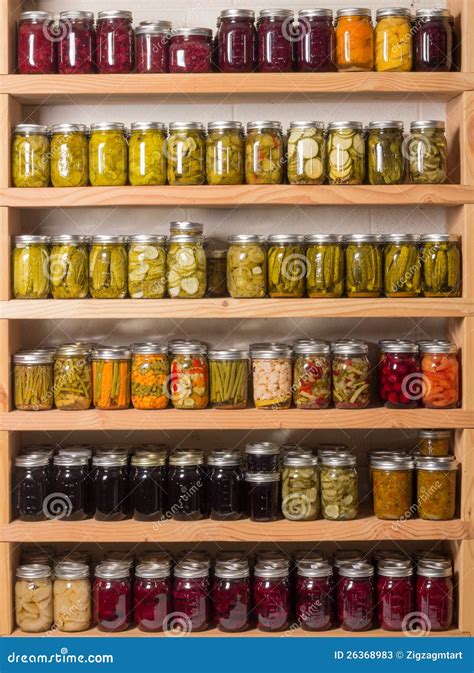
Water bath canning is a fantastic method for high-acid foods like fruits, jams, jellies, pickles, and tomato products (with added acid). It creates an airtight seal, allowing for long-term pantry storage without refrigeration. Always use tested recipes from reliable sources.
Simple Canning Recipes:
- Easy Berry Jam: Combine crushed berries with sugar (or a low-sugar pectin recipe) and lemon juice. Cook until it reaches setting point, then ladle into sterilized jars, leaving proper headspace. Process in a boiling water bath for the recommended time.
- Quick Dill Pickles: Pack sliced cucumbers into jars with fresh dill, garlic, and pickling spices. Pour a hot brine (vinegar, water, salt) over them, ensuring cucumbers are fully submerged. Process in a boiling water bath.
- Crushed Tomato Sauce: Cook down ripe tomatoes until soft, then crush or blend. Season with salt. For water bath canning, you must add bottled lemon juice or citric acid to ensure adequate acidity. Process in a boiling water bath.
4. Fermentation: Probiotic Powerhouse
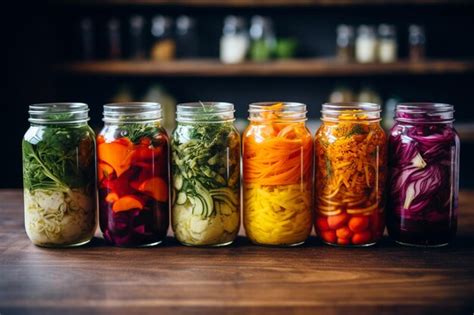
Fermentation uses beneficial bacteria to transform vegetables into tangy, probiotic-rich foods. It’s surprisingly simple and requires minimal equipment.
Simple Fermentation Recipes:
- Basic Sauerkraut: Finely shred cabbage, massage with salt until it releases brine. Pack tightly into a clean jar, ensuring the cabbage is submerged under its own brine. Use a weight to keep it submerged. Cover loosely and ferment at room temperature for 1-3 weeks until desired tanginess is achieved.
- Lacto-Fermented Pickles: Pack whole or sliced cucumbers into a jar with garlic, dill, and pickling spices. Pour a simple brine (water and non-iodized salt) over them, ensuring everything is submerged. Ferment at room temperature for several days until bubbly and tart, then refrigerate.
- Fermented Hot Sauce: Ferment chopped chili peppers with a small amount of garlic and salt in brine for a week or two. Then blend, strain if desired, and bottle.
Creative Ways to Use Your Preserves
Once your preserves are made, the culinary adventure continues! Frozen berries are perfect for smoothies and pies. Dehydrated fruits make excellent snacks or additions to granola. Canned jams brighten toast and yogurt, while pickles and sauerkraut elevate sandwiches, salads, and main dishes.
By investing a little time during peak harvest, you ensure a steady supply of nutritious, flavorful real food throughout the year, connecting you more deeply to your garden and the seasons.
Enjoy Your Garden’s Bounty Year-Round
Preserving your garden harvest simply with real food recipes is a rewarding endeavor that empowers you to eat healthily and sustainably. Whether you choose the ease of freezing, the compact nature of dehydrating, the classic appeal of canning, or the probiotic benefits of fermenting, each method allows you to capture the essence of your garden’s peak flavor. Start with one method, gain confidence, and soon you’ll be a seasoned preserver, enjoying your homegrown goodness all year long.