Best real food recipes for preserving summer’s garden bounty?
Embracing the Abundance: Why Preserve Your Summer Harvest?
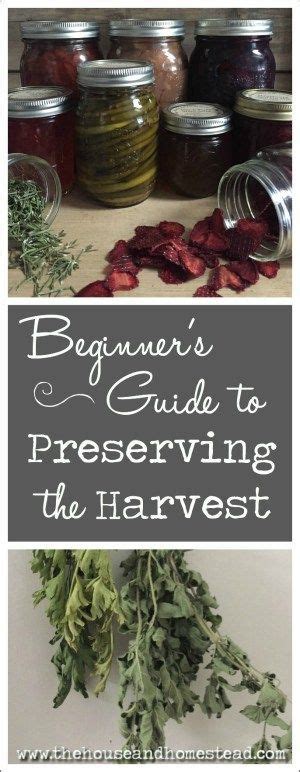
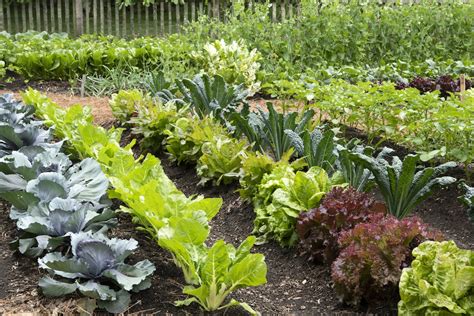
As summer ripens, so too does the bounty of our gardens. Juicy tomatoes, crisp cucumbers, vibrant berries, and fragrant herbs explode with flavor, often far exceeding what we can consume fresh. Rather than letting this precious harvest go to waste, real food preservation offers a wonderful opportunity to capture summer’s essence and enjoy its goodness throughout the colder months. Beyond the economic benefits, preserving your own food ensures you control the ingredients, avoiding artificial additives and excessive sugars often found in store-bought options.
From tangy pickles to sweet jams, vibrant sauces, and perfectly frozen vegetables, these real food recipes allow you to savor the taste of summer long after the season ends, bringing a piece of your garden’s warmth to your winter table.
Classic Preservation Techniques for Real Food Enthusiasts
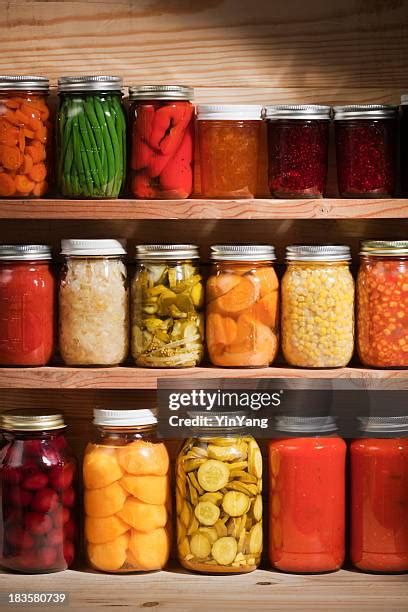
Canning: Jams, Pickles, and More
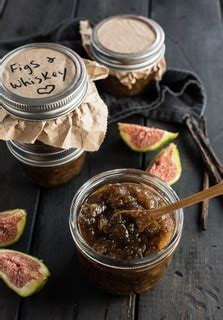
Canning is a time-honored method perfect for shelf-stable preservation. While it might seem intimidating, water bath canning for high-acid foods (like fruits, jams, jellies, and most pickles) and pressure canning for low-acid foods (like vegetables, meats, and soups) are safe and straightforward when following tested recipes and guidelines. Focus on low-sugar options for jams and jellies, using pectin or natural thickeners, and opt for vinegar-based brines for crisp pickles.
- Roasted Tomato Sauce: Roast ripe tomatoes with garlic and herbs, then purée and water bath can for a rich, flavorful sauce.
- Low-Sugar Berry Jam: Combine fresh berries with minimal sugar and a natural pectin source.
- Dilly Beans: Crisp green beans pickled with dill, garlic, and vinegar.
- Spicy Bread and Butter Pickles: Sweet and tangy cucumber slices with a hint of spice.
Freezing: Simple & Effective
Freezing is perhaps the easiest method for preserving garden produce, maintaining much of its fresh flavor and nutritional value. Most vegetables benefit from a quick blanching before freezing to lock in color and nutrients, while fruits can often be frozen whole or sliced.
- Blanched Green Beans or Corn: Quickly blanch, cool in ice water, then freeze in single layers before transferring to bags.
- Fruit Purees: Blend berries or peaches, then freeze in ice cube trays or freezer-safe containers for smoothies or desserts.
- Pesto Cubes: Make large batches of fresh pesto and freeze in ice cube trays; transfer to bags once solid.
- Roasted Pepper Strips: Roast bell peppers, peel, slice, and freeze for stir-fries, fajitas, or sauces.
Dehydrating: Concentrated Flavor & Nutrients
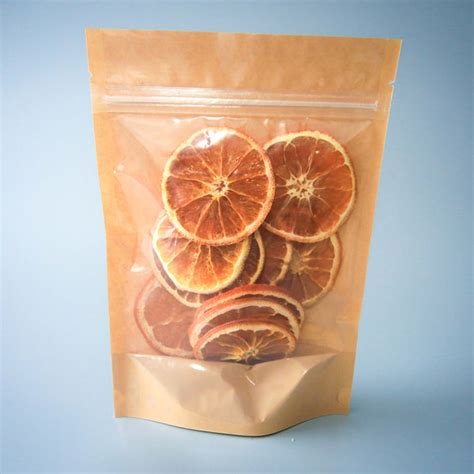
Dehydrating removes water content, concentrating flavors and making food incredibly shelf-stable. A food dehydrator is ideal, but a low-temperature oven can also work. This method is excellent for herbs, fruits, and even making your own vegetable powders.
- Sun-Dried Tomatoes: Slice tomatoes thinly and dehydrate until leathery. Store in oil or vacuum-seal.
- Fruit Leathers: Purée fruit, spread thinly on dehydrator sheets, and dry until pliable.
- Herbal Mixes: Dry individual herbs then combine for custom seasoning blends.
Fermenting: Probiotic Powerhouses
Fermentation is a fantastic real food preservation method that also enhances nutritional value by introducing beneficial probiotics. It’s surprisingly simple to do with just salt, water, and your vegetables.
- Homemade Sauerkraut: Shredded cabbage massaged with salt, allowed to ferment at room temperature.
- Fermented Dill Pickles: Cucumbers, dill, garlic, and a salt brine create wonderfully tangy, crunchy pickles.
- Kimchi: A spicy, fermented Korean staple made with Napa cabbage and various seasonings.
Beyond the Basics: Creative Real Food Recipes
Roasted Tomato & Basil Soup Base
Instead of just sauce, roast tomatoes, onions, garlic, and fresh basil until caramelized. Blend, then can or freeze this concentrated base. When ready to use, simply dilute with broth and season to taste for a quick, homemade soup.
Zucchini & Summer Squash Relish
A delightful way to use an abundant zucchini harvest. Finely chop zucchini and other garden vegetables, then pickle in a sweet and tangy brine. Excellent with grilled meats or sandwiches.

Tips for Successful Real Food Preservation
- Start with Peak Produce: The quality of your preserved food directly reflects the quality of your fresh ingredients.
- Follow Tested Recipes: Especially with canning, always use recipes from reputable sources (like university extensions or established canning guides) to ensure safety.
- Use Proper Equipment: Invest in good quality jars, lids, canners, and dehydrators.
- Label and Date: Clearly label everything with the contents and date of preservation. This prevents guesswork and ensures you consume food within its optimal timeframe.
- Store Properly: Keep canned goods in a cool, dark place. Frozen items should be kept at 0°F (-18°C) or below.
Conclusion: Savoring Summer All Year Long
Preserving your garden’s bounty with real food recipes is a rewarding process that connects you more deeply to your food and the seasons. Whether you choose canning, freezing, dehydrating, or fermenting, each method offers unique benefits and delicious results. By taking a little time now, you can enjoy the unparalleled flavors of summer’s harvest, bringing healthful, homemade goodness to your table for months to come, reminding you of the sun-drenched days of the garden.