Best real food recipes to preserve summer’s garden bounty for country living?

Embracing the Abundance: Preserving Summer’s Harvest
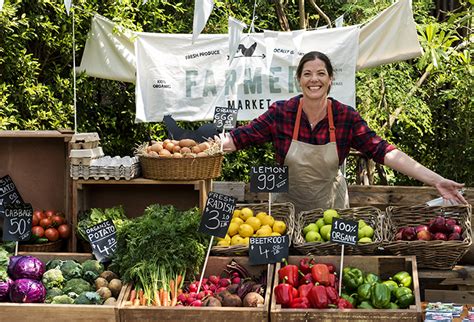
For those embracing country living, the summer garden is a vibrant cornerstone of self-sufficiency and delicious, wholesome food. The sheer abundance, however, often presents a delightful challenge: how to capture that peak freshness and flavor to enjoy long after the season ends? The answer lies in time-honored preservation methods, focusing on real food recipes that minimize additives and maximize natural goodness.
Preserving your garden’s bounty isn’t just about food security; it’s a deeply satisfying ritual that connects you to your land and provides an incomparable pantry of ingredients. From crisp vegetables to sweet fruits, every jar, bag, or dehydrated strip holds the promise of summer, ready to brighten meals during colder months.

Canning: Jams, Pickles, and Purees
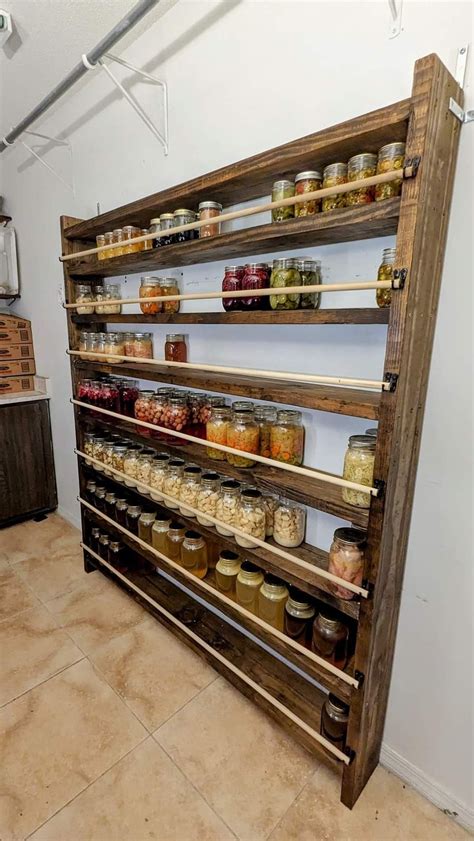
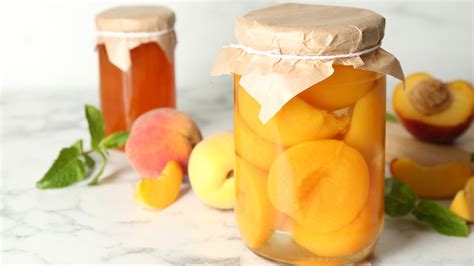
Canning is arguably the most iconic preservation method, transforming perishable produce into shelf-stable staples. Water bath canning is suitable for high-acid foods like fruits, jams, jellies, and most pickles, while pressure canning is essential for low-acid vegetables, meats, and soups.
Essential Real Food Canning Recipes:
- Classic Berry Jam: Simple combinations of berries (strawberries, raspberries, blueberries), sugar (or alternative sweeteners like honey/maple syrup used judiciously), and pectin (or natural pectin from apples) create spreads bursting with flavor.
- Dill Pickles: Crisp cucumbers transformed with vinegar, water, pickling salt, fresh dill, garlic, and pickling spices. Ensure a proper brine ratio for food safety.
- Crushed Tomato Sauce: Peeling and crushing ripe tomatoes, simmering with a touch of salt and lemon juice (for acidification) yields a versatile base for countless dishes. Consider adding fresh basil or oregano before canning.
- Peach or Apple Pie Filling: Sliced fruit, light sugar syrup, and a thickener (like Clearjel) prepared and canned for ready-to-use dessert bases.
Freezing: Capturing Freshness with Ease
Freezing is perhaps the simplest way to preserve many garden vegetables and fruits, retaining much of their original taste, texture, and nutritional value. Blanching is key for most vegetables to halt enzyme action, preserving color and flavor.
Top Real Food Freezing Methods:
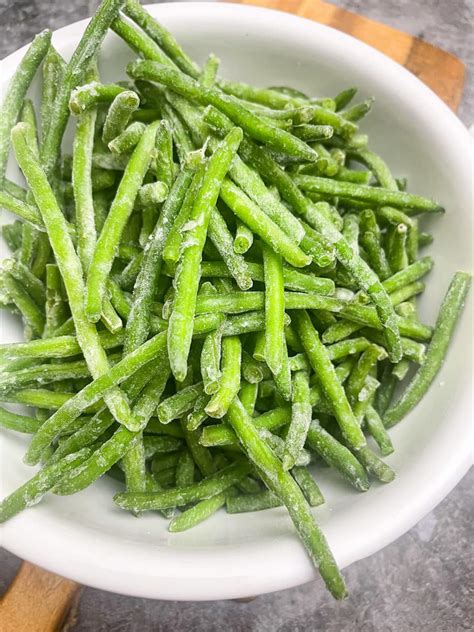
- Blanched Green Beans & Corn: Quickly blanching vegetables in boiling water, then shocking in ice water, prepares them perfectly for freezing. Flash freeze on a baking sheet before bagging to prevent clumping.
- Pesto Cubes: Blend fresh basil, garlic, pine nuts (or walnuts), Parmesan cheese, and olive oil. Freeze in ice cube trays for convenient single servings to add to pasta or soups.
- Berry Puree or Whole Berries: Wash and freeze whole berries on trays, then transfer to bags. For purees, blend berries and freeze in containers or ice cube trays.
- Roasted Tomato Halves: Roasting tomatoes with olive oil and herbs intensifies their flavor before freezing them flat on trays.
Dehydrating & Fermentation: Ancient Techniques for Modern Pantries
Beyond canning and freezing, dehydrating and fermenting offer unique flavors and textures, often requiring less energy consumption for storage.
Dehydrating Delights:
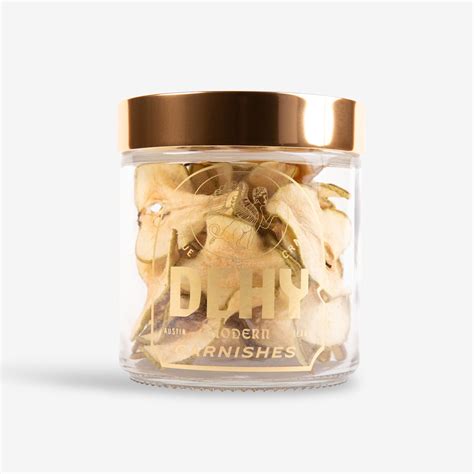
- Fruit Leathers: Blend overripe fruit into a puree and spread thinly on dehydrator trays. A healthy, portable snack perfect for kids and adults.
- Dried Herbs: Hang bundles of herbs in a dry, well-ventilated area or use a dehydrator on low heat. Store whole leaves and crush as needed for maximum flavor.
- Sun-Dried Tomatoes: Sliced tomatoes, seasoned with salt, dried until leathery. Store in olive oil (if fully dry) or airtight containers.
Fermented Foods for Gut Health:
- Sauerkraut: Shredded cabbage massaged with salt and allowed to ferment over weeks creates a probiotic-rich condiment.
- Lacto-Fermented Pickles: Similar to sauerkraut, but with whole or sliced cucumbers and a brine, producing a tangy, gut-healthy pickle without vinegar.
Tips for Successful Real Food Preservation
- Quality In, Quality Out: Start with the freshest, highest-quality produce from your garden.
- Food Safety First: Always follow tested recipes from reliable sources (e.g., USDA, Extension offices) for canning and fermentation to ensure safety.
- Proper Equipment: Invest in good quality jars, lids, canners, dehydrators, or fermentation crocks.
- Labeling is Key: Clearly label everything with the contents and date of preservation.
- Store Properly: Keep canned goods in a cool, dark place. Frozen foods should be kept at 0°F (-18°C) or colder. Dehydrated items need airtight containers.
Preserving your summer garden’s bounty is more than just a chore; it’s an investment in your family’s health, a celebration of the seasons, and a testament to the satisfying rhythms of country living. With these real food recipes and techniques, you can enjoy the fruits (and vegetables!) of your labor all year long, savoring every last bite of summer’s golden embrace.