

Best real food recipes to utilize seasonal garden produce?

There’s immense satisfaction in harvesting fresh produce from your own garden. However, the joy of a bumper crop can quickly turn into a challenge if you’re not prepared to use it all. Embracing real food recipes that highlight seasonal ingredients is the perfect solution, ensuring nothing goes to waste while nourishing your body with the freshest, most flavorful ingredients possible.
Embracing the Harvest: Why Real Food Matters
Eating seasonally and focusing on ‘real food’ – whole, unprocessed ingredients – offers numerous benefits. It means your produce is at its peak flavor and nutritional value, hasn’t traveled far, and often requires fewer artificial inputs. For home gardeners, it’s about connecting directly with your food source and experiencing the true taste of nature’s bounty.
By learning to cook with what your garden provides each season, you not only reduce food waste but also expand your culinary horizons. Every season brings its own unique set of flavors and textures, encouraging creativity in the kitchen.

Spring’s Bounty: Light & Vibrant Creations
As the days lengthen, spring gardens burst with tender greens, crisp radishes, and sweet peas. These delicate flavors are best utilized in light, refreshing dishes that celebrate their freshness.
- Spring Green & Asparagus Frittata: Combine chopped asparagus, spinach, and chives with eggs and a touch of cheese for a quick and elegant meal.
- Pea and Mint Soup: A simple blend of fresh peas, vegetable broth, and mint creates a vibrant, comforting soup.
- Radish & Butter Crostini: Thinly sliced radishes on crusty bread with good quality butter and sea salt make a delightful appetizer.
Summer’s Abundance: Sun-Kissed Flavors
Summer is a time of incredible abundance, with tomatoes, zucchini, bell peppers, and berries dominating the garden. These ingredients shine in dishes that require minimal cooking, letting their natural sweetness and acidity take center stage.
- Caprese Salad with Garden Tomatoes: Layer thick slices of heirloom tomatoes with fresh mozzarella, basil leaves, and a drizzle of balsamic glaze.
- Zucchini Noodle Pesto Pasta: Spiralize zucchini into ‘noodles’ and toss with homemade pesto and cherry tomatoes for a light, gluten-free meal.
- Grilled Corn on the Cob with Herb Butter: Grill sweet corn until slightly charred, then slather with butter mixed with fresh herbs from your garden.

Autumn’s Heartiness: Comfort & Warmth
As the weather cools, gardens yield hearty squash, root vegetables, and crisp apples. These ingredients are perfect for comforting, warming dishes that bring warmth to the table.
- Roasted Butternut Squash Soup: Roast butternut squash with onions and garlic, then blend with vegetable broth and a touch of cream for a silky, rich soup.
- Root Vegetable Gratin: Thinly slice potatoes, carrots, parsnips, and sweet potatoes, layer with herbs and a creamy sauce, then bake until tender and golden.
- Apple & Berry Crisp: Combine garden apples and any late-season berries under a crunchy oat topping for a wholesome dessert.

Winter’s Roots: Nourishing & Robust Dishes
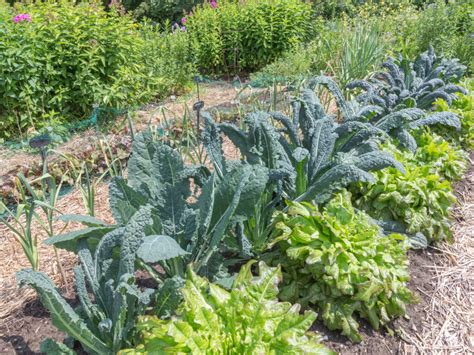
Even in winter, stored root vegetables and hardy greens like kale and collards can provide delicious and nutritious meals. These ingredients lend themselves well to slow-cooked dishes and robust flavors.
- Hearty Vegetable & Lentil Stew: A robust stew featuring carrots, potatoes, parsnips, and dark leafy greens, simmered with lentils and savory herbs.
- Roasted Brussels Sprouts with Balsamic Glaze: Roast Brussels sprouts until crispy and tender, then toss with a sweet and tangy balsamic reduction.
- Kale & White Bean Salad: Massage fresh kale with lemon juice and olive oil, then toss with cannellini beans, sun-dried tomatoes, and toasted nuts.
Tips for Maximizing Your Garden’s Yield in Real Food Recipes
To truly get the most out of your seasonal garden produce, consider these strategies:
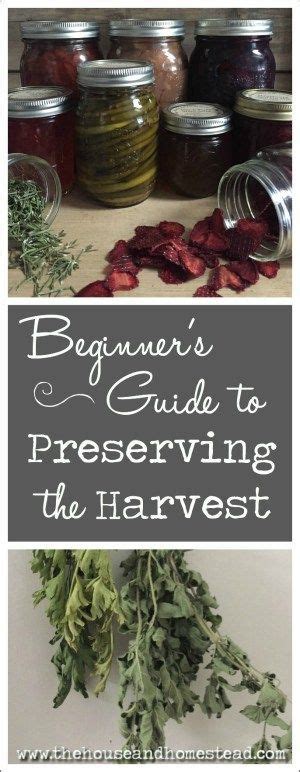
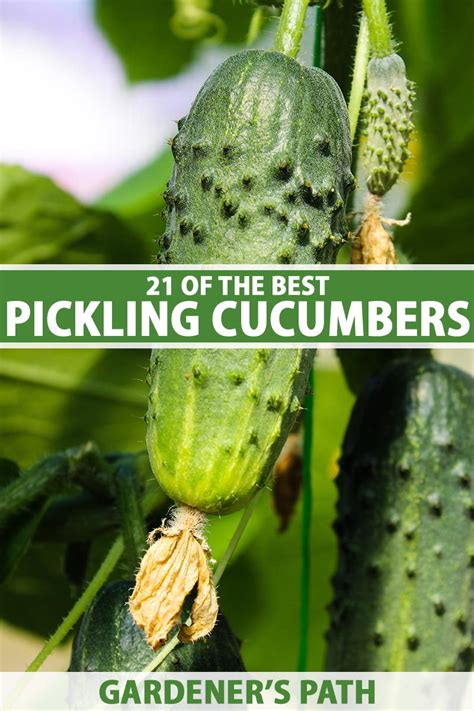
- Preservation: Don’t limit yourself to fresh eating. Learn basic canning, freezing, or dehydrating techniques to enjoy your harvest year-round. Pickling cucumbers, canning tomatoes, or freezing berries are great options.
- Batch Cooking: Dedicate time to cook large batches of versatile components like roasted vegetables or pureed soups. These can be easily incorporated into meals throughout the week.
- Creative Swaps: Be flexible with recipes. If a recipe calls for spinach but you have an abundance of Swiss chard, make the swap! Most leafy greens and root vegetables are interchangeable in similar preparations.

Embracing seasonal cooking with your garden’s produce is a rewarding journey. It connects you more deeply with your food, encourages healthier eating habits, and transforms the bounty of your garden into delicious, real food meals. Experiment with these ideas, adapt them to your specific harvest, and savor the incredible flavors only fresh, seasonal ingredients can offer.