
Best recipes for preserving abundant garden harvest simply?

Harnessing Your Garden’s Bounty: Simple Preservation Techniques
There’s nothing quite like the satisfaction of a flourishing garden, but sometimes the sheer volume of ripe produce can feel overwhelming. The good news is that preserving your harvest doesn’t have to be a complicated, all-day affair. With a few simple techniques and delicious recipes, you can enjoy the taste of your garden year-round, minimizing waste and maximizing flavor.
Freezing: The Ultimate Time-Saver
Freezing is arguably the easiest and most versatile method for preserving most fruits and vegetables. It requires minimal equipment and keeps produce tasting fresh for months.
Blanching Vegetables for Freezing
For many vegetables like green beans, broccoli, corn, and peas, blanching before freezing helps retain color, texture, and nutrients. Simply boil vegetables for a few minutes, then plunge into ice water to stop the cooking process. Drain thoroughly, pat dry, and pack into freezer-safe bags or containers.
Freezing Fruits and Herbs
Berries can be frozen whole on a baking sheet before transferring to bags to prevent clumping. Sliced peaches or other fruits benefit from a light syrup or a sprinkle of lemon juice to prevent browning. Herbs can be chopped and frozen in olive oil or water in ice cube trays, perfect for adding to soups and stews later.
![Frozen (2013) [4K] - Animation Screencaps.com](/images/aHR0cHM6Ly90czIubW0uYmluZy5uZXQvdGg/aWQ9T0lQLnBBWHNxNXpSMGpwX1JxOTAxOVBaQWdIYURIJnBpZD0xNS4x.webp)
Quick Pickling: Tangy Delights in Minutes
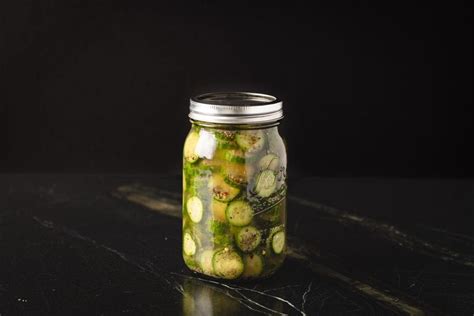
If you’re looking for an instant flavor boost and a way to use up cucumbers, peppers, or even green beans, quick pickling is your answer. These refrigerator pickles aren’t shelf-stable for long-term storage, but they’re incredibly simple to make and ready to eat within hours.
Refrigerator Dill Pickles
Slice cucumbers, pack them into clean jars with dill, garlic, and peppercorns. Pour a heated mixture of vinegar, water, salt, and a touch of sugar over them. Seal and refrigerate. They’re usually good for 2-3 weeks and add a delightful crunch to any meal.
Speedy Pickled Red Onions
Thinly slice red onions and place them in a jar. Bring a cup of vinegar (apple cider or white), a cup of water, a tablespoon of sugar, and a teaspoon of salt to a simmer. Pour over the onions, seal, and let cool before refrigerating. Perfect for tacos, salads, and sandwiches.
Dehydrating: Concentrating Flavors and Nutrients
Dehydration removes moisture, making food lightweight, shelf-stable, and intensifying its natural flavors. While a dehydrator is ideal, a low-temperature oven can also work.
Homemade Fruit Leather
Purée overripe fruits like berries, apples, or peaches. Spread thinly onto parchment-lined baking sheets or dehydrator trays. Dehydrate until pliable and no longer sticky. Roll up and store for a healthy snack.
Dried Herbs and Tomatoes
Hang bundles of herbs in a dry, dark place, or dry them in a dehydrator or oven. Slice tomatoes thinly and dehydrate until leathery for homemade “sun-dried” tomatoes, excellent in pasta dishes or antipasto platters.
Simple Canning & Jams: Classic Preserves Made Easy
Don’t be intimidated by canning. For acidic foods like tomatoes and most fruits, water bath canning is a straightforward process. Focus on simple recipes to start.
Basic Tomato Sauce for Freezing or Canning
Roast or boil tomatoes until soft, then purée. Season with garlic, onion, and herbs. For freezing, cool and pack into containers. For canning, follow a tested water bath canning recipe for tomato sauce (often requiring added acid like lemon juice or citric acid for safety).
Easy Berry Jam
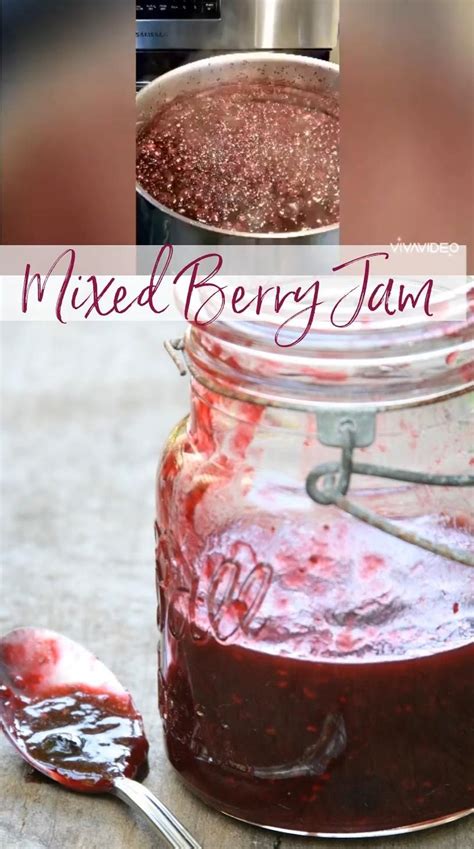
Combine fresh or frozen berries with sugar and a squeeze of lemon juice. Cook over medium heat, stirring frequently, until thickened. For a simple freezer jam, cool and store in freezer-safe containers. For water bath canning, ladle into sterilized jars, process for 10-15 minutes, and seal.
Enjoy Your Harvest All Year Long
Preserving your garden’s abundance doesn’t require a culinary degree or expensive equipment. By incorporating simple freezing, quick pickling, dehydrating, and basic canning methods into your routine, you can savor the delicious flavors of your garden long after the growing season has ended. Experiment with these recipes and discover the joy of homemade goodness.