Best rot-resistant natural materials for DIY raised garden beds?

Why Rot Resistance Matters for Your Raised Garden Bed
Building a raised garden bed is an excellent way to improve soil quality, manage pests, and make gardening more accessible. However, the constant exposure to moist soil, sunlight, and fluctuating temperatures makes many common building materials prone to rot and decay. Choosing naturally rot-resistant materials is crucial for ensuring your DIY raised bed lasts for many seasons without needing frequent repairs or replacement, saving you time, effort, and money in the long run. Plus, natural materials avoid the use of potentially harmful chemicals often found in treated lumber.
Western Red Cedar: The Gold Standard for Wood Beds
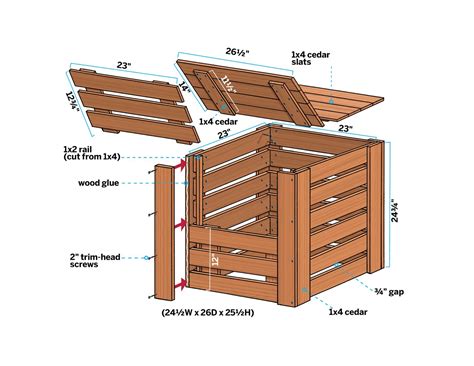
When it comes to wooden raised beds, Western Red Cedar is widely considered the top choice for its exceptional natural resistance to rot, decay, and insect infestation. This is due to the presence of natural oils and compounds within the wood itself. Beyond its durability, cedar is also lightweight, easy to work with, and boasts an attractive reddish-brown hue that weathers beautifully over time.
- Pros: Excellent rot and insect resistance, lightweight, easy to cut and fasten, aesthetically pleasing, chemical-free.
- Cons: Can be more expensive than other wood options, especially in larger dimensions.

Redwood: Durable and Visually Appealing
Similar to Western Red Cedar, Redwood is another outstanding natural material known for its inherent resistance to decay and insects. It contains natural tannins that protect the wood from moisture and pests, making it an excellent choice for raised beds. Redwood also shares cedar’s beautiful appearance, featuring a rich, deep red color that adds a touch of elegance to any garden.
- Pros: High natural rot and insect resistance, attractive appearance, relatively stable (less prone to warping).
- Cons: Often pricier and less readily available outside of Western North America, can be heavier than cedar.
Black Locust: Unmatched Natural Durability
If you’re looking for extreme durability and longevity in a natural wood, Black Locust is an excellent, albeit less common, choice. This hardwood is incredibly dense and possesses some of the highest natural rot resistance of any timber available, often outlasting many treated woods. It’s so durable that it’s frequently used for fence posts and vineyard stakes without any chemical treatment.
- Pros: Extremely rot and insect resistant, very strong and durable, long lifespan.
- Cons: Very hard to work with (requires good tools), can be prone to splitting, less common to find in lumberyards, thorny logs if sourced directly.
Stone, Brick, and Concrete Blocks: Permanent & Pest-Resistant
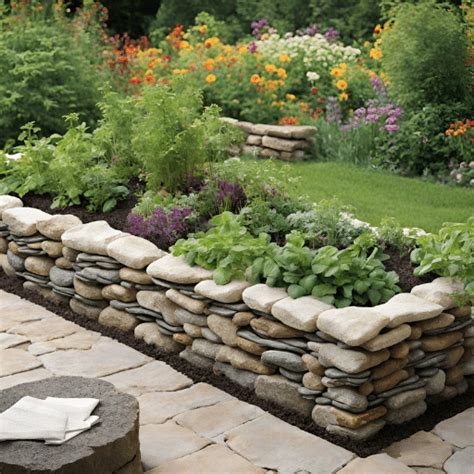
For a truly permanent and rot-proof solution, consider building your raised beds from stone, brick, or concrete blocks. These inert materials will never rot, decay, or be bothered by insects. They offer excellent thermal mass, which can help regulate soil temperatures, and provide a very sturdy structure. They can also create beautiful, classic aesthetics in your garden.
- Pros: Completely rot-proof, extremely durable, long lifespan, pest-resistant, various aesthetic options, good thermal mass.
- Cons: Heavy and labor-intensive to build, more expensive upfront, less flexible for future garden redesigns, can be difficult to move.
Alternative Natural Woods: White Oak and Juniper
While not as commonly lauded as cedar or redwood for raised beds, certain other hardwoods like White Oak and Juniper also offer a good degree of natural rot resistance. White Oak, especially the heartwood, is moderately decay-resistant due to its dense structure and closed cells. Juniper, particularly Eastern Red Cedar (a type of juniper), is also known for its aromatic and rot-resistant properties, similar to Western Red Cedar but often smaller in scale.
Tips for Maximizing Raised Bed Lifespan
Regardless of the material you choose, a few construction techniques can further enhance the longevity of your raised garden beds:
- Proper Drainage: Ensure the bottom of your bed allows for good drainage. Consider a layer of gravel or hardware cloth to prevent pests.
- Avoid Ground Contact (for wood): Placing wooden beds on a gravel base or on concrete blocks rather than directly on soil can significantly reduce moisture wicking and prolong life.
- Liner (Optional): Some gardeners opt to line the inside of their wooden beds with a pond liner or thick plastic sheeting. While this can extend the wood’s life by preventing direct soil contact, ensure adequate drainage holes are present to avoid waterlogging.
- Quality Fasteners: Use stainless steel or galvanized screws and hardware to prevent rust and staining, which can weaken the structure over time.
Conclusion
Choosing the right rot-resistant natural material for your DIY raised garden bed is a key decision for its long-term success. Western Red Cedar and Redwood are excellent choices for their balance of durability, workability, and beauty. Black Locust offers unmatched resilience, while stone, brick, and concrete blocks provide a permanent, maintenance-free solution. By selecting one of these robust natural materials and employing smart construction practices, you can create a beautiful and productive garden space that will thrive for many years to come.