Best rot-resistant wood for DIY raised garden beds?

Building to Last: Why Rot Resistance Matters for Raised Beds
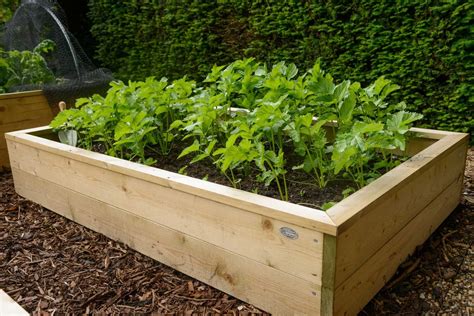
When embarking on a DIY raised garden bed project, one of the most critical decisions you’ll make is selecting the right wood. Raised beds are constantly exposed to moisture, soil, and fluctuating temperatures, creating an ideal environment for rot and decay. Choosing a rot-resistant wood ensures your garden beds will last for many years, saving you time, effort, and money on replacements, while also providing a stable and healthy environment for your plants to thrive.
Naturally Rot-Resistant Wood Options
For those prioritizing natural durability and avoiding chemical treatments, several wood species stand out due to their inherent resistance to decay, fungi, and insect infestation.
Cedar (Western Red Cedar & Eastern Red Cedar)
- Pros: Western Red Cedar is perhaps the most popular choice for raised beds. It’s naturally rot-resistant, lightweight, easy to work with, and has an appealing aesthetic. Eastern Red Cedar is also an excellent, often more affordable, alternative with similar properties. Both types contain natural oils that repel insects and decay.
- Cons: Can be more expensive than other options. Over time, it weathers to a silvery-gray, which some may not prefer.
Redwood
- Pros: Similar to cedar, redwood is highly prized for its exceptional rot and insect resistance, beautiful color, and stability. It’s a premium option that offers outstanding longevity.
- Cons: Generally more expensive and less sustainably harvested than cedar, especially old-growth redwood. Availability can be limited outside of specific regions.
Black Locust
- Pros: Often considered one of the most durable and rot-resistant woods available in North America, black locust can last 50+ years in ground contact. It’s incredibly hard, strong, and highly resistant to decay and insects. It’s also a fast-growing, sustainable native species.
- Cons: Extremely hard, making it difficult to cut and drill. Can be prone to twisting or checking as it dries. Availability might be limited to specialized suppliers.
White Oak (Heartwood)
- Pros: The heartwood of white oak is dense and has good natural resistance to rot and insects due to its closed cell structure. It’s a strong and sturdy option, often used in outdoor structures.
- Cons: The sapwood is not rot-resistant, so you must ensure you’re getting primarily heartwood. It can be heavy and challenging to work with, and more expensive than many other options.

Pressure-Treated Lumber: A Modern Perspective
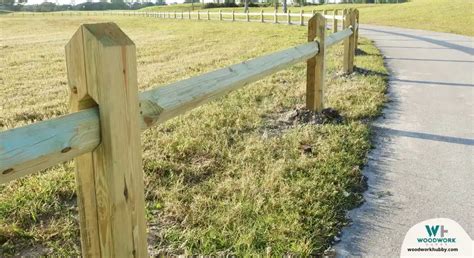
Pressure-treated wood has historically been a common choice due to its affordability and enhanced rot resistance. However, safety concerns regarding chemicals have evolved.
Modern Pressure-Treated Wood (ACQ, CA, MCA)
- Pros: Modern pressure-treated lumber uses safer chemical formulations (like Alkaline Copper Quaternary (ACQ), Copper Azole (CA), or Micronized Copper Azole (MCA)) compared to older treatments (CCA) that contained arsenic. These newer treatments are generally considered safe for raised garden beds, particularly if a liner is used. It’s widely available and more affordable than most naturally resistant woods.
- Cons: While safer, some gardeners still prefer to avoid chemically treated wood entirely, especially for edible crops. It requires careful handling (wearing gloves, not burning scraps) and can still leach minute amounts of copper into the soil over time.
Other Considerations for Longevity
- Liners: Using a non-toxic, durable liner (like pond liner or heavy-duty landscaping fabric) on the inside walls of your raised bed can significantly extend the life of any wood, reducing direct contact with moist soil.
- Drainage: Good drainage prevents waterlogging and reduces the constant moisture that leads to rot. Ensure your beds have adequate drainage holes or are placed on well-draining ground.
- Joints and Fasteners: Use stainless steel or galvanized fasteners to prevent rust and ensure the structural integrity of your beds. Consider joining methods that minimize water traps.
- Sealers: While not a substitute for rot-resistant wood, applying an exterior-grade, non-toxic sealer can offer an additional layer of protection, especially for the exterior facing wood.
Making Your Best Choice
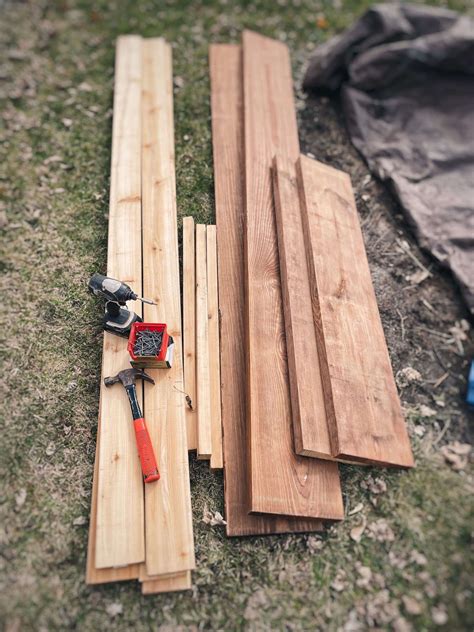
The “best” rot-resistant wood for your DIY raised garden beds ultimately depends on your priorities: budget, longevity expectations, aesthetic preferences, and comfort level with treated materials. For an excellent balance of natural resistance, workability, and availability, Western Red Cedar or Eastern Red Cedar are often top contenders. If budget is a primary concern, modern pressure-treated lumber offers a viable, safe option. For ultimate durability and sustainability where aesthetics are less critical, black locust stands out as a long-term investment. By considering these factors, you can build raised beds that will provide years of gardening enjoyment.