Best rot-resistant wood for raised garden beds in a country setting?

Building raised garden beds is a rewarding DIY project, offering better soil control, drainage, and easier access for planting and harvesting. However, in a country setting, these beds are constantly exposed to the elements – rain, sun, soil moisture, and potential pests. Choosing the right rot-resistant wood is paramount to ensure your gardening investment lasts for many seasons without needing constant repairs or replacements.
Why Rot Resistance Matters in a Country Setting
Country environments often present unique challenges for outdoor structures. Fluctuating humidity, heavy rainfall, and direct ground contact accelerate the decay process for untreated woods. Soil itself is a hotbed for moisture and microorganisms that break down wood fibers. A rot-resistant wood minimizes the need for chemical treatments (which many gardeners prefer to avoid near edibles) and guarantees structural integrity for years, saving you time and money in the long run.

Top Choices for Naturally Rot-Resistant Wood
1. Western Red Cedar
Western Red Cedar is perhaps the most popular choice for raised garden beds, and for good reason. It contains natural oils (thujaplicins) that act as fungicides and insecticides, giving it excellent resistance to rot and insect infestations. It’s relatively lightweight, easy to work with, and aesthetically pleasing with its rich color and aroma. While it comes at a higher price point than common lumber, its longevity often justifies the investment. Expect Western Red Cedar to last 15-20 years or more, even in direct soil contact.
2. Redwood
Similar to Western Red Cedar, Redwood boasts impressive natural rot and insect resistance due to its extractives. It’s highly durable and beautiful, making it another premium choice. However, Redwood is typically more expensive and less sustainably harvested or readily available outside of the Western U.S. If you have access to salvaged or responsibly sourced redwood, it’s an excellent option for long-lasting raised beds, potentially exceeding 20 years.

3. Black Locust
Often considered one of the most rot-resistant native hardwoods in North America, Black Locust is incredibly dense and durable. It’s naturally resistant to decay, insects, and even harsh weather conditions. Its main downsides are its hardness, making it difficult to cut and drill, and its tendency to twist and check as it dries. However, if you can source it and are prepared for the extra effort in construction, Black Locust can last 25 years or more, rivaling even treated lumber in durability without the chemicals.
4. White Oak
While not as commonly lauded for raised beds as cedar or redwood, White Oak is a dense, strong hardwood with good natural resistance to rot, especially its heartwood. It contains high levels of tyloses in its pores, which contribute to its decay resistance and make it less permeable to water. It’s more readily available in some regions than redwood or black locust, and while it will eventually decay, it offers a respectable lifespan of 10-15 years, particularly if allowed to dry out between watering.

5. Juniper
Often overlooked, some species of Juniper (like Eastern Redcedar, which is actually a juniper) offer excellent natural resistance to rot and insects. The heartwood is particularly durable, containing aromatic compounds that deter decay. It can be locally sourced in many areas, potentially making it a more economical and sustainable choice. Its rustic appearance can also be a charming fit for a country garden.
Woods to Approach with Caution (or Avoid)
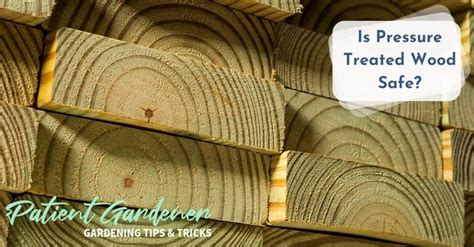
While tempting due to lower cost, untreated softwoods like pine, spruce, and fir will quickly succumb to rot when in constant contact with moist soil. They typically last only 3-5 years, making them a poor long-term investment for raised beds. Pressure-treated lumber, while highly rot-resistant, is a controversial choice for edible gardens due to concerns about chemicals leaching into the soil. Modern ACQ or MCA treated woods are considered safer than older CCA types, but many gardeners still prefer natural, untreated options for peace of mind.
Tips for Extending Lifespan, Regardless of Wood Choice
- Use a Liner: While some argue against it for soil breathability, lining the inside of your raised bed with a durable, food-safe plastic (like pond liner or heavy-duty sheeting) can significantly reduce direct soil-to-wood contact, extending the wood’s life. Ensure good drainage if using a liner.
- Good Drainage: Ensure your raised bed has excellent drainage to prevent waterlogging, which accelerates rot.
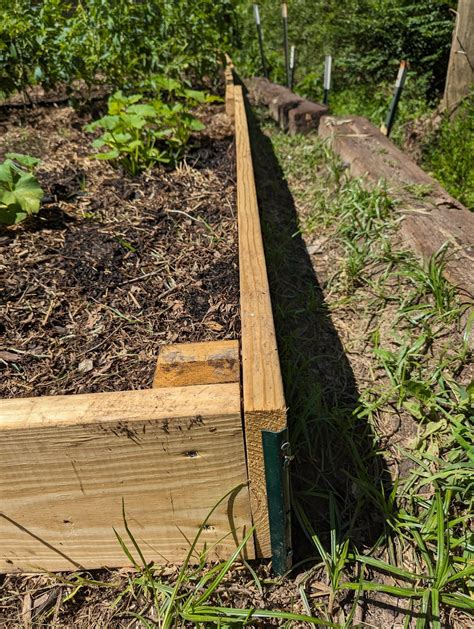
- Elevate Boards: If possible, elevate the bottom boards slightly off the ground with gravel or bricks to prevent constant soil contact, or choose materials that are specifically resistant to ground contact.
- Corner Bracing: Use robust corner bracing, ideally with stainless steel or galvanized fasteners, to minimize movement and stress on the wood joints.
Conclusion
For raised garden beds in a country setting, longevity and natural resistance are key. Western Red Cedar and Redwood remain top contenders for their proven durability and ease of use, though Black Locust offers unmatched rot resistance for those willing to work with a harder wood. White Oak and certain Junipers provide solid, often more local, alternatives. By choosing wisely and employing good construction practices, your raised garden beds can thrive for decades, providing a beautiful and productive addition to your country homestead.