

Best techniques for preserving garden harvest into versatile, ‘real food’ recipes?
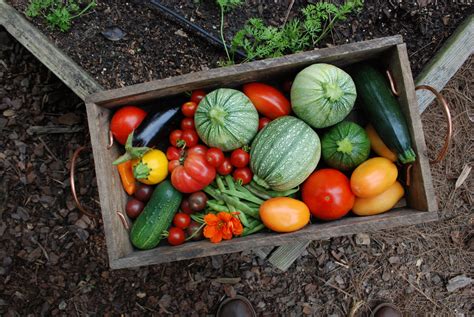
The joy of a thriving garden extends beyond the immediate harvest; it’s about enjoying fresh, nutritious produce long after the growing season ends. Preserving your garden’s bounty not only reduces food waste but also ensures your pantry is stocked with wholesome, real food ingredients for countless culinary creations.
Why Preserve Your Garden Harvest?
Beyond the simple pleasure of homegrown food, preserving your harvest offers numerous benefits. It allows you to control ingredients, avoid artificial additives found in many store-bought preserved goods, and save money. Most importantly, it connects you more deeply with the food you eat, providing a continuous supply of seasonal goodness.
Essential Preservation Techniques for Every Gardener
There are several tried-and-true methods for preserving food, each suited to different types of produce and culinary goals. Mastering a few of these will revolutionize your kitchen.
1. Freezing: The Easiest Option
Freezing is arguably the simplest and most accessible preservation method for many fruits and vegetables. It retains much of the fresh flavor and nutrients. Blanching vegetables before freezing is crucial for maintaining color, texture, and nutritional value by deactivating enzymes.
- Vegetables: Blanch broccoli, beans, peas, corn, and spinach, then cool rapidly and freeze in single layers before bagging.
- Fruits: Berries, sliced peaches, and cherries can be frozen whole or in sugar syrup.
- Herbs: Chop herbs and freeze them in ice cube trays with a little water or olive oil.
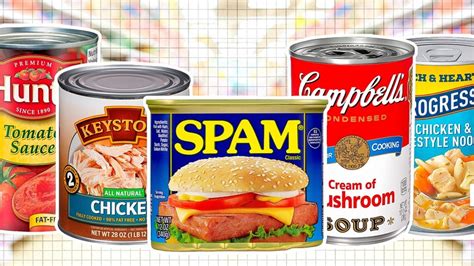
2. Canning: Shelf-Stable Goodness
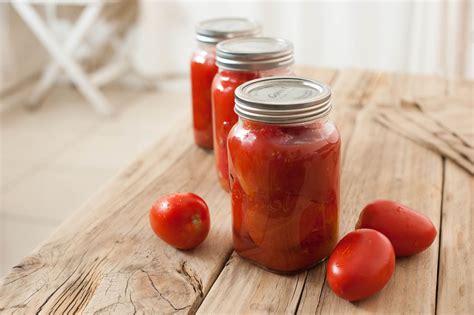
Canning involves sealing food in jars and heating them to destroy microorganisms, creating a vacuum seal that keeps food fresh for extended periods without refrigeration. There are two main methods:
- Water Bath Canning: Ideal for high-acid foods like fruits, jams, jellies, pickles, and tomatoes (with added acid).
- Pressure Canning: Essential for low-acid foods such as most vegetables (green beans, corn, carrots), meats, and combination recipes, as it reaches higher temperatures to eliminate dangerous bacteria.
Canned goods are perfect for making quick winter stews, sauces, and condiments.
3. Dehydrating: Concentrated Flavor and Nutrition
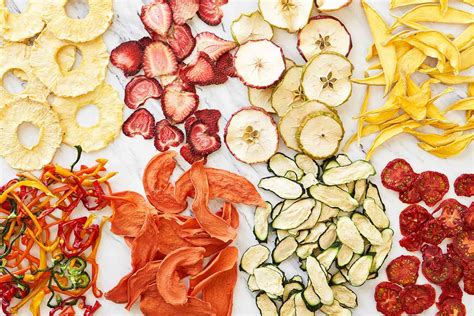
Dehydration removes water from food, inhibiting microbial growth and concentrating flavors. It’s excellent for making fruit leathers, vegetable chips, dried herbs, and ingredients for soups and trail mixes.
- Fruits: Apples, bananas, berries, and apricots make fantastic healthy snacks.
- Vegetables: Onions, carrots, bell peppers, and tomatoes can be rehydrated for cooking or powdered for seasonings.
- Herbs: Dry excess herbs for use in cooking all year long.
4. Fermentation: Probiotic Powerhouses
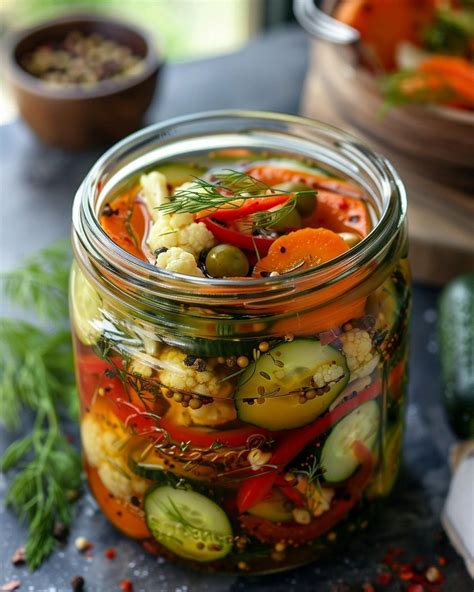
Fermentation is an ancient preservation method that uses beneficial bacteria to transform food, enhancing flavor and creating probiotic-rich delicacies. Examples include sauerkraut, kimchi, pickles, and kombucha.
- Vegetables: Cabbage, carrots, and cucumbers are popular choices for lactic acid fermentation.
- Benefits: Fermented foods support gut health and offer unique tangy flavors to dishes.
5. Pickling: Tangy and Flavorful
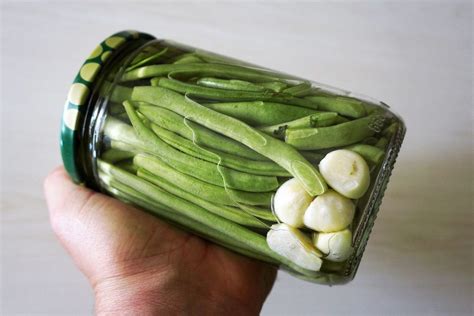
Pickling involves preserving food in an acidic solution, typically vinegar. This method is fantastic for cucumbers, green beans, onions, and even some fruits.
- Quick Pickling: Stored in the refrigerator, these last for a few weeks and are great for immediate enjoyment.
- Canned Pickles: Processed in a water bath canner, these are shelf-stable for longer periods.
Transforming Preserved Harvests into ‘Real Food’ Recipes
The true magic happens when your preserved garden goods become the stars of your kitchen.
Soups, Stews, and Chili
Canned tomatoes, corn, beans, and dehydrated vegetables are the backbone of hearty winter meals. A simple vegetable broth made from frozen veggie scraps combined with your preserved ingredients creates nourishing dishes.
Sauces and Condiments
Use canned fruits for pie fillings, compotes, or chutneys. Fermented vegetables like sauerkraut elevate sandwiches and main courses. Homemade tomato sauce from canned garden tomatoes is incomparably fresh.
Baking and Desserts
Frozen berries and fruits are perfect for muffins, pies, crumbles, and smoothies. Dehydrated fruit can be rehydrated or chopped directly into baked goods for concentrated flavor.
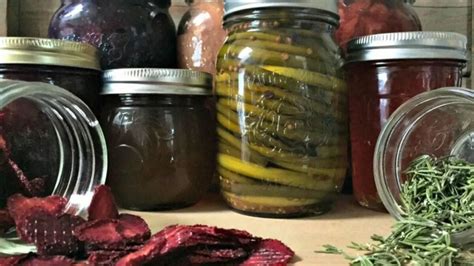
Salads and Sides
Pickled vegetables add a zesty crunch to salads or serve as refreshing side dishes. Fermented vegetables can be incorporated into grain bowls or simply enjoyed on their own.
Tips for Success
- Start Small: Don’t try to master every technique at once. Pick one or two and gain confidence.
- Invest in Good Equipment: A quality freezer, canner, or dehydrator will make the process easier and safer.
- Follow Tested Recipes: Especially for canning, always use recipes from reliable sources to ensure food safety.
- Label Everything: Include the date and contents on all your preserved items.
- Experiment: Once you’re comfortable with the basics, get creative with flavor combinations and new recipes.
Preserving your garden harvest is a rewarding endeavor that brings you closer to your food source and provides a continuous supply of healthy, delicious ingredients for your ‘real food’ kitchen. Embrace these techniques, and enjoy the taste of your garden all year long!