Best tips for a perfectly crisp bottom crust on a homemade fruit pie?
Banish the Dreaded Soggy Bottom: Your Guide to Crisp Pie Crusts
There’s nothing quite as disheartening as pulling a beautiful homemade fruit pie from the oven, only to discover a soft, soggy bottom crust. While the juicy fruit filling is undoubtedly the star, a perfectly crisp, golden base is essential for the ultimate pie experience. Fear not, home bakers! Achieving that coveted crispness is entirely possible with a few strategic tips and techniques.

1. Blind Bake (Pre-Bake) Your Crust
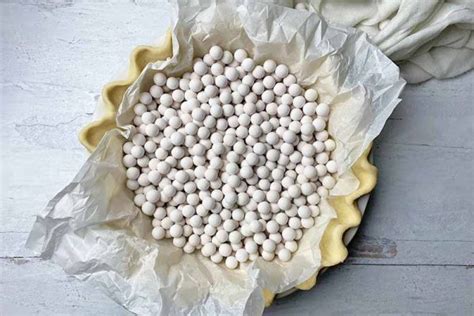
This is arguably the most crucial step for preventing a soggy bottom. Blind baking partially cooks the crust before the wet filling is added, giving it a head start and allowing it to crisp up. To do this:
- Roll and Chill: Roll out your pie dough and fit it into your pie plate. Trim the edges and crimp them as desired. Then, refrigerate or freeze the crust for at least 30 minutes to firm up the butter and prevent shrinkage.
- Prick and Line: Lightly prick the bottom of the crust with a fork to allow steam to escape. Line the chilled crust with parchment paper or foil, then fill it with pie weights, dried beans, or rice.
- Bake Hot: Bake in a preheated oven (usually 400-425°F or 200-220°C) for 15-20 minutes, or until the edges are lightly golden. Remove the weights and parchment, then continue baking for another 5-10 minutes until the bottom looks dry and lightly colored. This partial bake creates a barrier against the wet filling.
2. Mind Your Filling: Thicken It Up
A watery fruit filling is a primary culprit for a soggy bottom. Excess moisture will steam the crust, making it soft. Here’s how to manage it:
- Cornstarch, Flour, or Tapioca: These are your best friends. Use an appropriate amount (usually 2-4 tablespoons per pie, depending on the fruit’s juiciness) mixed with the fruit, sugar, and spices before pouring into the crust. Tapioca is excellent for fruit pies as it thickens clearly and isn’t prone to lumps.
- Pre-Cook Some Fruits: For very juicy fruits like berries or peaches, you might consider briefly simmering a portion of the fruit with the thickener on the stovetop until it starts to thicken, then cooling it before adding to the crust. This helps release some initial liquid.
- Don’t Overfill: While tempting, overfilling your pie can lead to spillage and a longer baking time, increasing the chances of a soggy bottom.
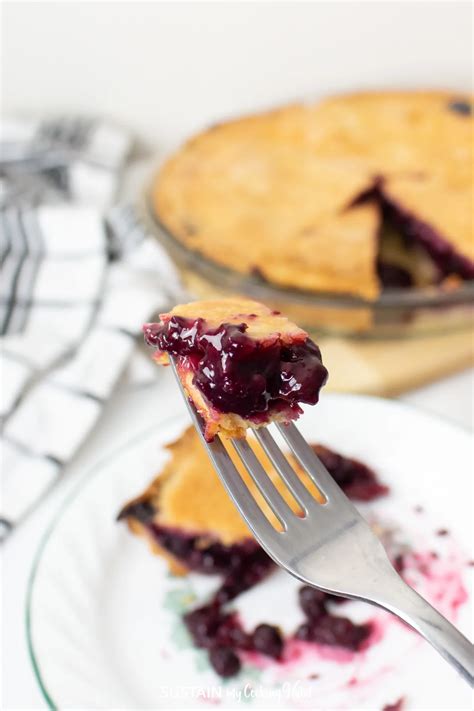
3. Optimize Your Baking Environment
How you bake your pie can significantly impact the bottom crust’s crispness.
- Hot Oven, Lower Rack: Start your pie in a hot oven (usually 425-450°F or 220-230°C for the first 15-20 minutes, then reduce to 375°F or 190°C) to quickly set the crust. Placing the pie on the lowest rack allows the bottom crust to receive direct heat, promoting browning and crispness.
- Preheated Baking Sheet or Pizza Stone: Place your pie plate directly on a preheated baking sheet or pizza stone. This conducts heat directly to the bottom of the pie crust, helping it crisp up quickly. Make sure to place the sheet/stone in the oven as it preheats.
- Ceramic or Glass Pie Plates: These materials conduct heat more slowly than metal, but they retain it well. If using glass, you can easily monitor the browning of the bottom crust.
4. The Power of a Barrier (Optional, but Effective)
Beyond blind baking, you can create an extra barrier:
- Egg Wash: Before adding the filling, brush the partially blind-baked crust with a thin layer of egg wash (beaten egg mixed with a tablespoon of water or milk). This creates a protective layer that helps seal the crust from the filling’s moisture and promotes a golden finish.
- Crushed Cereal/Cookie Crumbs: A thin layer of crushed cornflakes, graham cracker crumbs, or even finely ground nuts can be sprinkled on the bottom of the blind-baked crust before adding the filling. This absorbs excess moisture.
5. Cool Completely
Patience is a virtue when it comes to pie. While it’s tempting to cut into a warm pie, resist the urge! Fruit pies need to cool completely, usually for several hours, to allow the filling to set properly and the crust to fully firm up. Cutting too early can release steam and moisture back into the crust, undoing all your hard work.
Conclusion
Achieving a perfectly crisp bottom crust on your homemade fruit pie is a culinary triumph that elevates the entire dessert. By combining the techniques of blind baking, proper filling management, optimized baking conditions, and a little patience, you’ll consistently bake pies with a base that’s as impressive as its luscious filling. Happy baking!