Best tips for adapting heirloom garden veggies into delicious real food meals?

Heirloom garden vegetables are more than just food; they are living history, bursting with unique flavors, textures, and stories lost in modern commercial varieties. While their distinct characteristics make them incredibly rewarding to grow, adapting these often irregularly shaped, intensely flavored gems into everyday meals can sometimes feel like a culinary challenge. This guide offers practical tips and inspiring ideas to transform your cherished heirloom bounty into truly delicious and wholesome real food dishes that celebrate their heritage.
Embrace Their Individuality: Taste and Learn
The first step to cooking with heirlooms is to truly get to know them. Unlike uniform supermarket produce, each heirloom variety, even within the same species, can have vastly different flavor profiles, sweetness levels, and textures. Before you dive into a complex recipe, taste them raw. Is that tomato sweet and juicy, or tangy and firm? Is the squash nutty and dense, or delicate and watery? This initial exploration will guide your cooking choices.
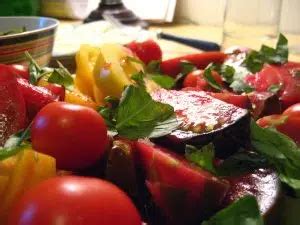
Don’t be afraid to keep it simple initially. Sometimes, the best way to appreciate an heirloom is to let its natural flavor shine through. A perfectly ripe heirloom tomato, sliced thick with a sprinkle of sea salt and a drizzle of good olive oil, is a revelation. A steamed heirloom beet with a knob of butter can be an exquisite side dish.

Simple Preparation Techniques to Highlight Flavor
When working with unique heirloom flavors, often less is more. Focus on cooking methods that enhance rather than mask their distinct qualities.
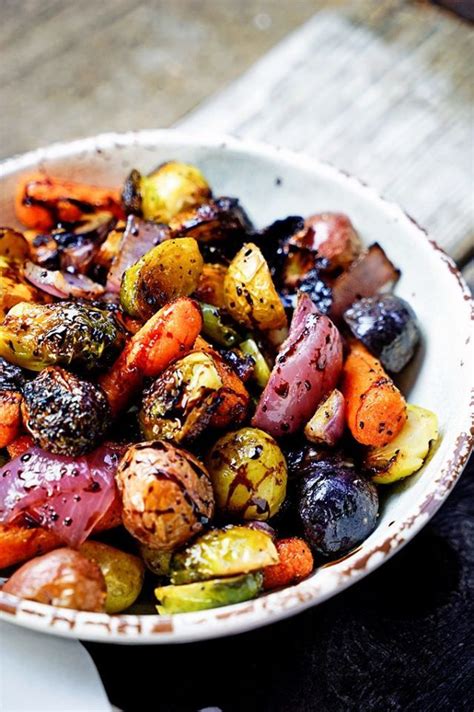
- Roasting: This method caramelizes natural sugars, intensifying flavors. It works wonderfully for heirloom carrots, beets, potatoes, and even certain squashes. Toss with a little olive oil, salt, and pepper.
- Grilling: A smoky char can add incredible depth. Heirloom bell peppers, eggplant, zucchini, and even hardy greens like collards or kale can be fantastic on the grill.
- Sautéing: Quick sautéing with minimal fat and aromatics (like garlic or shallots) preserves crispness and highlights delicate flavors, perfect for heirloom greens or tender beans.
- Raw Preparations: For many heirlooms, especially tomatoes, radishes, and certain lettuces, raw applications in salads, salsas, or as garnishes allow their fresh vibrancy to take center stage.
Creative Recipe Adaptations for Your Unique Harvest
Once you understand your heirlooms, you can start incorporating them into more elaborate dishes. Think about their characteristics and how they might substitute or elevate classic recipes.
- Heirloom Tomatoes: Beyond salads, use them for rich, complex sauces (especially paste varieties), vibrant gazpacho, or beautiful tarts. Their varying colors make stunning caprese salads or a rustic bruschetta.
- Unusual Squashes: A ‘Long Island Cheese’ pumpkin is perfect for pies or a creamy soup. A ‘Tromboncino’ squash can be spiralized into “noodles” or sliced for grilling. Delicate summer squashes can be shaved raw into salads or lightly sautéed.
- Colorful Root Vegetables: Purple carrots, striped beets, or variegated radishes add visual appeal and nuanced flavor to roasts, stews, or even a simple slaw. Don’t peel them if the skins are tender; much of the nutrition and color is just beneath the surface.
- Heirloom Greens: Varieties like ‘Red Russian’ kale or ‘Black Seeded Simpson’ lettuce offer different textures and bitterness levels. Use them in stir-fries, quiches, or as a vibrant base for a hearty salad.
Preservation for Year-Round Enjoyment
Sometimes you have an abundance of one type of heirloom. Don’t let it go to waste! Preserving them allows you to enjoy their unique flavors long after the growing season has ended.
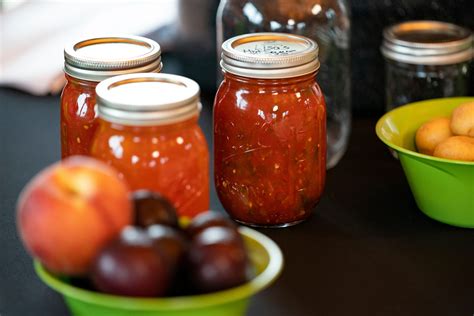
- Canning: Heirloom tomatoes are perfect for canning into sauces, purees, or diced tomatoes. Pickling heirloom cucumbers, beans, or even small squashes can create delightful pantry staples.
- Freezing: Blanch and freeze heirloom beans, peas, corn, or chopped greens. Roasted heirloom bell peppers can be frozen for later use in chilis or stews.
- Drying: Sun-drying or dehydrating heirloom tomatoes intensifies their umami flavor, making them excellent additions to pasta dishes, pestos, or focaccia.
Embrace the Imperfect and Experiment
Heirloom vegetables are often “imperfect” in shape, size, and even color – and that’s their charm! Don’t let a knobby carrot or a misshapen tomato deter you. These quirks often indicate deeper flavor and a richer story. Be willing to experiment, combine different varieties, and adapt recipes as you go. The joy of cooking with heirlooms comes from celebrating their natural beauty and diverse culinary potential.
By understanding their unique characteristics and employing simple yet effective cooking techniques, you can transform your heirloom garden harvest into truly memorable, real food meals that nourish both body and soul.