Best tips for crispy skin on homegrown roasted chicken?

There’s nothing quite like the satisfaction of roasting a chicken you’ve raised yourself. The flavor is unmatched, but achieving that coveted, crackling-crisp skin can sometimes be a challenge. Homegrown chickens, with their natural diet and lifestyle, often have a slightly different fat distribution and skin texture than commercially raised birds. However, with a few key techniques, you can ensure your roasted masterpiece boasts skin that’s as delectable as the meat underneath.
The Foundation: Moisture Management is Key
The number one enemy of crispy skin is moisture. Even the slightest dampness will steam the skin instead of letting it crisp up. This step is critical and often overlooked.
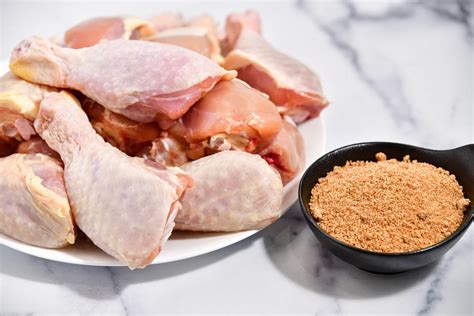
Pat It Dry, Thoroughly: Before you do anything else, remove the chicken from its packaging and pat it down aggressively with paper towels, both inside and out. Get into every crevice, under the wings, and around the leg joints. The dryer the skin, the crispier it will become.
Salt and Air Dry: Once patted dry, sprinkle the chicken generously with salt (kosher salt is ideal) all over the skin. The salt helps draw out any residual moisture. Then, place the chicken, uncovered, on a wire rack set over a baking sheet in the refrigerator for at least 4 hours, or ideally overnight (up to 24 hours). This allows the skin to dry out completely, almost like a natural dehydration process, ensuring a superior crunch.

Preparing for Perfection
With a dry bird, you’re halfway there. Now it’s time to set the stage for that golden, crispy finish.
Season Generously, Under and Over: Don’t be shy with your seasoning. Beyond the initial salt, consider a rub of your favorite herbs and spices. For an extra boost of flavor and crispiness, gently separate the skin from the breast meat and rub a little butter, oil, or herb paste directly onto the meat. Then, lightly rub the exterior skin with a high smoke point oil (like avocado or grapeseed oil) or a thin layer of softened butter. This fat will help conduct heat and promote browning.
Trussing (Optional but Recommended): Trusssing the chicken helps it cook more evenly, preventing the breast from drying out while the legs finish. It also tucks in the wings and legs, keeping them from burning and contributing to a more compact, even surface for crisping.
The Roasting Process: Heat and Technique
How you roast your chicken is just as important as the preparation.
High Heat Start: Begin your roast in a very hot oven, typically 425-450°F (220-230°C), for the first 15-20 minutes. This initial blast of high heat will shock the skin, causing it to render fat and crisp up quickly. Then, reduce the oven temperature to 375-400°F (190-200°C) for the remainder of the cooking time.
Use a Roasting Rack: Always roast your chicken on a V-rack or a flat wire rack set inside a roasting pan. This elevates the chicken, allowing hot air to circulate all around the bird, including the bottom, which prevents the underside from getting soggy.
Don’t Baste Too Much: While basting can add flavor, it also reintroduces moisture to the skin, potentially hindering crispiness. If you must baste, do so sparingly and avoid pouring liquid directly over the skin. Or, simply rely on the fats and seasonings you’ve applied.
Monitor Temperature: The chicken is done when a meat thermometer inserted into the thickest part of the thigh (without touching bone) reads 165°F (74°C). Overcooking can dry out the meat, while undercooking is unsafe.

Post-Roast Essentials for Ultimate Crispiness
Your work isn’t done when the chicken comes out of the oven.
Resting is Non-Negotiable: Once roasted, remove the chicken from the oven and tent it loosely with foil. Let it rest for at least 15-20 minutes before carving. This allows the juices to redistribute throughout the meat, keeping it moist, and surprisingly, helps the skin to maintain its crispness by allowing steam to escape rather than re-condensing on the skin.
Carve Thoughtfully: When carving, try to keep the crispy skin attached to the meat as much as possible to ensure every bite is a delightful combination of succulent meat and crunchy skin.

Conclusion
Achieving perfectly crispy skin on your homegrown roasted chicken is a culinary triumph that’s well within your reach. By meticulously managing moisture, preparing the bird thoughtfully, employing the right roasting techniques, and allowing for proper resting, you can elevate your roast chicken from great to truly unforgettable. Prepare for a symphony of flavors and textures that celebrate the wholesome goodness of your efforts.