Best tips for making flavorful, rich homemade beef stew without tough meat?

Mastering the Art of Tender, Flavorful Beef Stew
There’s nothing quite like a steaming bowl of homemade beef stew – rich, savory, and incredibly comforting. But the dream can quickly turn into a culinary nightmare if you end up with dry, tough meat. Achieving that melt-in-your-mouth tenderness while building layers of profound flavor is simpler than you might think. Follow these expert tips to create a beef stew that will impress every time.
1. Start with the Right Cut of Beef
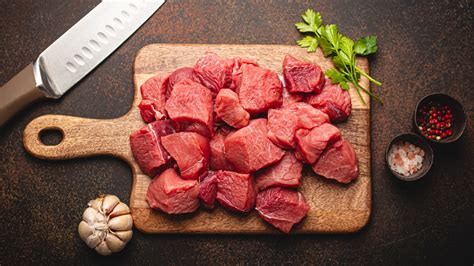
The foundation of a tender stew begins with your choice of meat. While lean cuts might seem healthier, they’re not suitable for long braising. Instead, opt for cuts with connective tissue and marbling, which break down during slow cooking, resulting in succulent meat. Chuck roast (from the shoulder), short ribs, or beef shanks are excellent choices. Cube the meat into 1.5 to 2-inch pieces; this size allows for even browning and prevents it from drying out during the long cook time.
2. Don’t Skip the Browning Step
Browning the beef is perhaps the most crucial step for developing deep, complex flavors. This process, known as the Maillard reaction, creates a rich, savory crust that adds immense depth to your stew. Pat the beef thoroughly dry with paper towels before browning – moisture will steam the meat instead of searing it. Work in batches to avoid overcrowding the pan, ensuring each piece gets a beautiful, dark sear on all sides. Use a heavy-bottomed pot, like a Dutch oven, which retains heat well.
3. Build Flavor Layers with Aromatics and Liquids
After browning the beef and setting it aside, use the fond (the browned bits stuck to the bottom of the pot) to build your flavor base. Sauté aromatics like chopped onions, carrots, and celery until softened. Add minced garlic and a tablespoon of tomato paste, cooking for a minute or two until fragrant. Then, deglaze the pot with a splash of red wine, beer, or beef broth, scraping up all those flavorful bits from the bottom. This step is essential for a rich broth.

4. The Magic of Low and Slow Cooking
Patience is key to tender beef stew. Once all your ingredients are in the pot – beef, aromatics, liquid (enough to almost cover the meat), herbs (like bay leaves and thyme), and seasonings – bring it to a simmer, then reduce the heat to low, cover tightly, and cook slowly. For stovetop, maintain a gentle simmer; for oven, aim for 325°F (160°C). This low, slow braising allows the connective tissues to break down gradually, transforming tough cuts into fork-tender morsels. Cook for at least 2.5 to 3 hours, or even longer, until the meat is easily shredded.
5. Timing Your Vegetables and Thickening
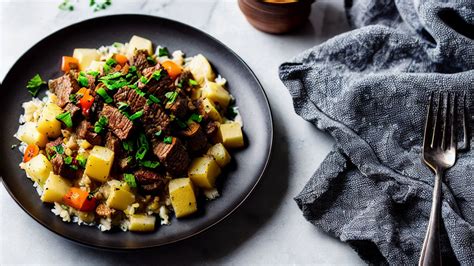
Root vegetables like potatoes and heartier carrots can be added during the last hour or so of cooking to prevent them from becoming mushy. More delicate vegetables, such as peas or green beans, should only be added in the final 15-20 minutes. To achieve a rich, thick consistency, you have a few options: you can dredge the beef in flour before browning, make a slurry with cornstarch and water to stir in at the end, or simply reduce the stew with the lid off for the last 30 minutes. Always taste and adjust seasonings (salt, pepper, a dash of Worcestershire sauce) at the end.
6. Let it Rest (or Refrigerator Overnight)
For ultimate flavor development, consider making your stew a day ahead. A night in the refrigerator allows the flavors to meld and deepen significantly. When reheating, the stew often tastes even better. If serving immediately, let the stew rest off the heat for 10-15 minutes before serving. This allows the meat to reabsorb some of the juices, ensuring it’s as succulent as possible.
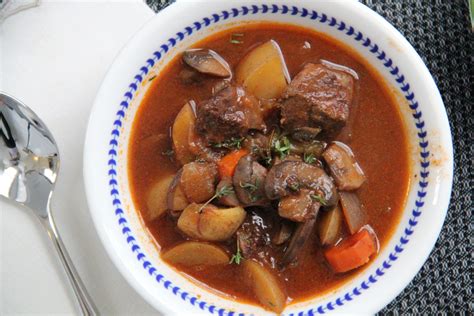
By following these steps – from selecting the right cut and mastering the browning to the patient, slow cook – you’ll consistently create a homemade beef stew that is bursting with flavor and boasts unbelievably tender meat. Say goodbye to tough stew and hello to comfort in a bowl!