


Best tips for packing homemade, real food to stay fresh on a country road trip?

Embarking on a country road trip offers unparalleled freedom and scenic beauty, and what better way to enhance the experience than with wholesome, homemade food? Ditching fast-food stops not only saves money but also ensures you’re fueling your journey with real, nourishing ingredients. The key is knowing how to pack effectively to keep everything fresh and delicious from start to finish.
Strategic Meal Planning and Pre-Trip Prep
The foundation of successful road trip dining lies in thoughtful planning. Before you even think about containers, map out your meals and snacks for each day. Opt for foods that travel well and are less prone to spoilage. Think about hearty sandwiches, pre-cooked pasta salads, grain bowls, roasted vegetables, and hard-boiled eggs. Avoid anything overly saucy or delicate.
Pre-cooking and portioning are your best friends. Cook grains, chop vegetables, and prepare proteins in advance. Divide meals into individual servings to make roadside stops easier and minimize waste. Freeze any liquids or semi-liquids (like soup or chili) in portions; they’ll act as extra ice packs and thaw into a ready-to-eat meal.
Choose Your Containers Wisely
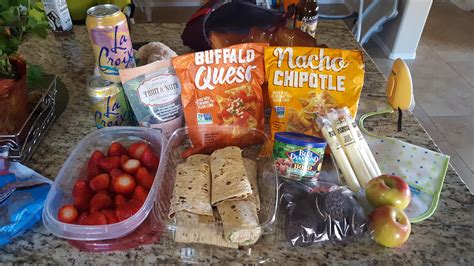
The right containers are crucial for food safety and preventing leaks. Invest in high-quality, airtight, and leak-proof containers. Glass containers are excellent for reheating and don’t retain odors, but they can be heavy and breakable. Sturdy plastic containers (BPA-free) are lighter and more durable for travel. Silicone bags are also a fantastic, flexible, and reusable option for snacks and softer items.
For items like sandwiches or wraps, use reusable sandwich bags or beeswax wraps to reduce single-use plastic. Label everything clearly with contents and the date prepared to keep track of freshness, especially on longer trips.
Mastering the Cooler: The Cold Chain is Key
Your cooler is the heart of your road trip kitchen. A good quality, insulated cooler is non-negotiable. Hard-sided coolers generally offer better insulation than soft-sided ones. For longer trips, consider a cooler with wheels for easy transport.
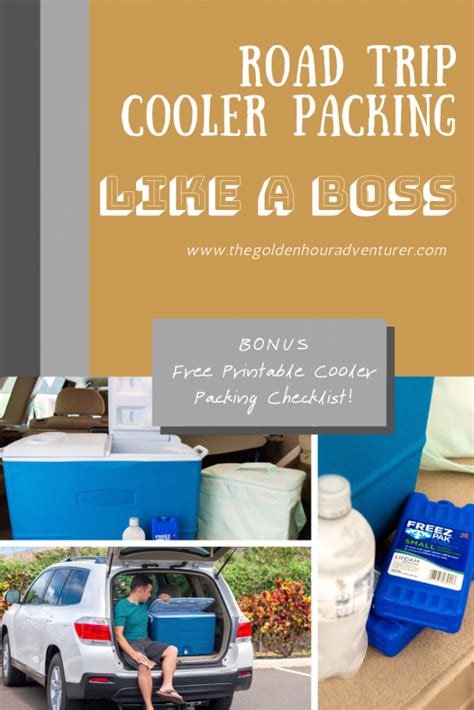
Packing technique is vital: Start with a layer of ice or frozen gel packs at the bottom. Place items that need to stay coldest, like raw meats or dairy, directly on top of the ice. Follow with less sensitive items. Fill any empty spaces with more ice packs, frozen water bottles, or even crumpled newspaper to minimize air pockets and maintain consistent cold temperatures. Keep a separate, smaller cooler for frequently accessed drinks and snacks to avoid constantly opening your main food cooler, which helps preserve its coldness.
Prioritize Food Safety: Keep It Cold!
The danger zone for foodborne bacteria is between 40°F (4°C) and 140°F (60°C). Your goal is to keep perishable foods below 40°F. If you can, use a thermometer inside your cooler to monitor the temperature. Replenish ice as needed, especially during longer stretches in warm climates.
Always pack raw meats and poultry separately from ready-to-eat foods to prevent cross-contamination. Use separate cutting boards and utensils if you plan on any roadside preparation. Wash your hands thoroughly before and after handling food, or use hand sanitizer if water isn’t available.
Smart Snack Choices for Easy Access
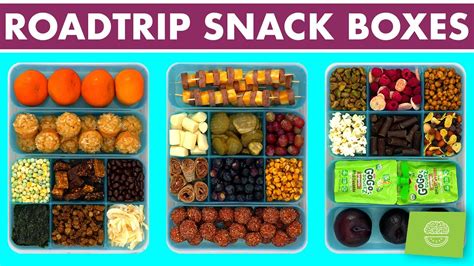
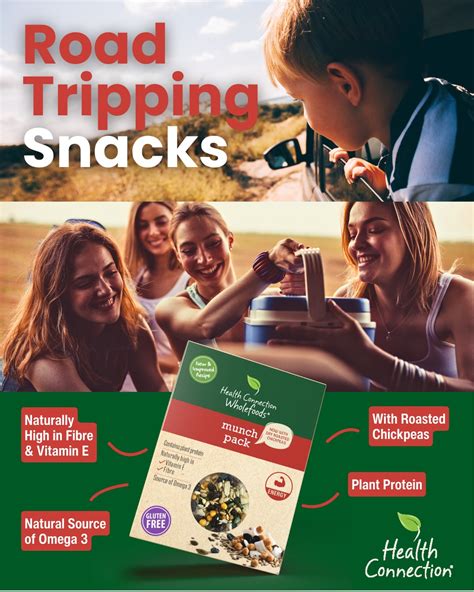
Beyond main meals, a variety of healthy snacks will keep energy levels up and prevent impulsive junk food purchases. Think about fresh fruits (apples, oranges, bananas that aren’t too ripe), washed and cut vegetables with hummus, trail mix, nuts, seeds, granola bars, and cheese sticks. Pack these in easily accessible bags or a small, separate cooler/bag that doesn’t require rummaging through your main food supply.
Avoid anything that melts easily in heat, crumbles excessively, or requires complex preparation. Portioned snacks save time and mess.
Hydration and Convenience
Don’t forget about drinks! Reusable water bottles are a must. Fill them up before you leave and refill at gas stations or rest stops. Consider packing some homemade iced tea or infused water for a refreshing change. Pack reusable plates, cutlery, and napkins to reduce waste. A small cutting board and a good knife can be incredibly useful for impromptu roadside picnics.
Clean-Up on the Go
Finally, prepare for the aftermath. Pack a roll of paper towels, wet wipes, hand sanitizer, and plenty of trash bags. Designate a specific trash bag for food waste and another for recyclables. Keeping your car clean and tidy will make the whole experience more enjoyable and prevent unwanted smells.
With a little planning and the right tools, packing homemade food for your country road trip can elevate your journey, keeping you well-fed, healthy, and happy as you explore the open road.