

Best tips for preserving a bounty of garden tomatoes for homemade sauces?
Why Preserve Your Tomato Bounty?
The joy of a thriving garden often culminates in an explosion of ripe, succulent tomatoes. While fresh tomatoes are a summer delight, the sheer volume can be overwhelming. Preserving this bounty ensures you can enjoy the rich, vibrant flavor of homemade tomato sauce long after the growing season ends. It’s not just about reducing waste; it’s about capturing peak flavor that store-bought sauces simply can’t match.
Essential First Steps for All Methods
No matter which preservation method you choose, a few initial steps are crucial for quality and safety:
- Selection: Choose firm, ripe, unblemished tomatoes. Discard any that are bruised, moldy, or overripe.
- Washing: Thoroughly wash tomatoes under cool running water.
- Coring: Remove the tough core from the top of each tomato.
- Blanching & Peeling (Optional but Recommended): For smoother sauces, blanching makes peeling easy. Score an ‘X’ on the bottom of each tomato, dip them in boiling water for 30-60 seconds, then immediately transfer to an ice bath. The skins will slip right off.
Method 1: Freezing Tomatoes (The Easiest)
Freezing is undoubtedly the simplest way to preserve tomatoes, requiring minimal equipment and effort. It’s perfect for those new to preserving or with limited time.
Whole or Halved Freezing:
- Wash and core tomatoes. Peeling is optional; skins will easily slip off after thawing.
- Place whole or halved tomatoes on a baking sheet lined with parchment paper, ensuring they don’t touch.
- Freeze until solid (a few hours).
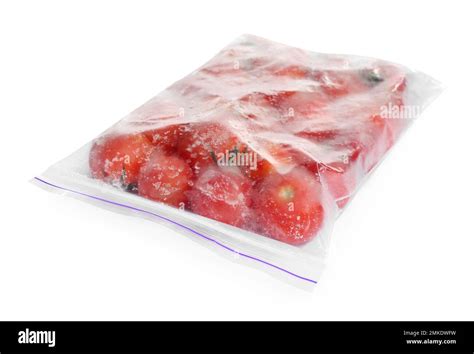
- Transfer the frozen tomatoes to freezer-safe bags or containers. Remove as much air as possible to prevent freezer burn.
- Label with the date. Use within 8-12 months for best quality.
Pureed or Roasted Puree Freezing:
For a more sauce-ready option, you can blend blanched tomatoes into a puree or roast them first for a deeper flavor profile (see Method 3) before freezing. Pour the puree into ice cube trays for small portions or directly into freezer-safe containers, leaving headspace for expansion.
Method 2: Water Bath Canning for Long-Term Storage
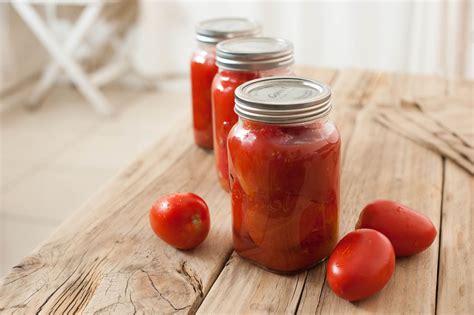
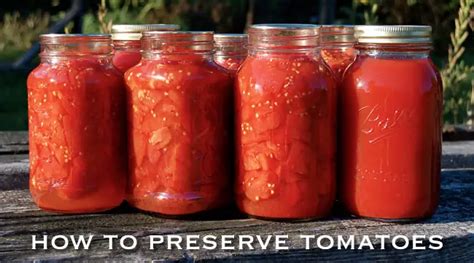
Canning offers shelf-stable tomatoes that don’t require freezer space. It’s more involved but incredibly rewarding. Tomatoes are a high-acid food, making them suitable for water bath canning, but acidification is still crucial for safety.
Key Steps for Canning Crushed Tomatoes:
- Prepare Tomatoes: Wash, core, and blanch/peel tomatoes. Chop them into desired pieces.
- Acidification: Add 1 tablespoon of bottled lemon juice or 1/4 teaspoon of citric acid per pint jar (2 tablespoons lemon juice or 1/2 teaspoon citric acid per quart jar). This is a non-negotiable step for safety.
- Cook (Optional): Gently simmer chopped tomatoes in a large pot for 5-10 minutes to release juices.
- Jar Preparation: Sterilize pint or quart canning jars and lids according to manufacturer instructions. Keep jars hot.
- Fill Jars: Ladle hot tomatoes into hot jars, leaving 1/2-inch headspace. Remove air bubbles with a non-metallic utensil. Wipe rims clean.
- Seal & Process: Place lids and screw bands fingertip-tight. Process jars in a boiling water canner for the recommended time (typically 35-45 minutes for pints, 40-50 minutes for quarts, adjusting for altitude).
- Cool & Store: Remove jars, let cool undisturbed for 12-24 hours. Check seals. Store properly sealed jars in a cool, dark place.

Method 3: Roasting Tomatoes for Intense Flavor
Roasting tomatoes before preserving concentrates their sugars and deepens their flavor, resulting in an incredibly rich base for sauces. This method is excellent whether you plan to freeze or can your roasted tomatoes.
How to Roast:
- Preparation: Wash and halve tomatoes (cherry tomatoes can be left whole). Remove cores.
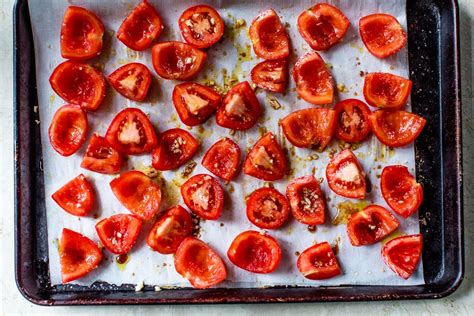
- Seasoning: Arrange tomatoes cut-side up on a baking sheet. Drizzle with olive oil, sprinkle with salt, pepper, and optional herbs like oregano or thyme, and minced garlic.
- Roasting: Roast in a preheated oven at 350-400°F (175-200°C) for 45-90 minutes, depending on the size of your tomatoes, until softened, slightly caramelized, and juicy.
- Cool & Process: Let cool slightly. You can then pack them whole, blend them into a sauce, or crush them. From here, you can freeze them (as in Method 1) or process them via water bath canning (as in Method 2, remembering acidification).
Additional Tips for Superior Sauce
- Add-ins: When making sauce from your preserved tomatoes, consider sautéing onions, garlic, and bell peppers as a flavorful base. Fresh herbs, a splash of red wine, or a pinch of sugar (to balance acidity) can elevate your sauce.
- Reduce Moisture: Garden tomatoes are often very watery. If your sauce is too thin, simmer it uncovered for a longer period to reduce the liquid and concentrate the flavors.
- Proper Storage: Label all preserved goods with the date and contents. Store canned goods in a cool, dark pantry. Frozen goods should be kept at 0°F (-18°C) or colder.

Enjoy Your Homemade Harvest
Preserving your garden tomatoes is a labor of love that pays dividends throughout the year. Whether you opt for the simplicity of freezing, the shelf-stability of canning, or the intense flavor of roasting, you’ll be rewarded with a pantry full of wholesome ingredients ready to transform into countless delicious homemade sauces. Experiment with different methods to find what works best for your garden yield and culinary preferences.