
Best tips for preserving a bumper crop of garden tomatoes?

Don’t Let Your Tomato Harvest Go to Waste!
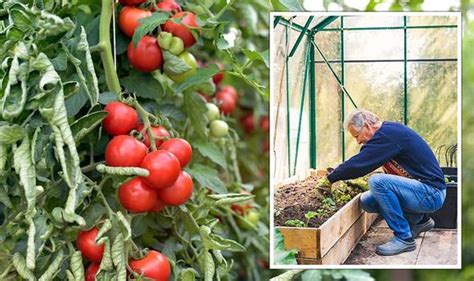
There’s nothing quite like the taste of a fresh, sun-ripened garden tomato. But when your plants decide to go into overdrive, you can quickly find yourself overwhelmed with more tomatoes than you know what to do with. Fear not! With a little planning and effort, you can enjoy the flavor of your summer harvest all year long. Here are the best tips for preserving that bumper crop of garden tomatoes.
1. Freezing Tomatoes: The Easiest Method
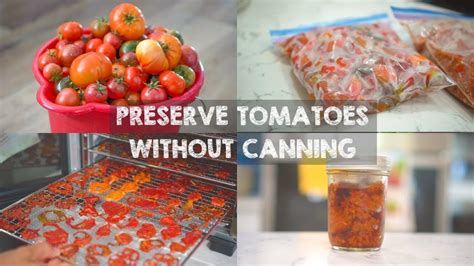
Freezing is arguably the simplest way to preserve tomatoes, requiring minimal effort and no special equipment beyond freezer bags or containers. You can freeze them whole, chopped, or puréed.
- Whole Tomatoes: Wash and core your tomatoes, then place them on a baking sheet to freeze solid. Once frozen, transfer them to freezer bags. The skins will slip right off once thawed, making them perfect for sauces.
- Chopped Tomatoes: For recipes that call for diced tomatoes, simply chop them raw and freeze in portions.
- Puréed Tomatoes: Blend raw or blanched tomatoes into a smooth purée, then freeze in ice cube trays or larger containers. This is fantastic for adding a burst of fresh tomato flavor to soups and stews.
2. Canning Tomatoes: For Long-Term Storage
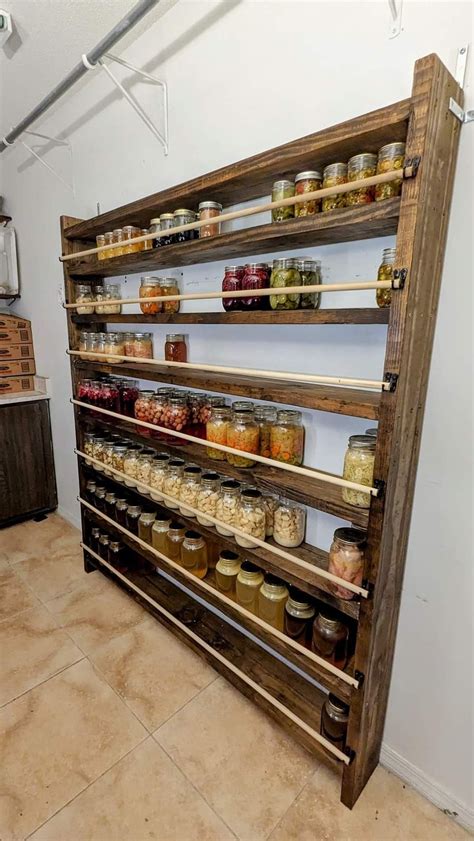
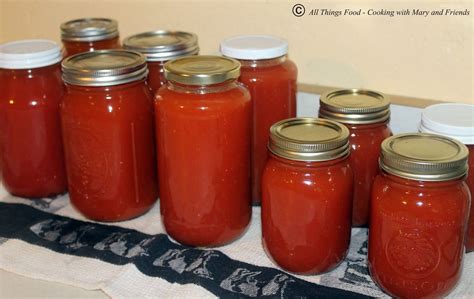
Canning is a time-honored tradition that allows you to store tomatoes at room temperature for extended periods. Tomatoes are high-acid, making them suitable for water bath canning, though adding a little lemon juice or citric acid is often recommended for safety.
- Whole or Diced Tomatoes: Peel, core, and then pack raw or hot tomatoes into sterilized jars, leaving headspace. Add a teaspoon of lemon juice or 1/4 teaspoon of citric acid per quart jar. Process in a boiling water canner according to altitude-adjusted times.
- Crushed Tomatoes: Simmer chopped tomatoes until soft, crush them, and then pack into jars. Add acid and process.
- Tomato Sauce: Make your favorite sauce (without too many low-acid ingredients like onions or peppers, or adjust processing times for mixed sauces) and hot pack into jars before processing.

3. Drying Tomatoes: Intense Flavor Concentrates
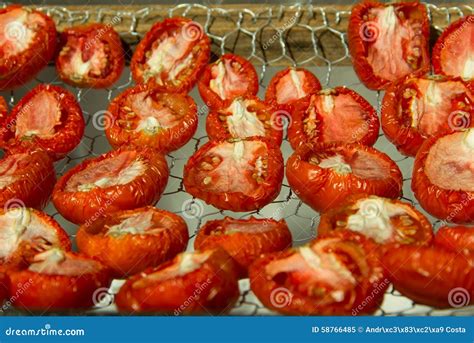
Drying tomatoes concentrates their flavor, turning them into sweet, chewy nuggets perfect for salads, pasta dishes, or snacking. This can be done in a dehydrator or a low oven.
- Dehydrator Method: Slice tomatoes 1/4 to 1/2 inch thick and arrange them in a single layer on dehydrator trays. Dry at 135°F (57°C) for 8-12 hours, or until leathery and pliable.
- Oven Method: Place sliced tomatoes on parchment-lined baking sheets. Bake at 175-200°F (79-93°C) with the oven door slightly ajar to allow moisture to escape. This can take 6-10 hours or more.
- Storage: Store dried tomatoes in airtight containers in a cool, dark place, or in olive oil (refrigerated) for an extra treat.
4. Crafting Sauces, Salsas, and Ketchup
Transforming your fresh tomatoes into ready-to-eat sauces, salsas, and ketchup is a rewarding way to preserve their bounty. These can often be canned or frozen.
- Tomato Sauce/Marinara: Cook down your tomatoes with herbs and aromatics, then can or freeze in meal-sized portions.
- Salsa: Make large batches of your favorite salsa recipe. Ensure you follow a tested canning recipe if you plan to water bath can it, as the acidity balance is crucial.
- Ketchup: Homemade ketchup is a delicious alternative to store-bought. It requires a longer cooking time but is well worth the effort.
5. General Tips for Success
Regardless of the method you choose, a few general tips will help ensure your preservation efforts are successful and safe:
- Start with Quality Tomatoes: Use ripe, unblemished tomatoes for the best flavor and texture.
- Cleanliness is Key: Always work with clean hands, utensils, and surfaces, especially when canning.
- Follow Tested Recipes: For canning, always use tested recipes from reputable sources (like university extensions) to ensure food safety.
- Label and Date: Clearly label all preserved items with the contents and date to keep track of your stock.
- Batch Processing: Don’t try to do too much at once. Break down your harvest into manageable batches over a few days if needed.
With these tips, your bumper crop of garden tomatoes won’t just be a fleeting summer pleasure. You’ll be able to enjoy the taste of summer sunshine in your meals throughout the year, making all that hard work in the garden truly pay off.