


Best tips for preserving a bumper garden harvest naturally?

The satisfaction of harvesting a bountiful garden is immense, but the challenge often lies in enjoying that fresh produce beyond its immediate season. Opting for natural preservation methods not only helps maintain the nutritional integrity and vibrant flavors of your harvest but also reduces reliance on processed foods and minimizes waste. Dive into these time-honored techniques to safeguard your garden’s goodness all year long.
Drying: Concentrating Flavors Naturally
Drying is one of the oldest and simplest forms of food preservation, effectively removing moisture to inhibit spoilage. This method works wonderfully for herbs like basil, oregano, and thyme, which can be air-dried or machine-dried. Fruits such as apples, berries, and tomatoes transform into intensely flavorful snacks or ingredients when dehydrated. For vegetables like zucchini and peppers, thin slicing is key. Ensure proper ventilation and avoid humidity during the drying process to prevent mold.

Fermentation: The Art of Live Food Preservation
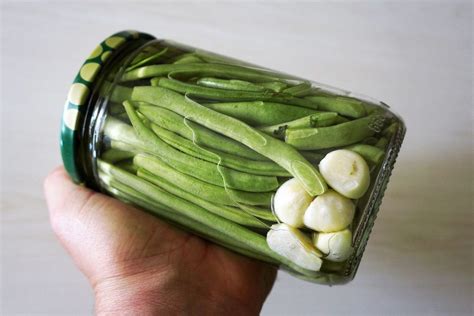
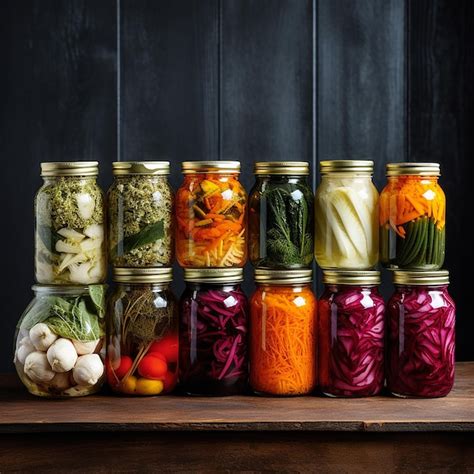
Fermentation is a powerful technique that uses beneficial microorganisms to transform and preserve food, often enhancing its nutritional value and creating unique flavors. Lacto-fermentation, in particular, is excellent for vegetables like cabbage (sauerkraut), cucumbers (pickles), and a mix of garden produce (kimchi). The process involves submerging vegetables in a brine, allowing lactic acid bacteria to thrive and create an acidic environment that inhibits spoilage pathogens. Beyond vegetables, kombucha from sweetened tea is another popular fermented delight.
Cool Storage & Root Cellaring: Nature’s Refrigerator
For certain crops, simply storing them in a cool, dark, and moderately humid environment can extend their life significantly. Think of potatoes, carrots, beets, apples, and onions, which historically were kept in root cellars. If you don’t have a dedicated root cellar, a cool basement, unheated garage, or even a buried container can serve a similar purpose. The key is consistent temperature (just above freezing) and appropriate humidity to prevent dehydration or sprouting.
Freezing: Capturing Freshness Instantly
Freezing is arguably the easiest way to preserve the ‘just picked’ quality of many fruits and vegetables. Most vegetables benefit from blanching (briefly boiling then plunging into ice water) before freezing to stop enzyme action that can degrade flavor and texture. Berries, peas, corn, and beans are prime candidates for freezing. Flash freezing individual pieces on a baking sheet before transferring to freezer bags prevents clumping, making portions easy to retrieve.

Canning: Sealing in Summer’s Bounty
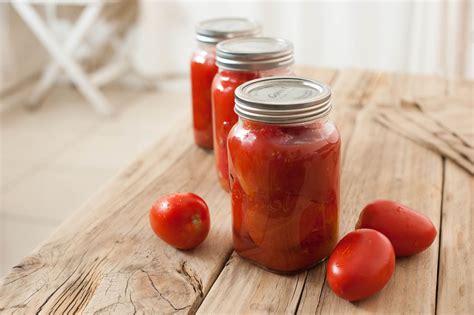
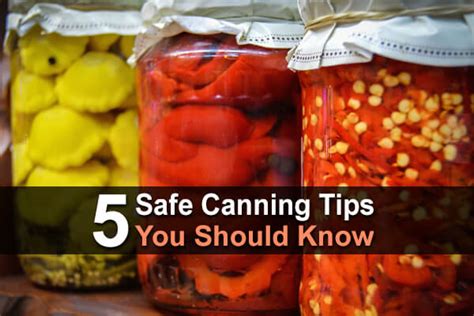
Canning involves sealing food in jars and then heating them to a temperature that destroys spoilage microorganisms and creates a vacuum seal. Water bath canning is suitable for high-acid foods like fruits, jams, jellies, and pickled vegetables. For low-acid foods such as most vegetables, meats, and soups, a pressure canner is essential to reach temperatures high enough to eliminate dangerous bacteria. Always follow tested recipes and proper safety guidelines when canning to ensure a safe and delicious outcome.

Embracing natural preservation methods empowers you to enjoy the fruits (and vegetables!) of your labor long after the growing season ends. By utilizing techniques like drying, fermenting, freezing, and canning, you not only extend your harvest but also connect more deeply with the food you eat, savoring sustainable, homemade goodness throughout the year.