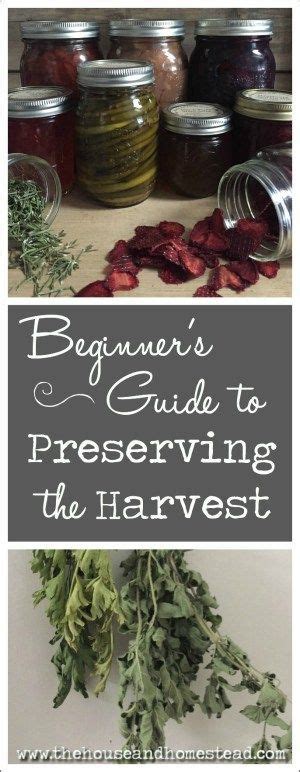




Best tips for preserving seasonal garden produce in easy, real food recipes?

Embrace Your Harvest: Simple Ways to Preserve Garden Goodness
There’s nothing quite like the satisfaction of harvesting fresh produce from your own garden. The vibrant colors, the incredible flavors – it’s a true taste of summer. However, with abundance comes the delicious dilemma: how to enjoy it all before it spoils? The good news is that preserving your seasonal bounty doesn’t have to be complicated or require special equipment. With a focus on real food ingredients and easy techniques, you can enjoy the fruits (and vegetables) of your labor long after the growing season ends.
This article will guide you through practical methods to preserve your garden produce, transforming it into wholesome, ready-to-use ingredients and meals that will nourish you throughout the year.
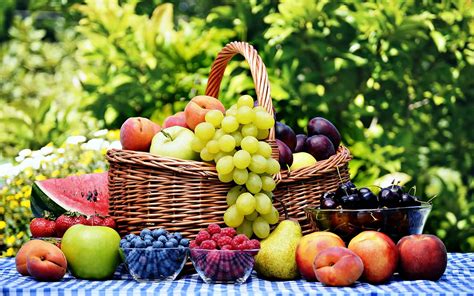
Freezing: The Easiest Path to Preservation
Freezing is perhaps the simplest and most accessible method for preserving most garden produce. It requires minimal effort and effectively locks in nutrients and flavor.
Blanching for Vegetables
For many vegetables like green beans, broccoli, peas, and corn, a quick blanching step is key to maintaining quality. Briefly immerse vegetables in boiling water, then immediately transfer them to an ice bath to stop the cooking process. This preserves color, texture, and enzymatic activity that can degrade flavor over time. After drying thoroughly, spread them on a baking sheet to freeze individually before transferring to freezer bags.
Freezing Fruits
Berries, sliced peaches, mangoes, and other soft fruits can be frozen whole or in pieces. Simply wash, dry, and spread them in a single layer on a baking sheet. Once frozen solid, transfer them to airtight freezer bags or containers. They’re perfect for smoothies, desserts, or thawed for toppings.
Purees and Sauces
Tomatoes can be roasted and pureed into sauce, pumpkin or squash can be cooked and pureed, and herbs can be blended with a little oil to create pesto. These purees and sauces can be frozen in ice cube trays or larger freezer-safe containers for convenient future use in soups, stews, or pasta dishes.

Canning: Classic Methods for Shelf-Stable Staples
Canning allows you to create shelf-stable jars of deliciousness, from jams and jellies to pickles and sauces. While it requires a bit more equipment and attention to detail, the results are incredibly rewarding.
Water Bath Canning
This method is suitable for high-acid foods like fruits, jams, jellies, pickles, and most tomato products (often with added acidity like lemon juice or vinegar). The jars are submerged in boiling water for a specific time, creating a vacuum seal that preserves the contents.
Simple Canning Recipes
- Berry Jam: Combine fresh berries with sugar (or a low-sugar pectin recipe) and lemon juice. Cook until thickened, then ladle into sterilized jars and process in a water bath.
- Dill Pickles: Cucumbers, vinegar, water, salt, garlic, and dill transform into crisp, tangy pickles perfect for sandwiches or snacking.
- Crushed Tomatoes: Blanch, peel, and crush ripe tomatoes, then cook lightly with a pinch of salt. Add bottled lemon juice for safety, then process in a water bath.
Dehydrating: Concentrating Flavor and Nutrients
Dehydrating removes moisture, inhibiting spoilage and concentrating the natural flavors of your produce. It’s excellent for creating nutrient-dense snacks and ingredients for cooking.
Fruits for Snacking
Slice apples, bananas, peaches, or plums thinly and arrange them on dehydrator trays. Dehydrated fruit makes a fantastic, portable snack or addition to granola and trail mix. Fruit leather made from pureed fruit is another kid-friendly option.
Vegetables and Herbs
Tomatoes can be sliced and dried to make ‘sun-dried’ tomatoes, perfect for adding intense flavor to pasta or salads. Kale can be seasoned and dehydrated for crispy kale chips. Herbs like basil, oregano, and thyme dry beautifully, providing aromatic additions to your winter cooking. Once completely dry, store in airtight containers.

Fermentation: Probiotic-Rich Preservation
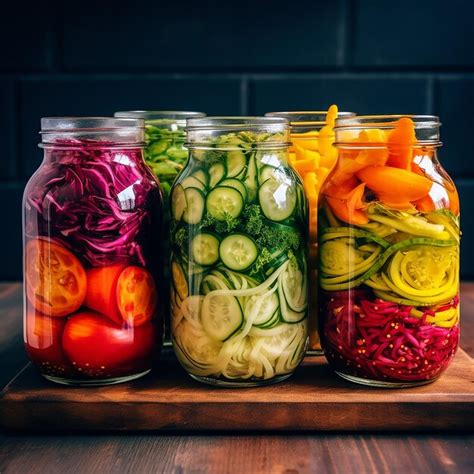
Fermentation is an ancient preservation method that not only extends the life of your produce but also enhances its nutritional value by creating beneficial probiotics. It’s surprisingly simple to get started.
Popular Ferments
- Sauerkraut: Finely shredded cabbage, massaged with salt, packed tightly into a jar, and left to ferment.
- Lacto-Fermented Pickles: Cucumbers, water, salt, and spices combine to create tangy, probiotic-rich pickles without vinegar.
- Kimchi: A spicy Korean fermented cabbage dish that can incorporate a variety of garden vegetables.
The key to fermentation is a clean environment, the correct salt-to-produce ratio, and allowing time for beneficial bacteria to work their magic. Store fermented foods in the refrigerator once fermentation is complete to slow the process.
Cook Ahead: Batch Cooking for Future Meals
Sometimes the best way to preserve your harvest is to simply cook large batches of meals that freeze well. This method directly translates your garden bounty into convenient, ready-to-eat real food.
- Soups and Stews: Use an abundance of vegetables like carrots, celery, potatoes, zucchini, and corn to create hearty soups or stews. Cook in large quantities and freeze in meal-sized portions.
- Roasted Vegetables: Roasting brings out the sweetness in many vegetables. Roast large trays of mixed garden veggies (peppers, onions, squash, root vegetables) and freeze them. They can be added to pasta, frittatas, or simply reheated as a side dish.
- Pesto: Blend fresh basil with garlic, pine nuts (or walnuts), Parmesan cheese, and olive oil. Freeze pesto in ice cube trays, then transfer the cubes to a freezer bag. Pop out a cube whenever you need a burst of fresh flavor for pasta, chicken, or sandwiches.
Enjoying Your Garden All Year Round
Preserving your seasonal garden produce is a rewarding endeavor that connects you more deeply with your food and the seasons. By employing these easy, real food methods – freezing, canning, dehydrating, fermenting, and batch cooking – you can significantly reduce food waste, save money, and enjoy the unparalleled flavor and nutrition of your garden’s bounty year-round. Start with a method that feels approachable, experiment with different recipes, and soon your pantry and freezer will be stocked with delicious reminders of a fruitful harvest.