Best tips for preserving summer garden produce simply and safely?

Making the Most of Your Bountiful Summer Harvest
Summer gardens often yield an abundance that can be overwhelming. Rather than letting your precious produce go to waste, mastering simple and safe preservation techniques allows you to enjoy the taste of summer long after the season ends. From crisp cucumbers to juicy tomatoes, extending your harvest through the colder months is both rewarding and economical.
Freezing: The Easiest Preservation Method
Freezing is perhaps the simplest and most accessible method for preserving a wide variety of fruits and vegetables. Most vegetables benefit from blanching—a quick dip in boiling water followed by an fresh ice bath—before freezing. This stops enzyme action, preserving color, flavor, and nutrients. For fruits, you can often freeze them whole or sliced on a tray before transferring to freezer bags to prevent clumping. Always use freezer-safe bags or containers, remove as much air as possible, and label clearly with the date.
Canning: Sealing in Summer Flavors
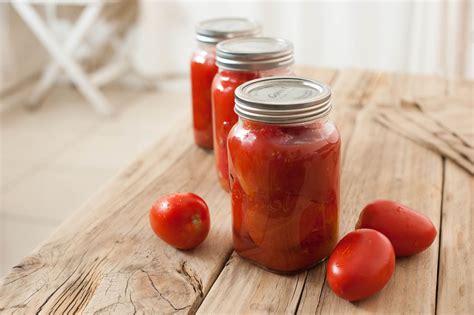
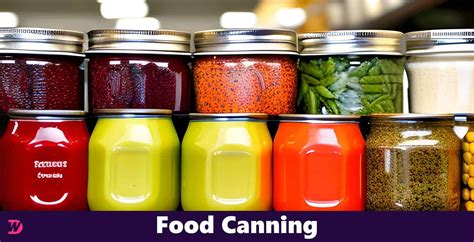
Canning offers a shelf-stable way to preserve produce like jams, jellies, pickles, and even whole fruits and vegetables. There are two primary canning methods:
- Water Bath Canning: Suitable for high-acid foods (pH 4.6 or lower) such as most fruits, fruit spreads, pickles, and tomatoes (with added acid). Jars are submerged in boiling water for a specified time to create a vacuum seal.
- Pressure Canning: Essential for low-acid foods (pH above 4.6) like most vegetables, meats, and soups. A pressure canner reaches temperatures high enough to destroy dangerous bacteria like Clostridium botulinum, which thrives in low-acid, oxygen-free environments. Never attempt to water bath can low-acid foods.
Always follow tested, up-to-date recipes from reputable sources like the USDA or university extension offices to ensure safety.
Dehydrating: Concentrating Natural Sweetness
Dehydration removes moisture from food, inhibiting microbial growth and enzyme activity. This method is excellent for making fruit leathers, dried herbs, sun-dried tomatoes, and vegetable chips. A food dehydrator provides controlled heat and airflow, but some items can also be air-dried or oven-dried at very low temperatures. Ensure foods are dried completely until pliable but not sticky (for fruits) or brittle (for vegetables and herbs) to prevent spoilage. Store dehydrated foods in airtight containers in a cool, dark place.

Pickling and Fermenting: Tangy Delights
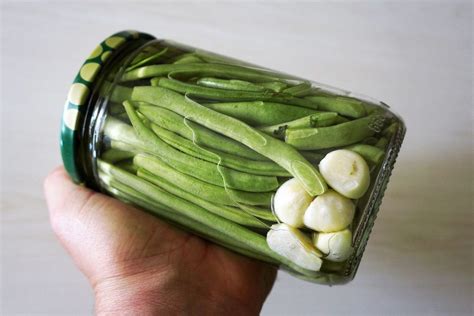
Pickling uses an acidic solution (vinegar) to preserve food, creating classic pickles, relishes, and chutneys. Fermentation, on the other hand, relies on beneficial microorganisms to transform food, producing lactic acid that acts as a natural preservative. Examples include sauerkraut, kimchi, and fermented dill pickles. Both methods not only preserve but also add unique flavors and, in the case of fermentation, probiotics. Always use proper food-grade equipment and maintain sanitary conditions to prevent unwanted microbial growth.

Essential Food Safety Tips for Preservation
Regardless of the method you choose, food safety should always be your top priority:
- Cleanliness is Key: Wash all produce thoroughly, sanitize equipment, and wash your hands frequently.
- Follow Recipes Precisely: Especially for canning, do not alter ingredient ratios, processing times, or methods, as these are crucial for safety.
- Inspect Jars and Seals: Before storing, ensure all canned goods have sealed properly. Discard any jars that don’t seal or show signs of spoilage (bulging lids, mold).
- Label and Date: Clearly label all preserved items with their contents and date of preservation.
- Store Properly: Keep canned goods in a cool, dark place. Frozen foods should remain at 0°F (-18°C) or below. Dehydrated foods in airtight containers.

Enjoying Your Year-Round Harvest
Preserving your summer garden produce is a rewarding endeavor that connects you more deeply with your food source. By utilizing simple, safe, and effective methods like freezing, canning, dehydrating, and pickling, you can savor the vibrant flavors and nutritional benefits of your garden’s bounty throughout the entire year, reducing waste and enhancing your culinary adventures.