
Best tips for restoring rusty cast iron skillets to their glory?

Why Cast Iron Rusts and How to Prevent It (Initially)
Cast iron skillets are beloved for their incredible heat retention and durability, making them culinary workhorses. However, one common nemesis can strike even the most cherished pan: rust. Rust forms when bare cast iron comes into prolonged contact with moisture and oxygen. A well-seasoned pan has a protective, polymerized oil layer that acts as a barrier, but if this layer is compromised or removed, rust can quickly set in. But don’t despair! A rusty skillet is rarely beyond salvation. With a bit of elbow grease and the right techniques, you can restore your cast iron to its former glory.
Assessing the Damage: Light Rust vs. Heavy Rust
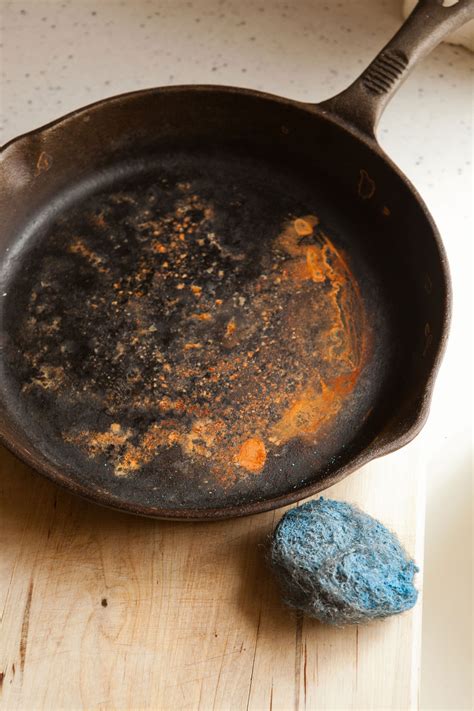
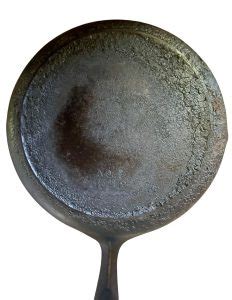
Before you begin, evaluate the extent of the rust. Light surface rust might appear as reddish-brown spots, while heavier rust can be flaky and cover large areas. The severity of the rust will dictate the most effective restoration method.
Method 1: The Scrub and Scrape Attack (Light to Moderate Rust)
For lighter rust, a good old-fashioned scrub is often sufficient. You’ll need:
- Warm water
- Dish soap (yes, for rust removal it’s okay!)
- Steel wool, a stiff brush, or a chainmail scrubber
- A scraper (for stubborn spots)
Steps:
- Rinse the pan with warm water.
- Add a few drops of dish soap (don’t worry, you’re going to re-season it later).
- Aggressively scrub the rusty areas with steel wool or a chainmail scrubber until all visible rust is gone. For particularly stubborn spots, use a metal scraper carefully.
- Rinse thoroughly and proceed immediately to drying.
Method 2: The Vinegar Bath (Moderate to Heavy Rust)
For more extensive rust, a vinegar bath can work wonders. White vinegar is acidic and effectively dissolves rust.
Steps:
- Mix equal parts white vinegar and water in a container large enough to submerge your skillet.
- Submerge the rusty skillet completely in the solution.
- Allow it to soak for a few hours. Check periodically (every 30-60 minutes) as soaking too long can damage the metal, causing pitting.
- Once most of the rust has softened or dissolved, remove the skillet.
- Use steel wool or a stiff brush to scrub off any remaining rust.
- Rinse thoroughly with clean water.
Immediate Drying and Re-Seasoning is Crucial
After any rust removal process, your cast iron skillet will be completely bare and highly susceptible to flash rust. You must dry it immediately and thoroughly, then proceed directly to re-seasoning.
Drying Steps:
- Wipe the skillet dry with a clean cloth or paper towels.
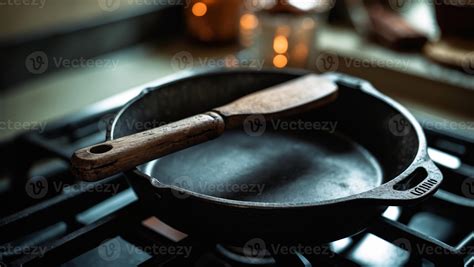
- Place the skillet on a stovetop over medium-low heat for 5-10 minutes. This ensures all moisture evaporates from the pores of the metal. You should see a slight sheen as the last bits of water dissipate.
- Remove from heat and let it cool slightly until it’s safe to handle.
The Art of Re-Seasoning Your Skillet
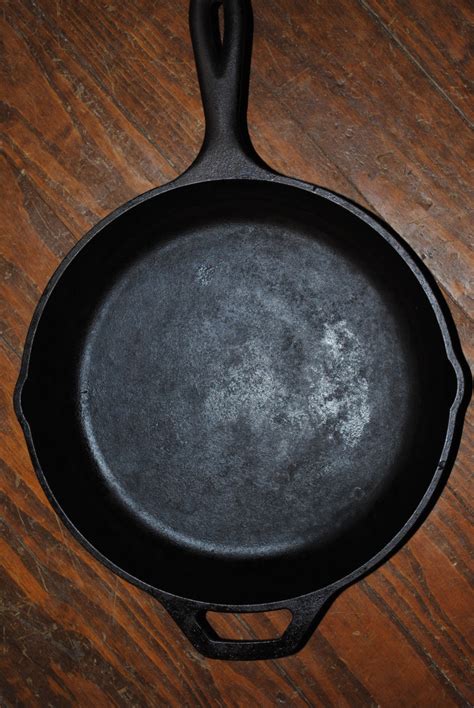
Re-seasoning creates a new, protective non-stick layer. This process polymerizes oil onto the surface of the cast iron, making it smooth, black, and ready for cooking.
What You’ll Need:
- High smoke point oil (e.g., flaxseed oil, grapeseed oil, canola oil, vegetable oil)
- Paper towels
- An oven
Re-Seasoning Steps:
- Preheat Oven: Preheat your oven to 450-500°F (232-260°C).
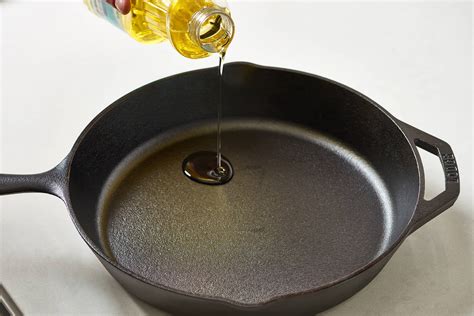
- Apply a Thin Layer of Oil: Pour about a teaspoon of your chosen oil into the skillet. Using a paper towel, rub the oil over the entire surface of the skillet – inside, outside, handle, and even the bottom. You want a very thin, even coat. Wipe off any excess meticulously; it should look like there’s no oil left, just a slight sheen. Too much oil will result in a sticky, gummy finish.
- Bake Upside Down: Place the skillet upside down on the middle rack of your preheated oven. Place a sheet of aluminum foil on the rack below to catch any potential drips.
- Bake and Cool: Bake for one hour. After an hour, turn off the oven and let the skillet cool completely inside the oven. This allows the oil to properly polymerize and bond with the iron.
- Repeat for Best Results: For a durable, effective seasoning, repeat this oiling and baking process 3-5 times. Each layer builds upon the last, creating a strong, non-stick surface.
Ongoing Maintenance to Prevent Future Rust
Once your skillet is beautifully restored and re-seasoned, proper care is key to preventing future rust:
- Clean Gently: After cooking, wash with warm water and a stiff brush or scraper. Avoid harsh soaps if possible, but a tiny bit won’t ruin a well-established seasoning.
- Dry Thoroughly: Always dry your cast iron immediately after washing, preferably on the stovetop over low heat for a few minutes.
- Light Oil Coat: After drying, apply a very thin layer of cooking oil to the entire surface before storing.
- Store Properly: Store in a dry place, perhaps with a paper towel inside to absorb any residual moisture.
Conclusion
Restoring a rusty cast iron skillet might seem daunting, but it’s a deeply satisfying process that brings a beloved cooking tool back to life. With the right techniques for rust removal, meticulous drying, and careful re-seasoning, your cast iron will not only be free of rust but will also develop an even better non-stick surface than before. Embrace the process, and enjoy many more years of delicious meals cooked in your revitalized skillet!