
Best tips for seasoning and maintaining a cast iron skillet for country cooking?

Why Cast Iron Reigns Supreme for Country Cooking
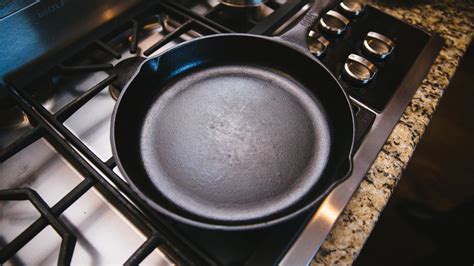
For generations, the humble cast iron skillet has been the undisputed champion of country kitchens. Its unparalleled ability to retain and distribute heat evenly makes it ideal for everything from frying crispy chicken and searing steaks to baking perfect cornbread and simmering hearty gravies. A well-seasoned cast iron skillet is more than just a piece of cookware; it’s a legacy, a culinary tool that improves with age and use. Achieving and maintaining that coveted non-stick, slick black surface requires a bit of know-how, but the rewards are well worth the effort.
The Foundation: Initial Seasoning for New or Restored Skillets
Whether you’ve just bought a brand new skillet or restored a rusty heirloom, the initial seasoning process is crucial. Most new skillets come pre-seasoned, but an extra layer or two won’t hurt. For raw or stripped iron, clean it thoroughly with hot water and a stiff brush, using a tiny bit of mild soap if necessary, then immediately dry it completely to prevent rust.
Once clean and dry, apply a very thin, even layer of high smoke point oil or shortening (like flaxseed oil, grapeseed oil, vegetable oil, or Crisco) over the entire surface – inside, outside, and handle. Wipe off any excess meticulously; the goal is a microscopic layer, not a thick coating. Place the skillet upside down in an oven preheated to 450-500°F (230-260°C) and bake for one hour. Turn off the oven and let the skillet cool completely inside. Repeat this oiling and baking process 3-5 times for a robust initial seasoning.

Building the Non-Stick Layer: Everyday Use and Maintenance Seasoning
The best way to maintain and enhance your skillet’s seasoning is through regular use. Cooking foods with fat – like bacon, sausage, fried chicken, or pan-fried potatoes – will naturally contribute to the seasoning layer. Always preheat your skillet gradually over medium-low heat before adding food, especially for country staples like cornbread or eggs, allowing the heat to distribute evenly and preventing sticking.
Avoid cooking highly acidic foods (like tomatoes or citrus) in a newly seasoned skillet, as they can strip away the seasoning. Over time, as your skillet develops a deep, dark patina, it will become more resistant to acidic ingredients. After each use, ensure you apply a very thin layer of oil before storing, especially if the pan feels dry.

The Art of Cleaning a Cast Iron Skillet
Cleaning cast iron doesn’t have to be a chore, and it definitely doesn’t involve harsh dish soap. The general rule is: hot water, a stiff brush, and elbow grease. For stuck-on food, use a plastic scraper, a stiff nylon brush, or even a chainmail scrubber. A little coarse salt with a touch of oil can also act as a gentle abrasive.
Immediately after cleaning, dry the skillet thoroughly. The best method is to place it on the stovetop over low heat for a few minutes until all moisture has evaporated. Once dry, and while it’s still warm, apply a pea-sized amount of cooking oil to the interior surface and rub it in with a paper towel until the skillet looks dry but has a subtle sheen. This thin layer protects against rust and continues to build the seasoning.
Long-Term Care and Storage for Your Country Kitchen Heirloom
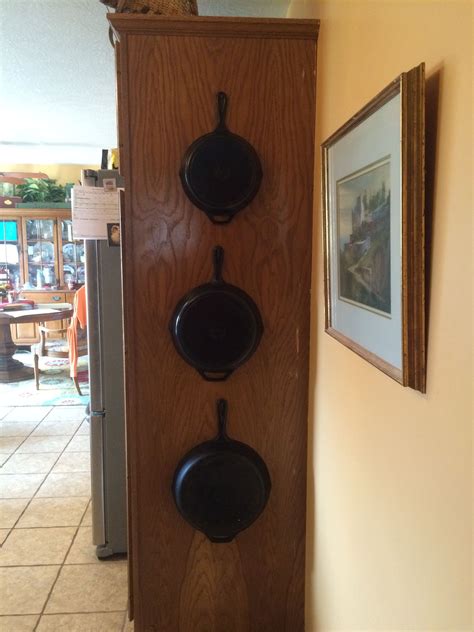
Proper storage is essential to prevent rust and maintain your skillet’s condition. Always ensure your cast iron is completely dry and lightly oiled before storing. Store it in a dry place, away from humidity. If stacking multiple skillets, place a paper towel or cloth liner between them to prevent scratching and absorb any residual moisture.
Should rust appear (a common issue if stored wet), don’t panic. Simply scrub the rusty spot with steel wool or a stiff brush until the rust is gone, then wash, dry, and re-season that area (or the whole pan) as you would for an initial seasoning. With consistent care, your cast iron skillet will not only serve you for decades of delicious country cooking but will also become a cherished family heirloom, ready to be passed down through generations.
Embrace the Legacy of Perfectly Maintained Cast Iron
Mastering the seasoning and maintenance of your cast iron skillet is a rewarding journey. It’s about more than just cooking; it’s about connecting with a culinary tradition that emphasizes durability, flavor, and simplicity. A well-loved and properly cared-for cast iron skillet is an indispensable tool in any country kitchen, promising countless meals cooked to perfection and stories shared around the table. Embrace the process, and enjoy the rich, flavorful results for years to come.