Best tips for seasoning and maintaining cast iron pans for generations?

Cast iron pans are legendary for their durability and ability to last for generations, often becoming cherished family heirlooms. With proper care, a well-seasoned cast iron pan develops a natural non-stick surface, imparts unique flavor to food, and can withstand decades of use. This guide will walk you through the essential steps to season and maintain your cast iron, ensuring it serves your family for countless meals to come.
The Timeless Appeal of Cast Iron
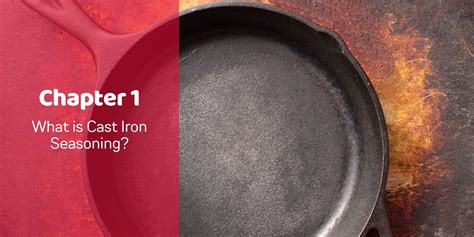
Unlike modern non-stick cookware that degrades over time, cast iron actually improves with age and use. Its heavy construction provides even heat distribution and retention, making it ideal for searing, frying, baking, and simmering. The secret to its longevity and superior cooking performance lies in its seasoning – a layer of polymerized oil baked onto the iron surface.
Initial Seasoning: Building the Foundation
Whether you’ve purchased a new pan or are restoring an old one, proper initial seasoning is crucial. Most new cast iron comes pre-seasoned, but an extra layer or two will only enhance its performance. For bare or stripped cast iron, clean it thoroughly with hot, soapy water and a stiff brush, then dry it completely on the stove to prevent rust. Once dry, apply a very thin, even layer of high smoke point oil (like flaxseed, grapeseed, or vegetable oil) to all surfaces of the pan, inside and out. Wipe off any excess oil until the pan looks almost dry – too much oil will lead to a sticky, gummy finish. Bake the pan upside down in an oven at 450-500°F (230-260°C) for one hour. Turn off the oven and let the pan cool completely inside. Repeat this process 3-5 times for a robust initial seasoning.
Daily Care: Maintaining the Non-Stick Surface
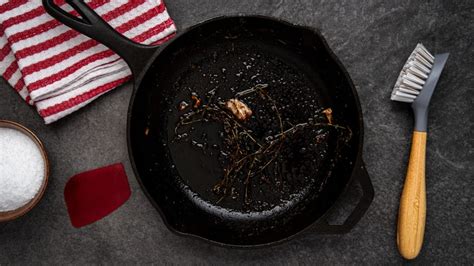
Consistent daily care is key to a long-lasting, non-stick cast iron pan. After each use, clean your pan while it’s still warm. Scrape off any stuck-on food with a metal spatula, plastic scraper, or stiff brush. For stubborn bits, you can use hot water and a small amount of mild dish soap (yes, it’s generally fine for seasoned cast iron, despite common myths, just don’t soak it!). Avoid abrasive steel wool or harsh detergents, which can strip the seasoning.
Thoroughly rinse the pan and immediately dry it completely. The best way to do this is to place it back on a burner over low heat for a few minutes until all moisture evaporates. Once dry, apply a very thin layer of cooking oil (a dab the size of a pea is usually enough) to the cooking surface with a paper towel, wiping off any excess. This light oiling prevents rust and reinforces the seasoning layer with each use.

Cooking with Cast Iron: Best Practices
How you cook significantly impacts your pan’s seasoning. Always preheat your cast iron slowly over medium heat for several minutes before adding food. This ensures even cooking and prevents food from sticking. Use enough cooking fat (oil, butter, or bacon grease) for cooking, especially when the seasoning is still developing. Avoid cooking highly acidic foods like tomatoes, wine sauces, or lemon juice in a newly seasoned pan, as acids can strip the seasoning. As the pan develops a more robust seasoning over time, it will be more tolerant of acidic ingredients, but moderation is always wise.
Troubleshooting: Restoring a Neglected Pan
Even the best-maintained pans can sometimes develop issues. If your pan feels sticky, it usually means too much oil was applied during seasoning or daily oiling, or it wasn’t heated enough to polymerize. To fix this, scrub the sticky area with hot water and salt or a mild abrasive, then re-season. If rust appears, scrub the rusted areas thoroughly with steel wool and hot water until all rust is removed. Dry immediately and perform a full re-seasoning process (multiple coats in the oven) to protect the bare metal.
Storing Your Cast Iron for Longevity
Proper storage is essential to prevent moisture buildup and rust. Always store your cast iron in a dry place. If stacking pans, place a paper towel or a thin cloth between them to absorb any residual moisture and protect the cooking surface from scratches. Avoid storing lids directly on top of pans, as this can trap moisture. Air circulation is your pan’s best friend when stored.
Common Mistakes to Avoid
- Soaking your pan: Never leave cast iron soaking in water, as this is a sure way to invite rust.
- Dishwashers: The harsh detergents and prolonged wet environment of a dishwasher will strip seasoning and cause rust.
- Air drying: Always dry your pan completely and immediately, preferably with heat, after washing.
- Too much oil: When oiling for seasoning or daily maintenance, remember less is more. Wipe until it looks dry.
- Using harsh abrasives: Avoid steel wool for daily cleaning unless you are specifically trying to strip rust or old seasoning for a full re-season.

With these practices, your cast iron pan will not only endure for generations but will also become a cherished cooking companion, developing a rich, dark patina and a naturally non-stick surface that improves with every meal you prepare.