



Best tips for seasoning & daily care of cast iron cookware?

Unlocking the Potential of Your Cast Iron Cookware
Cast iron cookware is legendary for its durability, even heating, and the unique flavor it imparts to food. However, to truly unlock its potential and enjoy decades of non-stick performance, proper seasoning and consistent daily care are paramount. This guide will walk you through the essential steps to create and maintain that coveted, naturally non-stick surface.
The Art of Seasoning Your Cast Iron
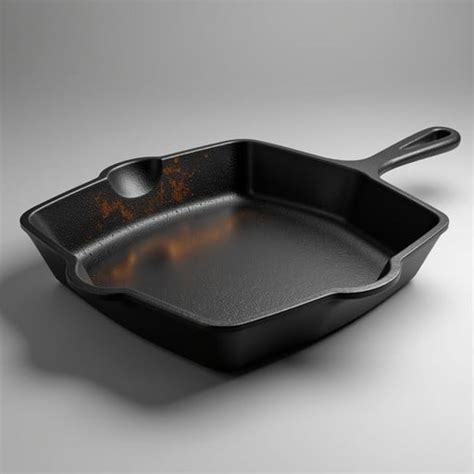
Seasoning isn’t just a layer of oil; it’s a process where oil bakes onto the iron, polymerizing into a hard, slick, and protective coating. This barrier prevents rust and creates a naturally non-stick cooking surface.
Initial Seasoning (for New or Stripped Pans)
- Clean Thoroughly: Wash the pan with warm, soapy water and a stiff brush to remove any factory wax or residue. Rinse and dry completely.
- Apply a Thin Layer of Oil: Using a paper towel, apply a very thin, even coat of high smoke point cooking oil (like grapeseed, vegetable, or flaxseed oil) over the entire pan – inside, outside, and handle. Wipe off any excess vigorously; the pan should look dry, not greasy.
- Bake It In: Preheat your oven to 450-500°F (232-260°C). Place the pan upside down on the middle rack. Place a baking sheet or foil on the bottom rack to catch any oil drips.
- Bake for One Hour: Let the pan bake for one hour. Turn off the oven and allow the pan to cool completely inside the oven. This slow cooling helps the seasoning to bond.
- Repeat Multiple Times: For best results, repeat this oiling and baking process 3-5 times. Each layer builds on the last, creating a more robust and effective seasoning.

Daily Care for Lasting Performance
Once seasoned, daily care is straightforward but crucial for maintaining your cast iron’s non-stick properties and preventing rust.
Cleaning After Each Use
- Cool Slightly: Allow the pan to cool down a bit after cooking, but clean it while it’s still warm.
- Warm Water and Stiff Brush: Use hot water and a stiff nylon brush or a pan scraper to remove food bits. Avoid harsh detergents initially; warm water and a brush are usually sufficient. For stubborn food, you can use a small amount of mild dish soap and rinse thoroughly, but always re-oil afterwards.
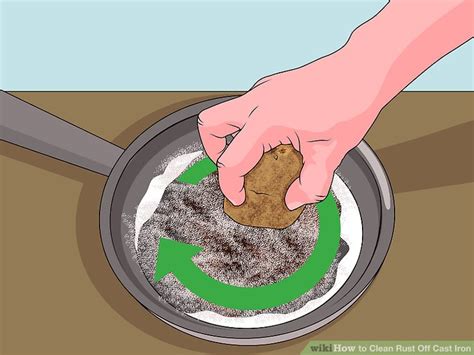
- Salt Scrub for Stubborn Bits: For really stuck-on food, sprinkle a tablespoon of coarse salt into the pan and scrub with a paper towel. The salt acts as an abrasive without damaging the seasoning. Rinse and dry.

Drying and Oiling
- Dry Immediately and Completely: This is perhaps the most critical step to prevent rust. Towel dry your pan thoroughly. For extra measure, place it on the stove over low heat for a few minutes until all moisture has evaporated.
- Apply a Thin Oil Coat: Once completely dry and slightly warm, apply another very thin layer of cooking oil (the same type you use for seasoning) to the entire cooking surface. Buff it with a paper towel until it looks dry and non-greasy.
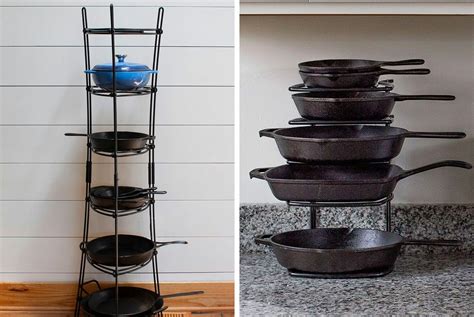
- Store Properly: Store your cast iron in a dry place. If stacking, place a paper towel between pans to allow air circulation and absorb any residual moisture.
Troubleshooting Common Cast Iron Issues
Even with the best care, you might encounter minor issues. Don’t worry, most can be easily fixed.
- Rust: If rust appears, scrub it off with steel wool or a stiff brush, then wash, dry completely, and apply a fresh coat of oil. If severe, you might need to strip and re-season the entire pan.
- Sticky Residue: This usually means too much oil was applied during seasoning or daily oiling, or it wasn’t heated enough to polymerize. Scrub off the sticky spots, clean, and reapply a very thin layer of oil, ensuring you wipe off all excess before heating.
- Uneven Seasoning: This happens. Just keep cooking, and the seasoning will naturally even out over time with regular use and proper care.
Advanced Tips for Cast Iron Enthusiasts
- Cooking Choices: Initially, avoid cooking highly acidic foods (like tomato sauces or lemon-based dishes) in newly seasoned cast iron, as they can strip the seasoning. As the seasoning builds, it becomes more resilient.
- Oils for Seasoning: While flaxseed oil is often touted for its hard, durable seasoning, many common cooking oils like vegetable, canola, or grapeseed oil work perfectly well and are less prone to flaking for beginners.
- Regular Use: The best way to maintain and improve your cast iron’s seasoning is to use it frequently! The more you cook, especially with fats, the better your seasoning becomes.
Embrace the Cast Iron Journey
Mastering the art of cast iron care is a rewarding process that transforms a simple cooking tool into a cherished heirloom. With consistent seasoning and mindful daily habits, your cast iron cookware will not only last a lifetime but will also become an indispensable, naturally non-stick workhorse in your kitchen, improving with every meal you cook.