Best tips to prevent sticking when cooking eggs or cornbread in cast iron skillets?

Unlock the Secret to Stick-Free Cast Iron Cooking
Cast iron skillets are beloved kitchen workhorses, cherished for their even heat distribution, incredible durability, and ability to impart unique flavors. However, for newcomers or those struggling with specific dishes, the fear of food sticking—especially eggs and cornbread—can be a significant deterrent. The good news is that preventing sticking is entirely achievable with the right techniques and a little understanding of your pan. Let’s dive into the best practices to ensure your eggs slide and your cornbread lifts clean.
The Foundation: A Well-Seasoned Skillet
The number one secret to non-stick cast iron is a properly seasoned surface. Seasoning isn’t just a coating; it’s a polymerized layer of oil baked onto the iron, creating a naturally slick, non-stick finish. If your pan feels rough or food frequently sticks, it likely needs more seasoning.
- Initial Seasoning: Many new cast iron pans come pre-seasoned, but an extra layer or two at home can’t hurt. Apply a very thin layer of high smoke point oil (like grapeseed, flaxseed, or canola) to the entire pan, inside and out. Wipe off any excess until it looks dry, then bake upside down in an oven at 450-500°F (232-260°C) for an hour. Let it cool completely in the oven. Repeat this process 2-3 times.
- Maintenance: After every use, clean your pan thoroughly (avoid harsh soaps if possible, or rinse quickly), dry it completely over low heat on the stove, and then apply a very thin coat of oil before storing. This continuous process builds and maintains the non-stick layer.

Heat Management is Crucial
Improper heat is a primary culprit for sticking. Cast iron heats slowly but retains heat exceptionally well. Patience is key when preheating.
- Slow and Even Preheat: Place your skillet over medium-low heat and let it preheat for 5-10 minutes. You want the entire pan to be evenly hot, not just the center. A properly preheated pan ensures food cooks evenly and releases easily.
- Temperature Check: To test if it’s hot enough (especially for cornbread), drop a tiny bit of water. If it sizzles and evaporates quickly, it’s ready. For eggs, you might want it slightly less scorching.
- Avoid Overheating: While you want a hot pan, super high heat can burn food quickly and degrade your seasoning, leading to sticking.
The Role of Fat: Your Non-Stick Ally
Even with great seasoning, a little cooking fat goes a long way, especially for sticky foods like eggs and batters.
- Choose Wisely: Butter, bacon grease, ghee, or high smoke point oils (canola, vegetable, grapeseed) are excellent choices. Each imparts a unique flavor.
- Use Enough: Don’t skimp. For eggs, a tablespoon or two of butter or oil is usually sufficient to coat the entire cooking surface. For cornbread, you’ll need enough to coat the bottom and slightly up the sides, ensuring a crispy crust.
- Melt and Coat: Add your fat to the preheated pan and allow it to melt and shimmer (but not smoke excessively) before adding your food. Swirl it around to ensure the entire cooking surface is coated.
Specific Tips for Eggs
Eggs are notoriously sticky, but with cast iron, they can be incredibly easy if you follow these steps:
- Lower Heat: After preheating your pan, you often want to reduce the heat to medium-low or even low before adding eggs. Gentle heat is best for eggs.
- Plenty of Fat: Ensure a generous amount of butter or oil is melted and shimmering, coating the entire bottom of the pan.
- Don’t Rush: Let the eggs cook undisturbed until the whites are mostly set and the edges begin to crisp. You should see them naturally release from the pan before attempting to slide or flip. If they’re sticking, they’re not ready.

Specific Tips for Cornbread
Achieving that perfect golden, crispy crust on cornbread requires a very hot, well-oiled pan.
- Very Hot Pan: Preheat your cast iron skillet in the oven while it preheats to 400-425°F (200-220°C). This ensures the pan is uniformly scorching hot.
- Melted Fat: Carefully remove the hot skillet from the oven. Add a good amount of butter, bacon grease, or oil (2-3 tablespoons or more, depending on pan size) and swirl to coat the bottom and about an inch up the sides. The fat should sizzle immediately.
- Pour Quickly: Pour your cornbread batter into the hot, greased skillet. The hot fat should immediately begin to cook the batter, forming a barrier and preventing sticking.
- Even Spreading: Gently spread the batter evenly, but don’t stir it too much once it hits the hot fat.

Aftercare and Ongoing Maintenance
The way you care for your cast iron directly impacts its non-stick performance.
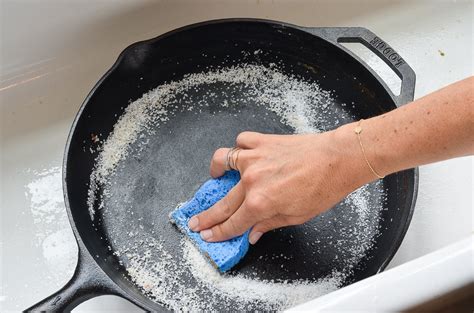
- Clean Promptly: Clean your pan while it’s still warm (but not scalding hot) to make removal of food residue easier. Use hot water and a stiff brush or scraper. Avoid harsh detergents if you can, or use them sparingly and rinse quickly.
- Dry Thoroughly: This is critical to prevent rust and maintain seasoning. Dry the pan immediately with a towel, then place it over low heat on the stovetop for a few minutes until all moisture has evaporated.
- Light Oiling: Once dry, apply a very thin layer of cooking oil to the entire cooking surface with a paper towel. Wipe off any excess until it looks dry to the touch. This adds to your seasoning.
Conclusion
Cooking eggs and cornbread in cast iron doesn’t have to be a sticky ordeal. By focusing on a properly seasoned pan, understanding heat management, using adequate fat, and practicing good aftercare, you’ll soon be enjoying perfectly released, beautifully cooked results every time. Embrace the process, and your cast iron skillet will reward you with years of non-stick cooking joy.