


Best traditional recipes for preserving summer garden bounty for winter?
As summer’s vibrant produce peaks, gardeners often find themselves with an abundance of fresh fruits, vegetables, and herbs. While savoring them fresh is a delight, extending their deliciousness into the colder months requires a dive into the time-honored traditions of food preservation. These methods not only reduce waste but also provide wholesome, homemade ingredients for winter meals. Let’s explore some of the best traditional recipes to keep your garden’s bounty flourishing all year long.
The Art of Canning: Jams, Pickles, and Sauces
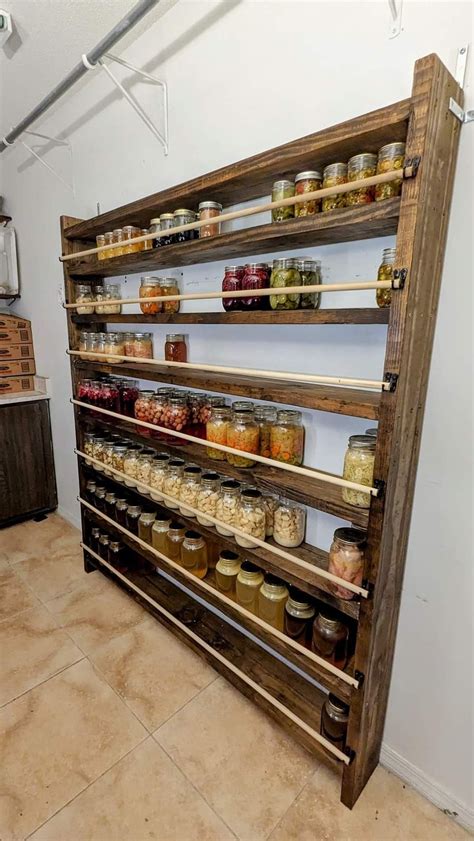
Canning is perhaps the most widely recognized method for long-term food storage, transforming perishable produce into shelf-stable jars of goodness. From sweet to savory, the possibilities are endless.
Sweet Delights: Jams, Jellies, and Fruit Butters
Capture the essence of summer fruits with homemade jams, jellies, and fruit butters. Strawberry jam, peach preserves, and apple butter are classic choices that bring sunshine to toast and desserts. Recipes typically involve cooking fruit with sugar and sometimes pectin, then sealing in sterilized jars.
Tangy Treats: Pickles and Relishes
Pickling is a fantastic way to preserve vegetables like cucumbers, green beans, dilly carrots, and even okra. Using vinegar, salt, and spices, you can create crispy pickles or zesty relishes that add a burst of flavor to sandwiches, salads, and main courses. A classic dill pickle recipe is a must-have for any preserver.
Hearty Staples: Tomato Sauces and Salsas
Tomato season yields an incredible bounty, perfect for creating rich pasta sauces, chunky salsas, and even basic crushed tomatoes. These can be water-bath canned or pressure canned, depending on their acidity, providing a versatile base for countless winter dishes.

Freezing for Freshness: A Quick Solution
For many vegetables and fruits, freezing is the simplest and fastest preservation method, locking in nutrients and flavors with minimal effort. While not ‘traditional’ in the sense of ancient methods, it has become a staple in modern home preservation.
Blanching Vegetables for Freezing
Most vegetables, such as green beans, broccoli, corn, and peas, benefit from blanching before freezing. This quick dip in boiling water followed by an ice bath stops enzyme action, preserving color, texture, and nutrients. Once blanched and cooled, they can be spread on trays to freeze individually before bagging.
Freezing Fruits for Smoothies and Desserts
Berries, sliced peaches, and cherries freeze beautifully. Simply wash, dry, and spread them on a baking sheet to freeze solid, then transfer to freezer bags. They’re perfect for smoothies, pies, crumbles, and sauces all winter long.
![Frozen (2013) [4K] - Animation Screencaps.com](/images/aHR0cHM6Ly90czIubW0uYmluZy5uZXQvdGg/aWQ9T0lQLnBBWHNxNXpSMGpwX1JxOTAxOVBaQWdIYURIJnBpZD0xNS4x.webp)
Dehydrating: Concentrated Flavors and Extended Shelf Life
Drying removes moisture, concentrating flavors and significantly extending shelf life. It’s a method as old as humanity itself, now often made easier with modern dehydrators or simply sun and air.
Dried Herbs and Fruit Leathers
Herbs like basil, oregano, and thyme can be easily dried and stored for seasoning. Fruits like apples, bananas, and berries can be sliced thin or pureed into fruit leathers, making healthy, portable snacks. Sun-dried tomatoes, bursting with umami, are another excellent candidate for drying, either in a dehydrator or under the sun with proper care.

Fermentation Fun: Probiotic-Rich Preserves
Fermentation is an ancient technique that not only preserves food but also enhances its nutritional value by creating beneficial probiotics. It’s a living food, full of tangy flavor.
Sauerkraut and Kimchi
Cabbage is ideal for fermentation. Sauerkraut (fermented cabbage with salt) and kimchi (spicy Korean fermented vegetables) are fantastic ways to preserve this versatile vegetable. They are packed with flavor and gut-healthy bacteria, perfect as a side dish or ingredient.
Fermented Pickles and Other Vegetables
Beyond cabbage, many other vegetables can be fermented, including cucumbers (for true lacto-fermented pickles), carrots, and green beans. The process usually involves salt brine and time, allowing beneficial bacteria to do their work.
![Kimchi-Style Sauerkraut Recipe [A SPICY DEPTH OF FLAVOR!] - MakeSauerkraut](/images/aHR0cHM6Ly90czQubW0uYmluZy5uZXQvdGg/aWQ9T0lQLko5UmVVMk5vNGdwd21qLUlxV0hyMUFIYUxIJnBpZD0xNS4x.webp)
Salt Curing and Root Cellaring: Age-Old Wisdom
While less common in modern homes, these truly traditional methods offer unique ways to preserve specific crops.
Salt-Cured Beans and Peppers
For millennia, salt has been used to preserve food by drawing out moisture and inhibiting bacterial growth. Green beans, for example, can be dry-salted in crocks. Certain peppers can also be preserved in salt. These methods require careful preparation and storage.
Root Cellaring for Sturdy Vegetables
If you have access to a cool, dark, and humid space (like a traditional root cellar or even a cool basement corner), root vegetables such as potatoes, carrots, beets, and winter squash can be stored for months. Proper ventilation and humidity control are key to preventing spoilage.

Tips for Successful Preserving
- Follow Recipes Precisely: Especially for canning, accurate measurements and processing times are crucial for safety.
- Sterilize Everything: Cleanliness is paramount to prevent spoilage and ensure safety.
- Use Fresh, High-Quality Produce: The better your starting ingredients, the better your preserved results will be.
- Invest in Good Equipment: A quality canner, jars, lids, and other tools will make the process smoother and safer.
- Label and Date: Always label your preserves with the contents and date of preservation for easy identification and rotation.
Embracing traditional preservation methods allows you to enjoy the taste of summer throughout the year, reduces food waste, and provides a deeply satisfying connection to your food. Whether you’re making tangy pickles, sweet jams, or hearty tomato sauces, these recipes ensure your garden’s bounty nourishes you long after the growing season has ended. Happy preserving!