
Best way to adjust recipes using fresh garden herbs instead of dried?
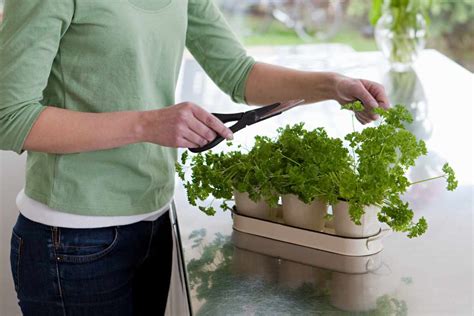
There’s nothing quite like the vibrant aroma and flavor that fresh herbs bring to a dish. If you’re lucky enough to have a thriving herb garden, you’ll want to incorporate its bounty into your cooking. However, most recipes are written for dried herbs, leaving many home cooks wondering how to make the switch. Adjusting recipes from dried to fresh herbs isn’t just about a simple substitution; it’s about understanding the nuances of flavor, potency, and timing to unlock the full potential of your garden’s goodness.
The Golden Rule: Understanding the Ratio
The most common guideline for converting dried herbs to fresh is the 1:3 ratio. This means for every one teaspoon of dried herbs a recipe calls for, you should use three teaspoons (or one tablespoon) of fresh herbs. Dried herbs are significantly more concentrated because their water content has been removed, intensifying their flavor. Conversely, fresh herbs have higher water content and a more subtle, often brighter, flavor profile that benefits from a larger quantity.
Considering Herb Potency and Type
While the 1:3 ratio is a great starting point, it’s not a hard-and-fast rule for every single herb. Some fresh herbs are naturally more potent than others, even in their fresh state.
- Woody, Potent Herbs: Herbs like rosemary, thyme, sage, and oregano tend to retain much of their strength when dried. While the 1:3 ratio generally holds, you might lean closer to 1:2 or 1:2.5 if you prefer a less intense herbal note. These herbs can also be added earlier in the cooking process.
- Delicate, Leafy Herbs: Herbs such as parsley, cilantro, basil, mint, and chives have a higher water content and a more fleeting flavor. You might find yourself using a bit more than the 1:3 ratio, perhaps 1:4, to truly make their presence felt, especially if they are added early. Their flavors are best preserved when added towards the end of cooking.
Timing is Everything for Fresh Herbs
One of the biggest differences between cooking with dried and fresh herbs is when you add them to your dish. Dried herbs need time to rehydrate and release their flavors, so they are often added earlier in the cooking process.
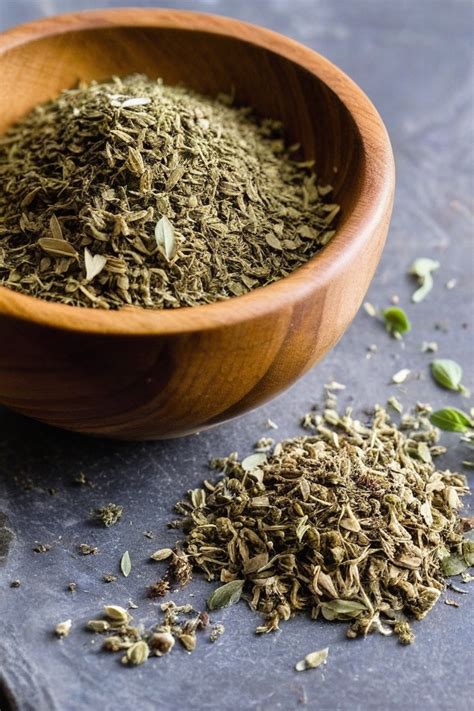
Fresh herbs, on the other hand, can lose their delicate flavor and vibrant color if cooked for too long. For optimal taste and aroma:
- Woody Herbs (Rosemary, Thyme, Sage): These can withstand longer cooking times. Add them during the last 15-20 minutes of simmering, roasting, or braising.
- Delicate Herbs (Parsley, Basil, Cilantro, Mint, Chives): Add these towards the very end of cooking, usually just before serving or even as a garnish. This preserves their bright flavor, color, and volatile oils.
Preparation Matters: Washing and Chopping
Before you add your freshly picked herbs to any dish, proper preparation is key. Gently rinse your herbs under cool water to remove any dirt or insects. Pat them thoroughly dry with a clean towel or use a salad spinner. Excess moisture can dilute flavors or cause oil to splatter if you’re sautéing.
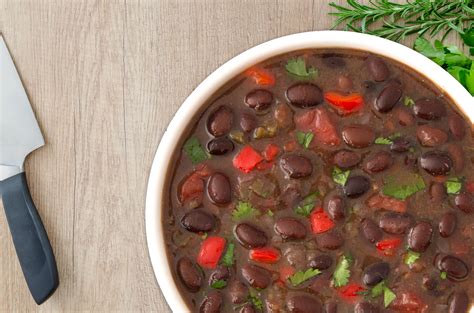
For most recipes, finely chopping your fresh herbs will help distribute their flavor evenly throughout the dish. For delicate herbs used as a garnish, a rough chop or whole leaves might be preferred for visual appeal.
Taste and Adjust: The Ultimate Chef’s Tool
No matter the ratios or guidelines, your palate is your best tool. Always taste your dish as you go. When converting to fresh herbs, start with the recommended 1:3 ratio (or slightly less for very potent fresh herbs) and then add more, a little at a time, until you reach your desired flavor intensity. Remember, you can always add more, but you can’t take it away!

Don’t be afraid to experiment with combinations of fresh herbs. A little basil and oregano for an Italian dish, or cilantro and mint for a refreshing salsa, can elevate your cooking to new heights. Enjoy the journey of bringing the freshness of your garden directly to your plate!