
Best way to preserve fresh garden herbs for winter cooking?
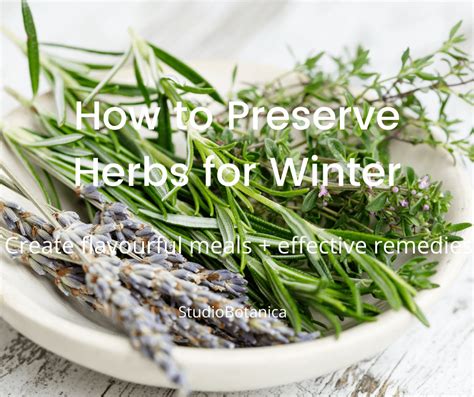
As summer fades and autumn leaves begin to fall, the vibrant flavors of your garden herbs can seem like a distant memory. But what if you could capture that fresh essence and infuse it into your winter cooking? Preserving herbs isn’t just about extending their shelf life; it’s about extending the joy of your garden’s bounty through the colder months. With a few simple techniques, you can enjoy basil in January, cilantro in February, and rosemary all year long.
Freezing: The Quickest Way to Preserve Freshness
Freezing is perhaps the easiest and most effective method for many soft-leaf herbs like basil, cilantro, parsley, chives, and mint. It locks in their fresh flavor and vibrant color, making them almost indistinguishable from freshly picked herbs once thawed and added to a dish.
Method 1: Ice Cube Trays with Oil or Water
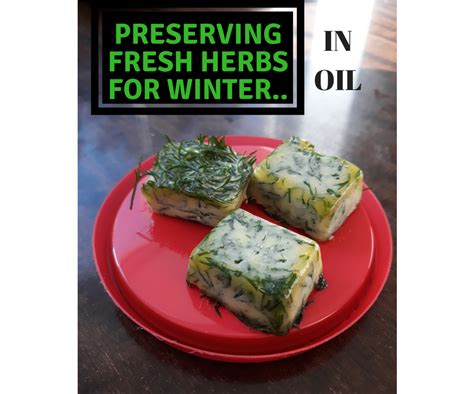
Chop your clean, dry herbs finely. Pack them into ice cube trays, then cover with a neutral-flavored olive oil, melted butter, or even water. Freeze until solid, then pop out the herb cubes and store them in freezer-safe bags. When you need them, simply drop a cube into soups, stews, sauces, or sautéed vegetables. The oil method is particularly excellent for herbs intended for cooking, as the fat helps carry the flavor.
Method 2: Chopped and Bagged
For herbs you might use in larger quantities, like parsley or cilantro, simply chop them finely and place them directly into freezer-safe bags. Press out as much air as possible, flatten the bag, and freeze. When needed, you can break off a portion or use a spoon to scoop out the desired amount. This works well for herbs that don’t suffer too much textural change from freezing.
Drying: Concentrating Flavors for Long-Term Storage
Drying is a classic preservation method that concentrates the flavors of hardy herbs like rosemary, thyme, oregano, sage, and bay leaves. While the texture changes significantly, the intensified flavor is perfect for slow-cooked dishes, roasts, and marinades.
Air Drying
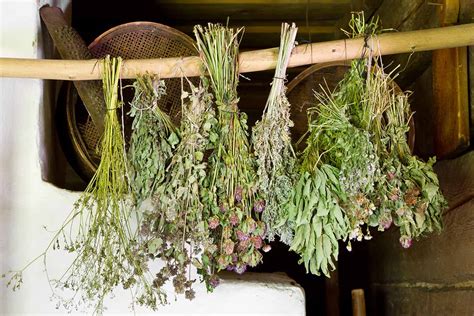
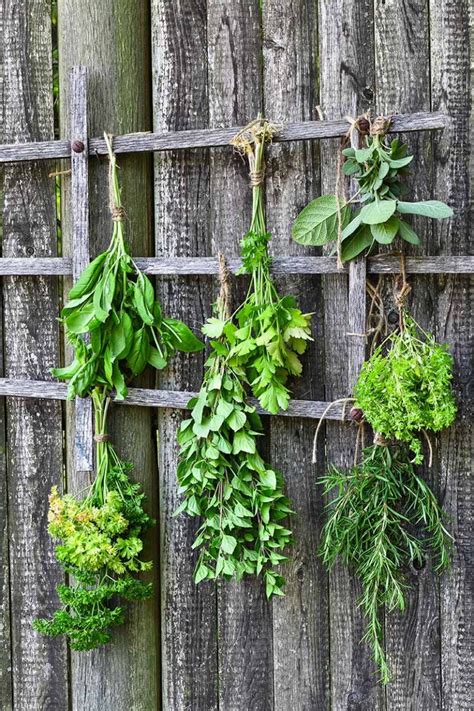
Bundle small bunches of clean herbs together, tie them with twine, and hang them upside down in a warm, dry, well-ventilated area away from direct sunlight. This can take anywhere from one to three weeks. Once completely brittle, remove the leaves from the stems and store them in airtight containers away from light and heat.
Dehydrator or Oven Drying
For a faster method, a food dehydrator is ideal. Spread herbs in a single layer on trays and follow the dehydrator’s instructions. Alternatively, you can use a very low oven setting (around 100-150°F or 40-65°C) with the oven door slightly ajar to allow moisture to escape. Monitor closely to prevent burning.
Preserving in Oil or Vinegar: Flavorful Infusions
Infusing herbs in oil or vinegar creates aromatic ingredients for dressings, marinades, and cooking. However, it’s crucial to understand the risks, especially with oils.
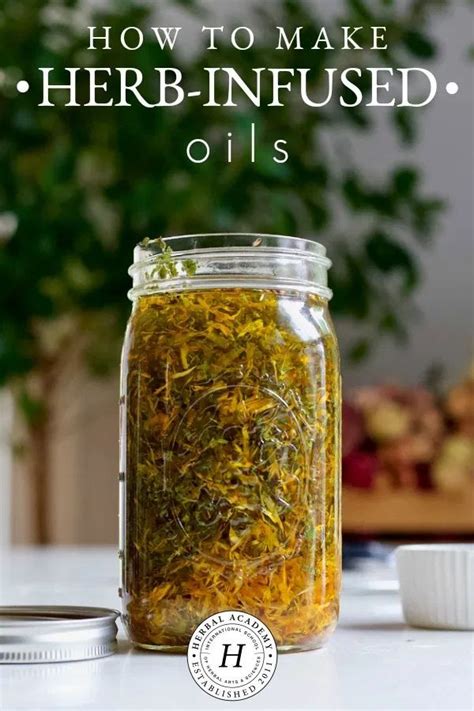
Herb-Infused Oils
While making your own herb-infused oils can be delicious, fresh herbs stored in oil at room temperature create an anaerobic environment where botulism bacteria can thrive. To safely make and store herb-infused oils, you must either acidify the herbs first (e.g., blanching in vinegar), use dried herbs, or always store the infused oil in the refrigerator and use it within a week or two. For longer-term storage, freezing herb pestos (like basil pesto without cheese) is a safer option.
Herb-Infused Vinegars
Infusing vinegar is much safer. Simply add clean, fresh (or dried) herbs like tarragon, rosemary, or thyme to a bottle of good quality vinegar (white wine, red wine, or apple cider). Let it steep for a few weeks in a cool, dark place, then strain out the herbs and enjoy your custom-flavored vinegar for salads and cooking.
Compound Butters and Salt Curing: Creative Approaches
Making Compound Butters
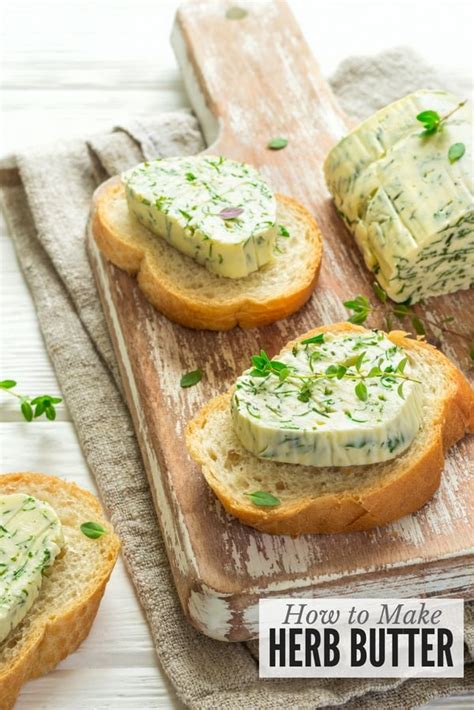
Blend finely chopped herbs (parsley, chives, thyme, rosemary) with softened unsalted butter. Roll the mixture into a log using parchment paper or plastic wrap, then freeze. Slice off medallions as needed to melt over steaks, vegetables, or spread on warm bread. This is a delightful way to preserve the flavor and have it ready for rich dishes.
Salt Curing
While less common, some herbs, particularly rosemary and thyme, can be preserved in salt. Layer fresh, clean herbs with coarse salt in an airtight jar. The salt draws out moisture and preserves the herbs, though they will become salty themselves and need to be used accordingly in cooking.
Tips for Optimal Herb Preservation
- Harvesting: Pick herbs in the morning after the dew has dried, but before the sun gets too hot. Choose healthy, vibrant leaves.
- Cleaning: Gently rinse herbs under cool water if needed, then pat them thoroughly dry. Excess moisture is the enemy of preservation.
- Labeling: Always label your preserved herbs with the type of herb and the date of preservation.
- Storage: Store dried herbs in airtight containers in a cool, dark place. Frozen herbs should be kept in airtight freezer-safe bags or containers to prevent freezer burn.
Don’t let your bountiful garden herbs go to waste as winter approaches. By employing these preservation techniques, you can extend the season of fresh flavors, adding a touch of summer sunshine to your winter meals. Experiment with different methods to find what works best for your favorite herbs and culinary needs, ensuring your kitchen is never without their aromatic presence.