
Best way to preserve garden herbs for winter freshness?

As summer gardens flourish, the bounty of fresh herbs can seem endless. But what happens when the chill of winter arrives, threatening to diminish those vibrant flavors? Preserving your garden herbs ensures you can enjoy their freshness, aroma, and taste throughout the colder months, transforming simple dishes into culinary delights.
Freezing Herbs: The Freshness Keeper
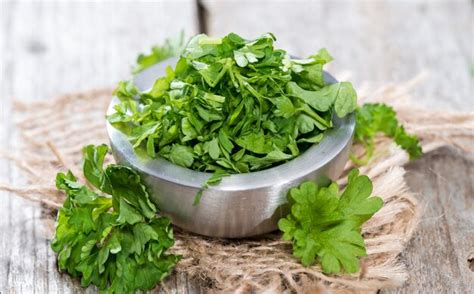
Freezing is arguably the best method for preserving the closest thing to fresh herbs, especially for soft-leaf varieties like basil, parsley, cilantro, and chives. It locks in their vibrant color and essential oils.
There are a few effective ways to freeze herbs. For individual leaves or sprigs, simply wash, pat dry thoroughly, and lay them in a single layer on a baking sheet to flash freeze. Once frozen solid, transfer them to freezer-safe bags or containers. This prevents them from clumping together.
Another popular method, particularly for chopped herbs, is to freeze them in ice cube trays with a little water or olive oil. Fill each compartment about two-thirds full with chopped herbs, cover with water or oil, and freeze. Once solid, pop out the cubes and store them in freezer bags. These herb cubes are perfect for dropping directly into soups, stews, sauces, or sautéed dishes.

Drying Herbs: The Traditional Method
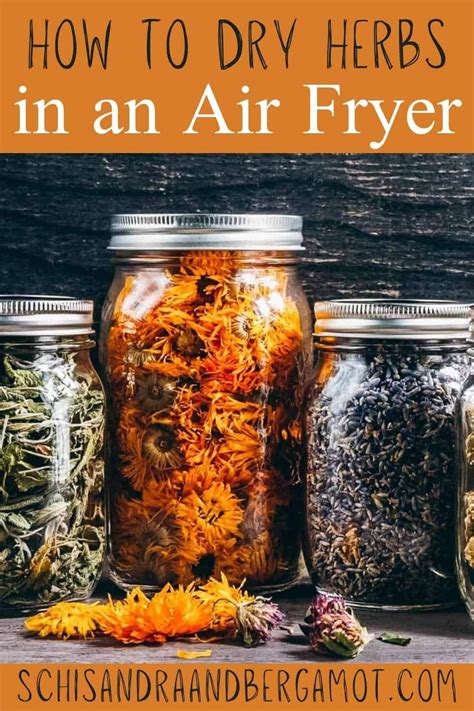
Drying is a time-honored technique, particularly excellent for hardy herbs like rosemary, thyme, oregano, and marjoram. While some flavor is lost, the concentrated taste can be wonderful for cooking.
Air drying is the simplest method. Bundle small bunches of herbs, tie them at the stems, and hang them upside down in a warm, dry, well-ventilated area away from direct sunlight. This could be a pantry, attic, or even a corner of your kitchen. They are ready when they crumble easily, typically within 1-3 weeks.
For quicker drying, a food dehydrator offers a controlled environment, ensuring even drying and preventing mold. Alternatively, a low oven can be used (around 100-150°F or 40-65°C) with the door slightly ajar to allow moisture to escape. Spread herbs in a single layer on baking sheets and check frequently, turning them occasionally, until crisp.
Preserving in Oil or Vinegar: Flavor Infusion
Infusing oils and vinegars with herbs not only preserves their essence but also creates incredibly flavorful ingredients for dressings, marinades, and cooking.
To make herb-infused oil, gently bruise cleaned, dried herbs (like rosemary, thyme, or oregano) and submerge them in high-quality olive oil or another neutral oil in a sterilized jar. Store in the refrigerator and use within a few weeks to prevent potential botulism risk, as fresh herbs in oil can create an anaerobic environment. For longer storage, consider making larger batches of dried herb infused oils which are shelf-stable.
Herb vinegars follow a similar process. Simply combine clean, dry herbs (such as tarragon, basil, or chives) with white wine vinegar or apple cider vinegar in a sterilized jar. Store in a cool, dark place for 2-4 weeks, shaking occasionally. Strain out the herbs before bottling for a beautiful, flavorful vinegar.
Herb Butters and Salts: Creative Storage
Beyond the traditional, consider more gourmet ways to preserve your herbs, turning them into versatile kitchen staples.
Compounding herb butter is a fantastic way to capture fresh flavors. Finely chop your favorite herbs (parsley, chives, dill, thyme work well), mix them into softened unsalted butter, and roll the mixture into logs using parchment paper or plastic wrap. Freeze these logs, and simply slice off a medallion to melt over vegetables, grilled meats, or slather on warm bread.
Herb salts are another excellent option, combining the preservative qualities of salt with the aroma of herbs. Finely chop herbs like rosemary, sage, or lemon zest, and mix them thoroughly with coarse sea salt. Spread the mixture on a baking sheet and allow it to air dry for a few days, or use a very low oven. Store in airtight containers for a fragrant seasoning blend.

Tips for Success and Storage
Regardless of the method you choose, a few general tips will enhance your herb preservation efforts:
- Harvesting: Pick herbs in the morning after the dew has dried but before the sun gets too hot, as their essential oils are most concentrated.
- Cleanliness: Always wash herbs gently and pat them thoroughly dry before preserving. Excess moisture is the enemy of preservation.
- Labeling: Clearly label all preserved herbs with the herb name and date of preservation.
- Storage: Store dried herbs in airtight containers in a cool, dark place to maintain potency. Frozen herbs should be kept in freezer-safe bags or containers to prevent freezer burn.
Conclusion
Don’t let your garden’s summer bounty fade with the seasons. By employing these simple yet effective preservation techniques, you can enjoy the vibrant flavors and aromas of your favorite garden herbs long into the winter months, adding a touch of summer freshness to every dish.