Best way to preserve garden tomatoes for wholesome winter meals?

Capturing Summer’s Bounty: Preserving Garden Tomatoes
There’s nothing quite like the taste of a sun-ripened tomato straight from the garden. But as the growing season winds down, many home gardeners face the delightful dilemma of an abundance of fresh tomatoes. Don’t let that precious flavor go to waste! Preserving your garden tomatoes is a rewarding way to capture their peak freshness, allowing you to enjoy their wholesome goodness in comforting winter meals.
Beyond the simple joy of eating your own produce, preserving tomatoes offers significant benefits. It reduces food waste, saves money on groceries, and provides healthy, additive-free ingredients for your cooking throughout the colder months. Let’s explore the best methods to keep your tomato harvest fresh for when you need it most.
Key Preservation Methods for Garden Tomatoes
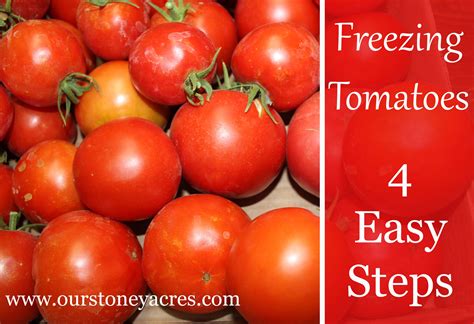
Freezing Tomatoes: The Easiest Method
Freezing is arguably the simplest and least time-consuming way to preserve tomatoes, requiring minimal equipment. It’s perfect for both small and large batches and versatile for various culinary uses.
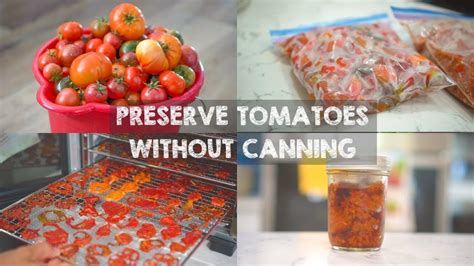
- Whole or Halved: Wash and core tomatoes. For whole tomatoes, you can simply place them on a baking sheet to freeze solid, then transfer to freezer bags. For halves, cut them, then freeze on a tray before bagging. The skins will slip off easily once thawed.
- Chopped or Diced: Blanch, peel, and chop your tomatoes. Pack them into freezer-safe containers or bags, leaving headspace.
- Puréed or Sauced: Cook down your tomatoes into a purée or a basic sauce. Allow it to cool completely before freezing in airtight containers, freezer bags, or even ice cube trays for smaller portions.
Frozen tomatoes are ideal for making sauces, soups, stews, and chilis. They retain much of their fresh flavor, making them a fantastic base for winter dishes.
Canning Tomatoes: For Shelf-Stable Goodness
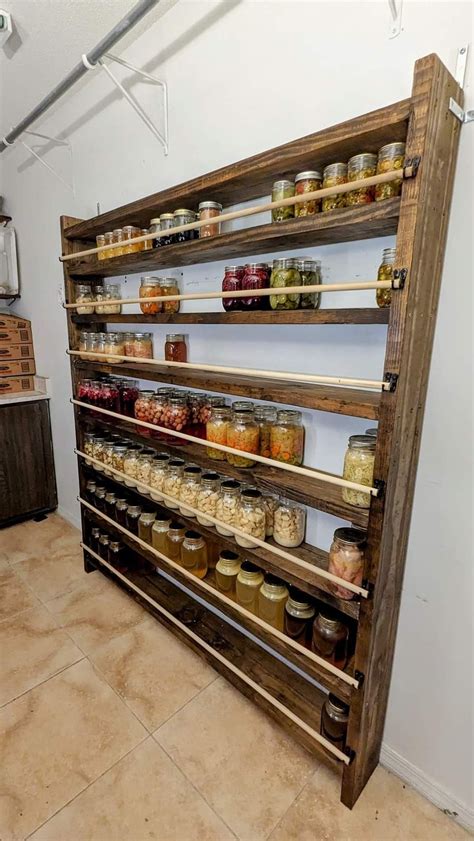
Canning offers a shelf-stable solution, meaning your preserved tomatoes won’t require freezer space. While it demands a bit more effort and specialized equipment (a water bath canner for most tomato products), the result is a pantry full of ready-to-use ingredients.
- Whole Peeled Tomatoes: A classic choice. You’ll need to blanch, peel, and core the tomatoes, then pack them into jars, adding a bit of lemon juice or citric acid for safety, and process in a water bath canner.
- Crushed or Diced Tomatoes: Similar to whole, but the tomatoes are crushed or diced before packing and processing. Great for quick sauces or additions to recipes.
- Tomato Sauce or Purée: Cook tomatoes down to your desired consistency. For plain sauce, add lemon juice/citric acid. For seasoned sauces, ensure you follow tested recipes for safe canning.
Always use fresh, high-quality tomatoes and follow tested, up-to-date canning recipes from reliable sources like the USDA or university extension offices to ensure safety.
Drying Tomatoes: Concentrated Flavor
Drying tomatoes concentrates their flavor, resulting in intensely sweet and savory morsels perfect for adding a punch to salads, pastas, and baked goods. This can be done in a dehydrator, a low oven, or, in very hot climates, with direct sunlight.
- Preparation: Wash and slice tomatoes (often Roma or paste varieties work best due to lower water content) into ¼-inch thick pieces or halves.
- Dehydration Process: Arrange slices on dehydrator trays or baking sheets. Dry until pliable but no longer moist (like raisins). This can take 6-12 hours in a dehydrator or longer in an oven.
- Storage: Once completely cooled, store dried tomatoes in airtight containers in a cool, dark place. For longer storage, they can be packed in olive oil in the refrigerator (ensure they are fully submerged).

Tips for Successful Tomato Preservation
- Choose Ripe, Healthy Tomatoes: Select firm, blemish-free tomatoes at their peak ripeness for the best flavor and safety.
- Cleanliness is Key: Always start with clean hands, utensils, and work surfaces. Sterilize jars and lids thoroughly for canning.
- Process Quickly: Preserve tomatoes as soon as possible after harvesting for optimal quality.
- Label and Date: Clearly label all preserved goods with the contents and the date of preservation.
- Follow Recipes Precisely: Especially for canning, deviations can affect food safety.

Enjoying Your Preserved Tomatoes in Winter Meals
Once preserved, your garden tomatoes become versatile ingredients for countless winter dishes:
- Sauces: Transform frozen purée or canned crushed tomatoes into rich pasta sauces, pizza bases, or the foundation for lasagna.
- Soups and Stews: Add a burst of garden flavor to hearty vegetable soups, minestrone, or chili.
- Roasted Dishes: Thawed whole tomatoes can be roasted with herbs and garlic for a simple side or topping.
- Baked Goods: Incorporate sun-dried tomatoes into savory breads, focaccia, or quiches.
- Salads: Rehydrate dried tomatoes for a chewy, flavorful addition to winter salads.

Conclusion
Preserving your garden tomatoes is a wonderful way to extend the flavors of summer and ensure a supply of wholesome, delicious ingredients for your winter cooking. Whether you opt for the simplicity of freezing, the shelf-stability of canning, or the intense flavor of drying, each method offers unique benefits. Embrace the art of preservation this season, and savor the taste of your hard work all year long!